Luang Phor Phat (Lp Phat) Wat Phatthanaram
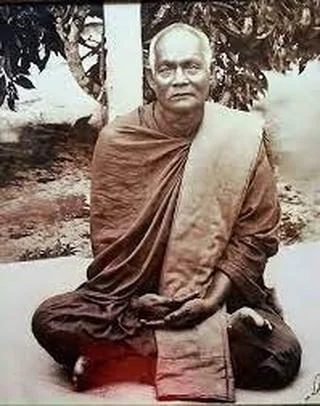
Luang Phor Phat (Naratho) — Wat Phatthanaram, Surat Thani Renowned Surat Thani monk revered for meditation, sacred science, and community service Born into the Phatthanaphong family on Wednesday, 6 June BE 2405 at Ban Don Market (Mueang District, Surat Thani), Luang Phor Phat would become one of the province’s most respected monastics. As a boy ... Read more ↓
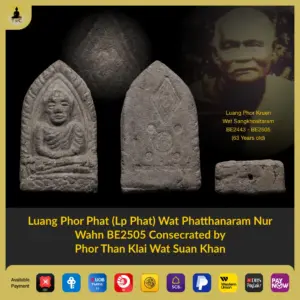
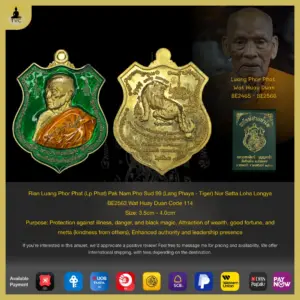
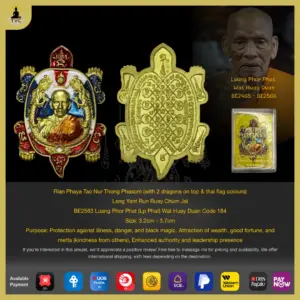
Amulets by Luang Phor Phat (Lp Phat) Wat Phatthanaram 4 total · 3 available
![[SOLD] Phra Pidta Roon Podni (Relief Debt) Nur Phong BE2534 Luang Phor Phat (Lp Phat) Wat Ko Kaew Arun Kham, Nong Mu Wat Ko Kaew Arun Kham, Nong Mu (same Phra Pidta mould from Lp Toh Wat Pradoochimplee)](https://tac-media.sgp1.cdn.digitaloceanspaces.com/2026/03/phra-pidta-roon-podni-relief-debt-nur-phong-be2534-luang-phor-phat-wat-ko-kaew-arun-kham-nong-mu.webp)
Biography
Luang Phor Phat (Naratho) — Wat Phatthanaram, Surat Thani
Renowned Surat Thani monk revered for meditation, sacred science, and community service
Born into the Phatthanaphong family on Wednesday, 6 June BE 2405 at Ban Don Market (Mueang District, Surat Thani),
Luang Phor Phat would become one of the province’s most respected monastics. As a boy he studied with
Phra Ajahn Phong of Wat Phra Yok, absorbing scripture and the foundational disciplines suited to his age. In youth he married
Nang Lamom; she bore a daughter but passed away soon after childbirth. The loss redirected his life toward the robe.
At age 25 (BE 2432) he took full ordination at the ubosot of Wat Phra Yok. His preceptor was
Phra Khru Suwanrangsi (Mee)—abbot of Kanchanadit and Wat Pho, Ban Talat Bon—while Luang Phor Klom of Wat Pho served as
ordination and sermon preceptor, and Luang Phor Kham of Wat Bang Bai Mai also acted as preceptor and chant teacher.
He received the monastic title Naratho. Remaining at Wat Phra Yok for several years, he found peaceful rhythm in the robe,
serving as a Sangha lead who supervised monastic conduct and helped coordinate religious life for the community.
His public service extended beyond temple walls. Around BE 2440 he helped establish the first school in Kanchanadit,
and later served as preceptor and abbot in the Ban Don (Mueang Chaiya) area for four to five years. Disinclined toward rank,
he eventually resigned both posts to undertake pilgrimage and secluded practice.
Along the way he deepened his training in meditation and sacred science with a circle of mentors that included his preceptor
Phra Khru Suwanrangsi, Luang Phor Klom, and Luang Phor Kham. Most transformative was a period with the wandering monk
Phra Ajahn Suk of Wat Khao Hua Lamphu (Khao Phra Bat, Hua Sai, Nakhon Si Thammarat), from whom he learned
Vipassana, higher absorptions, and ritual arts: inscribing yantra on silver and gold sheets, making takrud, and empowering
yantra cloths. These practices, grounded in meditation rather than display, shaped his quiet reputation for efficacy.
Over the decades he created sacred objects to support faith and fund temple works: Kasin Buddha amulets molded from
baked clay with sacred powders and herbs, and Kasin coins that remain popular among devotees. His aim was consistent—
to channel offerings back into monastic education, structures, and the spiritual welfare of the laity.
In his final period he entrusted administration to his younger brother, Luang Phor Chiew Siri Suwanno, and withdrew into
seclusion at the cemetery pavilion of Wat Phatthanaram. There he dedicated his days to stillness and Dhamma contemplation.
On 11 July BE 2485 he entered deep meditation from early evening and, at approximately 8:43 a.m., passed away seated in
meditative posture. In the years that followed—six to seven years after his passing—his body was reported not to have decayed,
a sign that deepened the devotion of disciples and cemented his legacy in Surat Thani’s Buddhist memory.
Explore more from Thai Amulets Collection: browse all amulets, monk biographies, or discover katha sacred chants.
For broader context on Thai Buddhist traditions, see Thai amulets on Wikipedia.