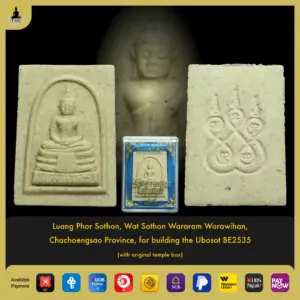
 Luang Phor Sothon, Wat Sothon Wararam Worawihan, Chachoengsao Province, for building the Ubosot BE2535 (with original temple box)
S$10
S$18save S$8 (44%)
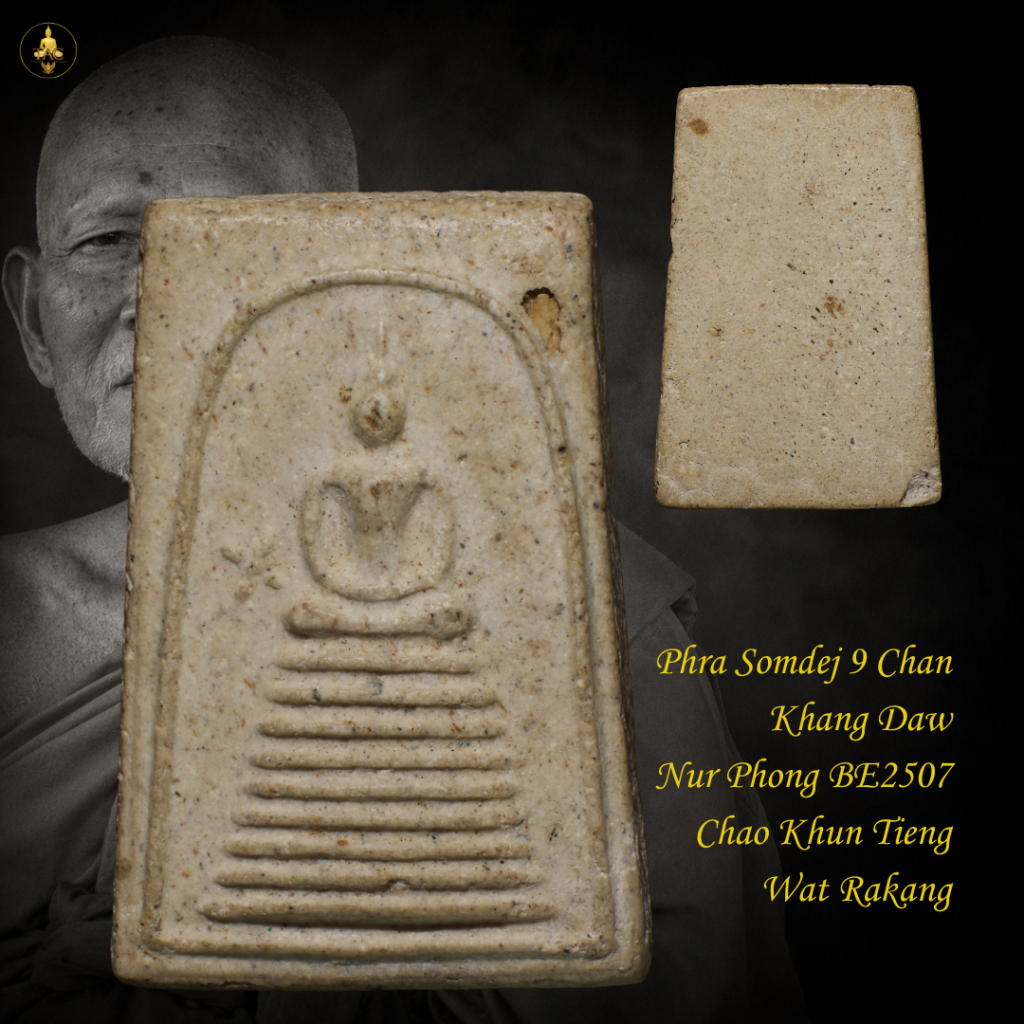
| Type | Phra Somdej 9 Chan Khang Daw |
| Monk | Chao Khun Tieng (CK Tieng) (Phra Thammathirat Ratchamuni) Wat Rakang Kositaram |
| Temple | Wat Rakang |
| B.E. Year | 2507 |
| Material | Nur Phong |
| Condition | Good |
| SKU | TAC-PhraSomdej9ChanKhangDaw-ChaoKhunTieng-001 |
Luang Phor Sothon, Wat Sothon Wararam Worawihan, Chachoengsao Province, for building the Ubosot BE2535 (with original temple box)
 Phra Luang Pu Thuad (Lp Thuad) Nur Wahn BE2550 Wat Kongkha Liap (Tha Sak), Nakhon Si Thammarat (425 Years Anniversary, 9 Days & 9 Grand Ceremonies)
 Phra Pang Umbat (Wednesday Buddha) BE2512 Luang Phor Tae (Lp Tae) Khongthong Wat Sam Ngam
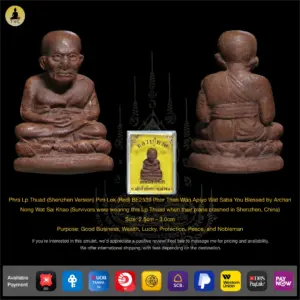 Phra Lp Thuad 龙婆托 (Shenzhen Version) Pim Lek (RED) BE2539 Phor Than Wan Apiyo Wat Saba You Blessed by Archan Nong Wat Sai Khao
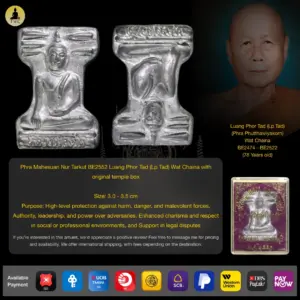 Phra Mahesuan Nur Tarkut BE2552 Luang Phor Tad (Lp Tad) Wat Chaina with original temple box
Each adds this amulet plus the offer at the bundle price — ready at checkout, or mention it when you enquire on WhatsApp.
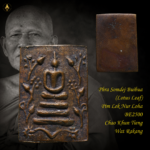
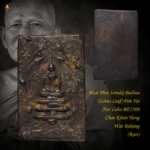
Authentic Phra Somdej 9 Chan Khang Daw by Chao Khun Tieng, Wat Rakang, BE 2507. Pressed in nur phong. Singapore dealer TAC.
The Phra Somdej 9 Chan Khang Daw Chao Khun Tieng is a pressed phong amulet produced at Wat Rakang in BE 2507. It belongs to the nine-tier Somdej lineage associated with that temple and was made under the hand of Chao Khun Tieng, a senior ecclesiastical monk whose rank gave him standing to oversee the pluk sek (consecration ceremony) for pieces of this grade.
Chao Khun Tieng held a Chao Khun title, one of the highest ecclesiastical ranks in Thai Buddhism. That rank mattered. It determined who could lead the phutthaphisek (formal empowerment ceremony), and a monk of that standing brought with him decades of practice and institutional authority within the Sangha.
Wat Rakang’s connection to the Phra Somdej tradition is long and well documented. The temple sits on the Thonburi bank of the Chao Phraya, and its association with high-grade Somdej amulets goes back further than most collectors’ living memory. When a Chao Khun-ranked monk produced a piece there, it was not an ordinary run. That is the context you need before anything else.
This piece is pressed in nur phong — a composition of sacred powders that form the muan sarn (the blend of blessed substances at the heart of the amulet). Phong-based Somdej pieces from Wat Rakang in this era carry a particular texture and density that you can feel in hand. The surface should show age-consistent settling without crumbling at the edges.
What you want to check first is the pim (mould impression) — the sharpness of the seated Buddha image, the nine-tier base typical of the Khang Daw form, and the way the rear face has aged. BE 2507 pieces from this temple have characteristics that experienced collectors and reference books document clearly. Hold it against a known reference, and the details either line up or they do not. There is no middle ground with Wat Rakang phong pieces of this period.
For more on the broader tradition these pieces sit within, the Thai Buddhist amulet tradition has background that gives useful context, especially on the role of temple lineage and consecration in establishing a piece’s standing. Wat Rakang itself is one of the temples most closely associated with the Phra Somdej form across Thai amulet history.
Collectors and devotees associate Phra Somdej pieces from Wat Rakang with four principal qualities:
Metta and Maha Saneh make this a practical everyday piece for anyone whose work depends on building trust quickly — client-facing roles, management, teaching, healthcare, business owners who meet people constantly. Baramee suits those carrying responsibility; it is the quality that helps you hold your composure when things are hard. Klaew Klaad is the reason some collectors keep a Somdej close during travel or any period of uncertainty. For practitioners who sit regularly, a Wat Rakang Somdej from this era is considered a settled, calming presence on the altar as well as on the person.
This is a nur phong Phra Somdej 9 Chan Khang Daw from Wat Rakang, BE 2507 — made under Chao Khun Tieng, whose ecclesiastical rank placed him among the senior monks authorised to oversee consecrations of this grade at the temple. For a collector looking at mid-century Wat Rakang phong pieces, the monk's standing and the temple lineage are what set this apart from generic Somdej production of the same era.
Attributes reflect Thai Buddhist devotional tradition and are not measurable claims.