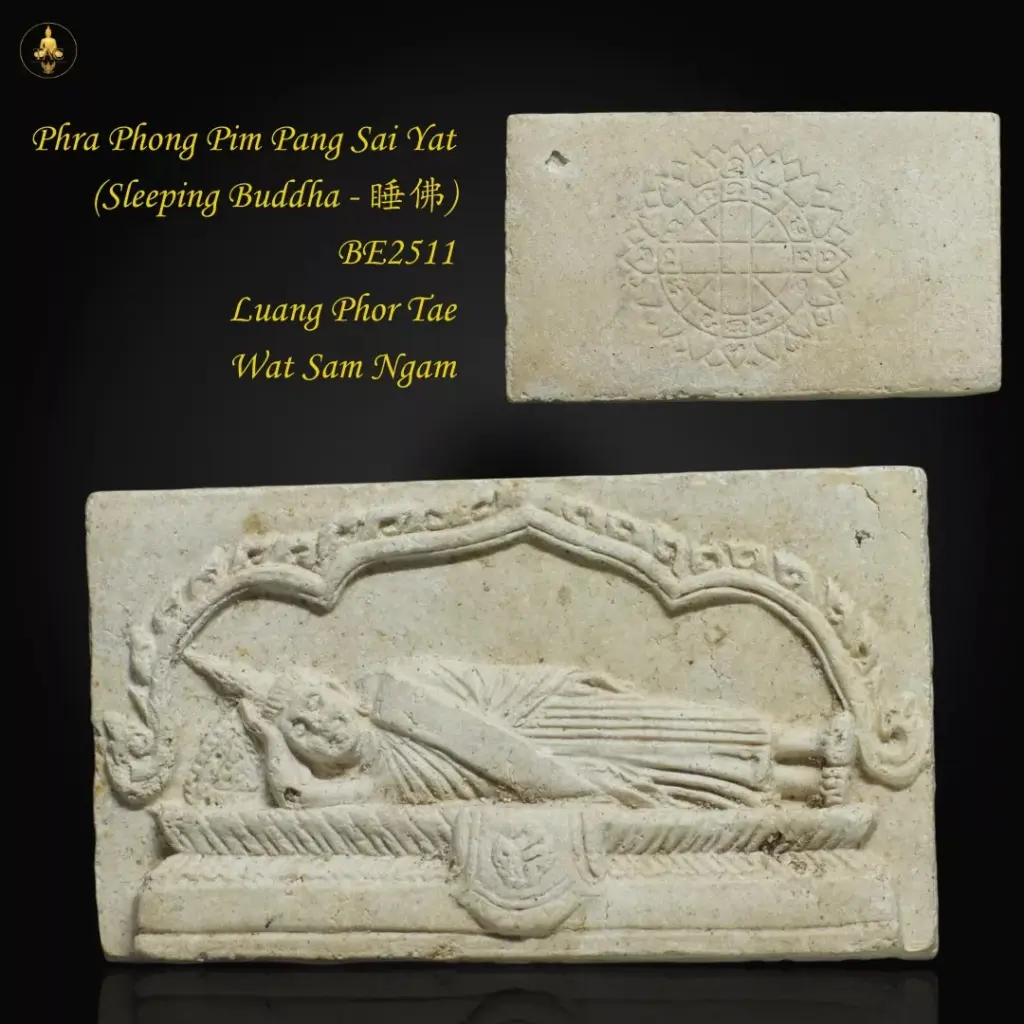
Phra Phong Pim Pang Sai Yat (Tuesday Buddha – Sleeping Buddha – 睡佛) BE2511 Luang Phor Tae Wat Sam Ngam
| Type | Phra Pracawan Pang Sai Yat |
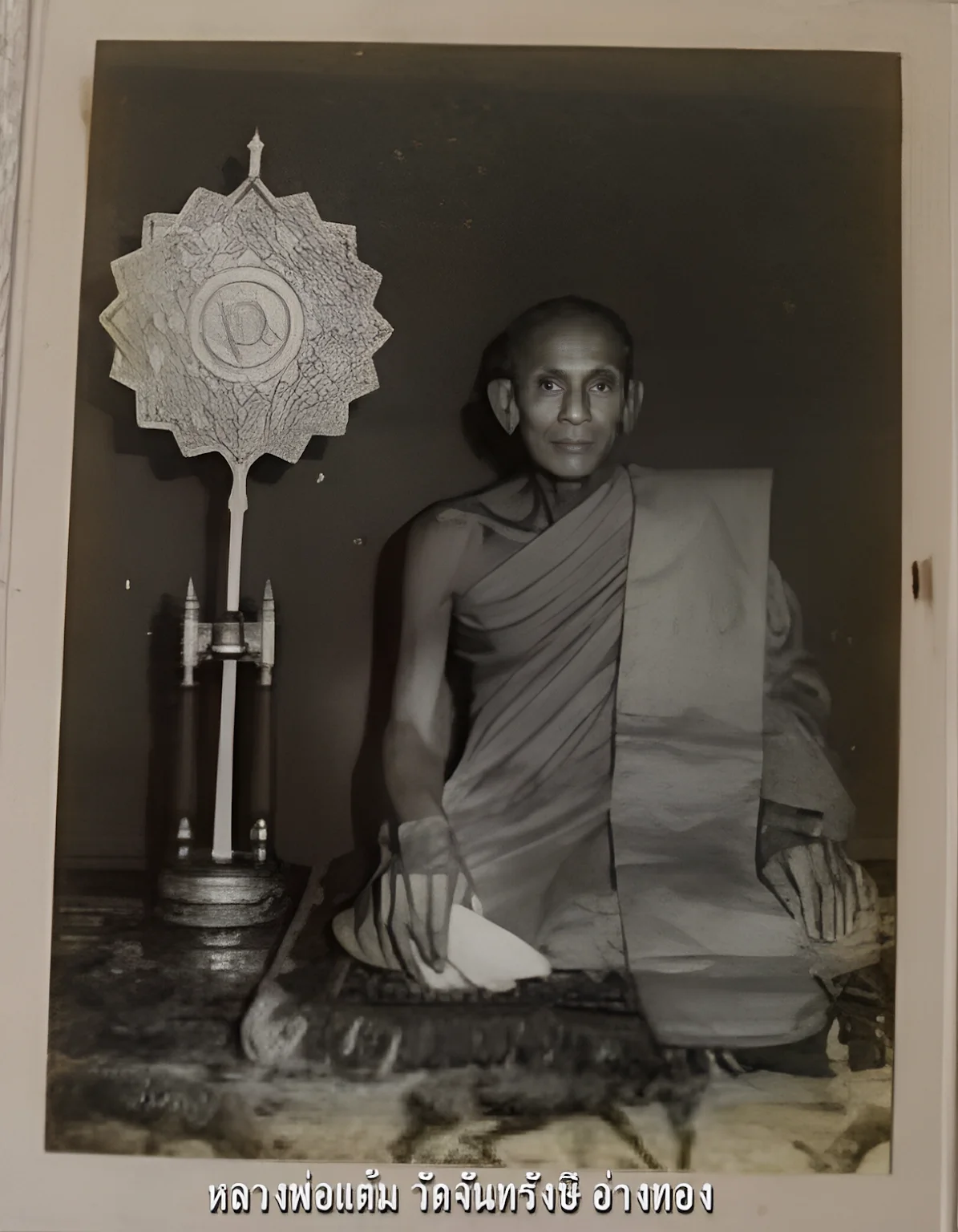
| Monk | Luang Phor Taem Wat Chanrangsi |
| Temple | Wat Sam Ngam |
| B.E. Year | 2511 |
| SKU | TAC-0561 |
Phra Phong Pim Pang Sai Yat • Nur Phong BE2511 • Wat Sam Ngam • Listing notes place this piece in the Luang Phor Tae period • A devotional Sleeping Buddha format associated with Wat Sam Ngam Overview of a Pang Sa
Phra Phong Pim Pang Sai Yat • Nur Phong
BE2511 • Wat Sam Ngam • Listing notes place this piece in the Luang Phor Tae period • A devotional Sleeping Buddha format associated with Wat Sam Ngam
Overview of a Pang Sai Yat (ปางไสยาสน์) or reclining Buddha amulet, a format devotees often connect with peaceful composure, restfulness, and remembrance of the Buddha’s serene posture.
What This Piece Represents (Collector Lens)
This piece stands out because it uses the reclining Buddha, or Sleeping Buddha, image rather than the more common seated form. In Thai amulet culture, Pang Sai Yat pieces are appreciated not only for their visual distinctiveness but also for the calm devotional mood they carry. Collectors typically read such amulets through the relationship between image type, powder body, and temple lineage. Here, the combination of a reclining Buddha format, a BE2511 period note, and Wat Sam Ngam association gives the amulet a clear identity within the wider Luang Phor Tae collector sphere.
Amulet Information
Name: Phra Phong Pim Pang Sai Yat (Sleeping Buddha / 睡佛)
Material: Nur Phong (เนื้อผง)
Year (BE): 2511
Monk: Luang Phor Tae
Temple: Wat Sam Ngam
Type / Pim / Variant: Pim Pang Sai Yat
Certification / Proof: Not available
Key Spiritual Focus: Peacefulness, devotional remembrance, and protective blessing in traditional belief framing
SKU: TAC-LuangPhorTae-PhraPhongPimPangSaiYat-001
Price:
SGD 88
About Material
As a nur phong (เนื้อผง) amulet, this piece belongs to the sacred powder family that collectors usually study through surface maturity rather than metallic sharpness. In Thai amulet culture, powder pieces are often appreciated for their texture, tone variation, and the way the material settles into the moulded design over time. Compared with metal amulets, powder amulets usually invite closer attention to the body texture, the edges, and the quiet age expression around protected areas.
- Collectors typically look at the density and natural texture of the powder surface.
- Minor variation in tone can be part of normal maturity in older sacred powder amulets.
- Edge condition and recessed details are often read together rather than as separate points.
Design / Pim / Variant
The most distinctive element here is the Pang Sai Yat reclining Buddha posture. This image gives the amulet an immediately recognisable silhouette and separates it from the more common standing or seated Buddha forms. For collectors, that matters because the image type itself becomes part of the amulet’s identity. The reverse side adds further evidence cues when comparing the piece as a temple-issued sacred powder format.
Traditional Spiritual Attributes & Metaphysical Properties
In Thai amulet culture, reclining Buddha imagery is often approached through a gentle devotional lens. Devotees may associate it with metta (เมตตา — loving-kindness), inner calm, and peaceful protection. As with all Thai amulets, these are traditional attributions rather than guarantees. The strongest framing is devotional: a respectful object of remembrance linked with merit, discipline, and Buddhist faith.
- Metta and calmness: often linked with a softer, peaceful spiritual presence.
- Khum khrong (คุ้มครอง): devotees may wear such amulets for everyday protective reassurance.
- Suitable for devotional wearing, altar respect, or mindful daily remembrance.
Rarity Assessment & Collector Significance
Exact rarity data for this specific piece is not available in the provided listing, so the safest collector position is to avoid overstating scarcity. Even so, collector significance is still clear. The amulet combines a less commonly seen reclining Buddha format, a BE2511 period note, a sacred powder body, and the Luang Phor Tae / Wat Sam Ngam association. That combination gives the piece a recognisable profile that many collectors would consider interesting beyond a generic devotional amulet.
Conclusion
Phra Phong Pim Pang Sai Yat BE2511 is a compact reclining Buddha amulet that carries both visual distinction and devotional calm. For collectors, its appeal lies in the Sleeping Buddha image, the sacred powder body, and its period association with Luang Phor Tae of Wat Sam Ngam.
Front view showing the reclining Buddha posture and the overall form of the sacred powder body.
Back view for reading the reverse surface, powder maturity, and overall balance of the piece.
Attributes reflect Thai Buddhist devotional tradition and are not measurable claims.
![[SOLD] Phra Phong Luang Pho Yok Lang Yant Nur Phong BE2514 Luang Phor Taem (Lp Yaem) Wat Chanrangsi, Luang Pu Toh consecration (included Wat Paknam Roon 4 materials)](https://tac-media.sgp1.digitaloceanspaces.com/2026/03/sold-phra-phong-luang-pho-yok-lang-yant-nur-phong-be2514-luang-phor-taem-lp-yaem-wat-chanrangsi-luang-pu-toh-consecration-included-wat-paknam-roon-4-materials-150x150.webp)