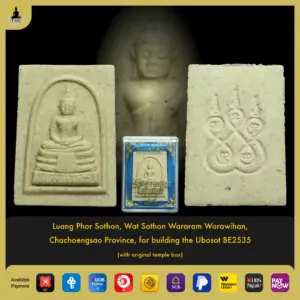
 Luang Phor Sothon, Wat Sothon Wararam Worawihan, Chachoengsao Province, for building the Ubosot BE2535 (with original temple box)
S$10
S$18save S$8 (44%)
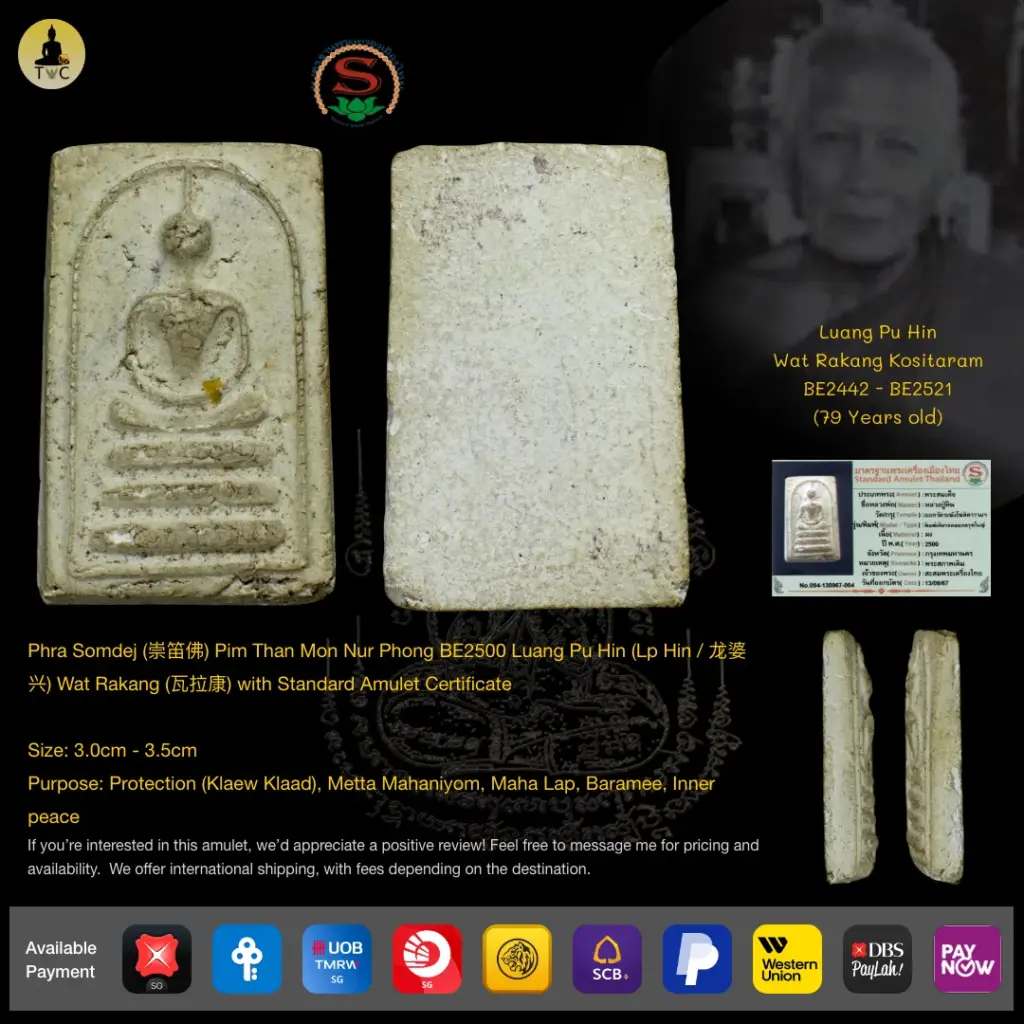
| Type | Phra Somdej |
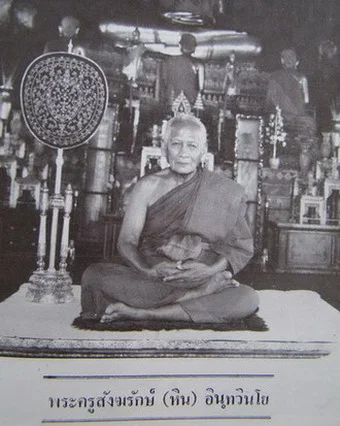
| Monk | Luang Pu Hin Wat Rakang Kositaram |
| Temple | Wat Rakang |
| B.E. Year | 2500 |
| Material | Phong |
| SKU | TAC-0610 |
Luang Phor Sothon, Wat Sothon Wararam Worawihan, Chachoengsao Province, for building the Ubosot BE2535 (with original temple box)
 Phra Luang Pu Thuad (Lp Thuad) Nur Wahn BE2550 Wat Kongkha Liap (Tha Sak), Nakhon Si Thammarat (425 Years Anniversary, 9 Days & 9 Grand Ceremonies)
 Phra Pang Umbat (Wednesday Buddha) BE2512 Luang Phor Tae (Lp Tae) Khongthong Wat Sam Ngam
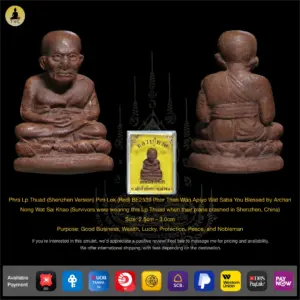 Phra Lp Thuad 龙婆托 (Shenzhen Version) Pim Lek (RED) BE2539 Phor Than Wan Apiyo Wat Saba You Blessed by Archan Nong Wat Sai Khao
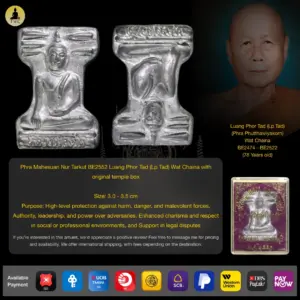 Phra Mahesuan Nur Tarkut BE2552 Luang Phor Tad (Lp Tad) Wat Chaina with original temple box
Each adds this amulet plus the offer at the bundle price — ready at checkout, or mention it when you enquire on WhatsApp.
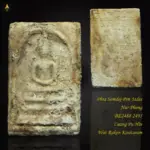
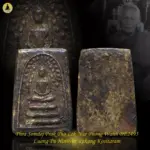
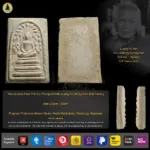
Authentic Phra Somdej Luang Pu Hin Wat Rakang Kositaram, BE 2500, Pim Than Mon, Phong. Standard Amulet Certificate included. Available from TAC, Singapore.
The Phra Somdej Luang Pu Hin Wat Rakang Kositaram is a classic phong (sacred powder blend) Somdej pressed in BE 2500, attributed to Luang Pu Hin Wat Rakang Kositaram and produced under the lineage of Wat Rakang in Bangkok. The pim (mould) is Than Mon — the distinctive cushion-base profile — and the piece comes with a Standard Amulet Certificate for documentation.
Among collectors who follow the Wat Rakang lineage, BE 2500 sits in an era that draws consistent attention. Luang Pu Hin Wat Rakang Kositaram is associated with this generation of pieces, and the temple’s standing in the broader Thai Buddhist amulet tradition means that attributions to Wat Rakang carry real weight in collector circles across Singapore, Malaysia, and Thailand.
Wat Rakang is one of the most referenced temple lineages in Somdej collecting. Pieces produced there across different generations are studied closely — pim by pim, batch by batch. This BE 2500 example is a practical entry into that lineage: the Somdej identity is clear, the attribution is documented, and the certificate gives you a starting point for your own records.
Than Mon (ฐานหมอน) translates roughly to “cushion base.” The base line is softer and more rounded than what you see on sharper-tiered Somdej variants, which gives this pim its own character in a lineup. Collectors often find it easier to cross-reference because the silhouette is distinctive.
For authentication study, the nuea (material/substance) on phong pieces like this one offers several surface cues worth examining closely:
Exact muan sarn (sacred powder blend) ingredient ratios are not disclosed batch-by-batch in the Somdej tradition. What you work with instead is the surface behaviour — and for a BE 2500 phong piece, that surface should show the calm, settled look of properly aged powder, not anything fresh or artificially treated.
This listing comes with a Standard Amulet Certificate. For Somdej collecting, documentation matters — keep the certificate image filed alongside your amulet photos and note the pim name precisely. Small details recorded early are what make a collection coherent over time.
The combination of a clear pim identity (Than Mon), a defined attribution to Luang Pu Hin, a fixed year (BE 2500), and supporting paperwork makes this a well-defined entry-level piece for anyone building a documented Wat Rakang collection. It is specific enough to study seriously without requiring specialist-level investment to start.
We at TAC are offering this Phra Somdej Pim Than Mon in phong from BE 2500, attributed to Luang Pu Hin of Wat Rakang Kositaram, presented with a Standard Amulet Certificate. For collectors building a documented Wat Rakang collection, the clear pim identity and supporting paperwork make this a practical and well-defined entry.
Attributes reflect Thai Buddhist devotional tradition and are not measurable claims.