Luang Phor Khram Wat Phra Ngoen
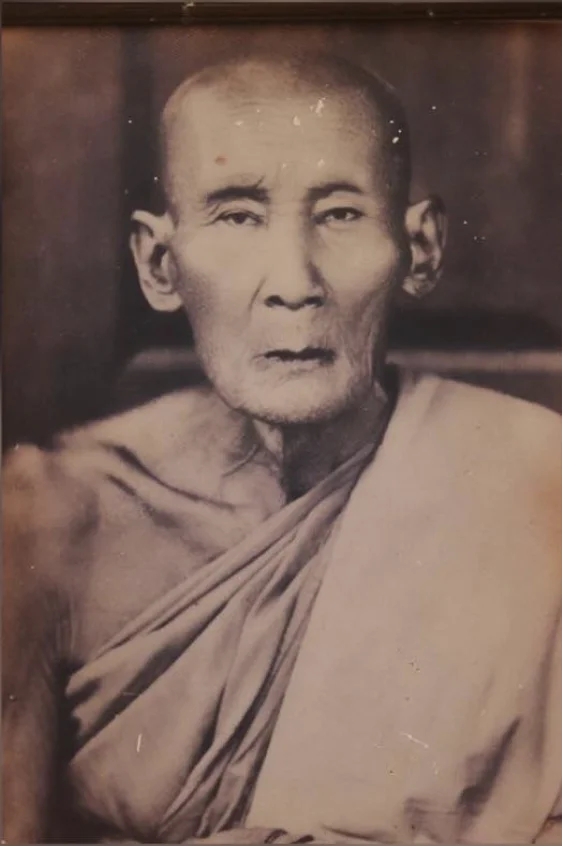
Luang Pho Kram Thirathammo was born in BE 2403 (1860 CE) in Nonthaburi Province. He grew up in an era when temple life was at the heart of the community, and from young he showed a natural inclination toward the monastic path. After ordination, he sought training under respected masters of his time, including Luang ... Read more ↓
Amulets by Luang Phor Khram Wat Phra Ngoen 3 total · 1 available
![[SOLD] Phra Pidta Lang Yant Tao (Wealth Turtle) Nur Phong Bailan BE2435 Lp Khram Wat Phra Ngoen (Rare)](https://tac-media.sgp1.digitaloceanspaces.com/2026/03/sold-phra-pidta-lang-yant-tao-wealth-turtle-nur-phong-bailan-be2435-lp-khram-wat-phra-ngoen-rare-300x300.webp)
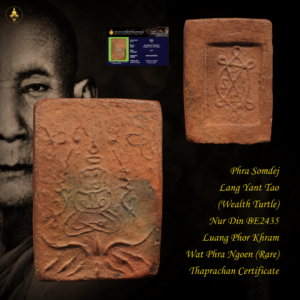
![[SOLD] Phra Somdej Than Baw Song Tao Lang Yant Tao (Wealth Turtle) BE2435 Lp Kram (Lp Khram) Wat Phra Ngoen – Won 2nd placing in the competition](https://tac-media.sgp1.digitaloceanspaces.com/2026/03/sold-phra-somdej-than-baw-song-tao-lang-yant-tao-wealth-turtle-be2435-lp-kram-lp-khram-wat-phra-ngoen-won-2nd-placing-in-the-competition-300x300.webp)

Biography
Luang Pho Kram Thirathammo was born in BE 2403 (1860 CE) in Nonthaburi Province. He grew up in an era when temple life was at the heart of the community, and from young he showed a natural inclination toward the monastic path. After ordination, he sought training under respected masters of his time, including Luang Pu Boon of Wat Klang Bang Kaeo and Luang Pho Parn of Wat Bang Nom Kho. Under their guidance, he developed a strong grounding in Dhamma, discipline, and sacred knowledge — particularly in yantra (ยันต์) and traditional amulet making.
As the years passed, Luang Pho Kram became widely respected in Nonthaburi. He served as abbot at Wat Phra Ngern and was also associated with temples such as Wat Kampang and Wat Saluktai. Those who knew him often described him as firm and disciplined within temple grounds, yet compassionate toward villagers. He took temple administration seriously, emphasising moral conduct, Buddhist education, and community welfare. His leadership helped strengthen the role of the temple as both a spiritual and social centre.
Luang Pho Kram was also known as a healer — what people commonly called a “medicine monk.” He travelled to help villagers suffering from illness, offering herbal knowledge and blessings regardless of social status. His reputation grew steadily, not through publicity, but through word of mouth.
One of the areas that brought him lasting recognition was his amulets, especially the Phra Phaya Taoreuan (เต่าเรือน), commonly referred to as the turtle amulet. These were often made from sacred black powder, baked earth, bai lan powder (ผงใบลาน), and other traditional materials. Many featured the turtle symbol on the reverse side, making them visually distinctive among collectors.
The turtle carries deep symbolic meaning in Thai Buddhist culture. In traditional stories, the Bodhisatta was once reborn as a great turtle who sacrificed himself to save others. Because of this, the turtle came to symbolise longevity, resilience, protection, and steady progress. Over time, the name “Phaya Taoleuan” — suggesting the removal of obstacles — evolved into “Phaya Taoreuan,” interpreted as bringing stability and fortune into one’s home. In Thai amulet circles, these pieces are traditionally regarded for metta (เมตตา), protection, and support in resolving disputes or legal matters.
Devotees developed various ritual practices around his amulets. Some facing court cases would write details of their situation and place it beneath the amulet while reciting katha (คาถา) prayers. Others created nam mon (น้ำมนต์) — sacred water — by briefly soaking the amulet and using the water before important meetings. These customs reflect the deep faith people placed in his blessings.
In terms of craftsmanship, his amulets were known for their strong texture and character. Materials were carefully selected, sometimes including auspicious woods or other sacred elements associated with protection and prosperity. This attention to detail added both spiritual and collectible value.
Luang Pho Kram is believed to have passed away around BE 2487 (1944 CE), at approximately 84 years of age. Even after his passing, his amulets continued to circulate quietly among devotees and collectors. For many years they remained relatively low-profile outside local circles. In more recent times, as knowledge spread through collector networks and social media, interest has grown significantly.
Today, his Phra Phaya Taoreuan and other amulet styles are appreciated not only for their reputed spiritual qualities, but also for their historical depth. They represent an era when monks lived simply, worked closely with their communities, and created sacred objects rooted in discipline and faith. For collectors, owning one is not just about rarity — it is about holding a small piece of Nonthaburi’s old monastic tradition.
Explore more from Thai Amulets Collection: browse all amulets, monk biographies, or discover katha sacred chants.
For broader context on Thai Buddhist traditions, see Thai amulets on Wikipedia.