Luang Pu Tim (Lp Tim) Wat Lahanrai Biography
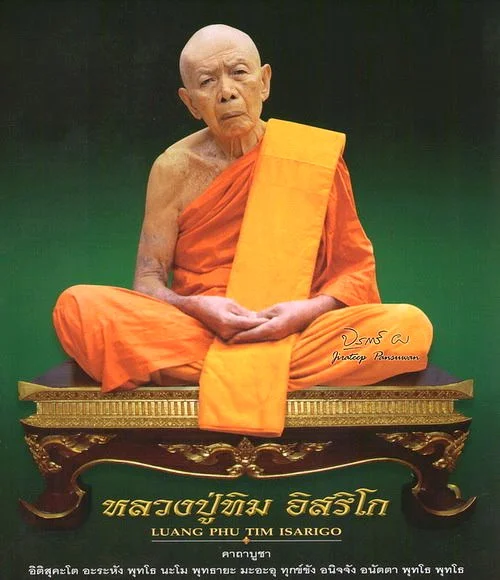
Luang Pu Tim (Lp Tim) Wat Lahanrai BE2422 – BE2518 (96 Years old) Luang Pu Tim, originally named Tim Ngamsri, was born in Ban Hua Thung Ta But, Village No. 2, Tambon Lahan Rai, Amphoe Ban Khai, Rayong Province, on Friday, June 16, 1879, during the Year of the Goat. He was the second of ... Read more ↓
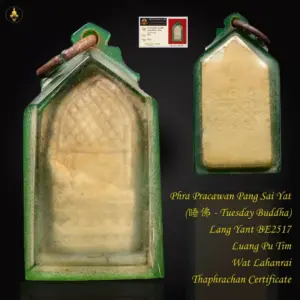
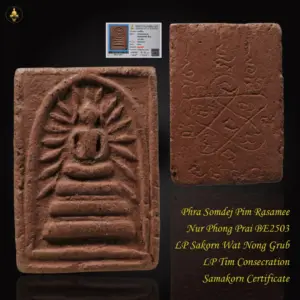
Amulets by Luang Pu Tim (Lp Tim) Wat Lahanrai Biography 27 total · 24 available

 SGD 20 off
Vesak Day Sale
SGD 20 off
Vesak Day Sale
Biography
Luang Pu Tim (Lp Tim) Wat Lahanrai
BE2422 – BE2518
(96 Years old)
Luang Pu Tim, originally named Tim Ngamsri, was born in Ban Hua Thung Ta But, Village No. 2, Tambon Lahan Rai, Amphoe Ban Khai, Rayong Province, on Friday, June 16, 1879, during the Year of the Goat. He was the second of three brothers, born to Mr. Chae and Mrs. In Ngamsri.
Luang Pu Tim was the grandson of Luang Pu Sang, a highly revered monk with profound magical knowledge, who founded Wat Lahan Rai. Luang Pu Sang was known for his extraordinary abilities, including a famous tale that his saliva, when it touched the ground, could cause it to crack. Before moving to Wat Keng Chin, where he created lead amulets, Luang Pu Sang left all his books and knowledge at Wat Lahan Rai, saying, “If anyone has wisdom, they should research it themselves.” These texts later became a valuable resource for Luang Pu Tim’s studies.
At the age of 17, Luang Pu Tim’s father sent him to stay with Father Singh at a local temple to study. After about a year, his father requested his return home to help with the family, and Luang Pu Tim disrobed to support his parents, taking on tasks such as hunting and fishing to provide for them.
When he was 20, he ordained as a monk at Wat Lahan Rai on June 7, 1906. His preceptor was Phra Khru Khao of Wat Thap Ma, with Phra Ajahn Ket and Phra Ajahn Singh, his first teacher, serving as his ceremony mentors. He received the religious name “Isriko.” After ordination, he devoted himself to studying the scriptures and magical texts left by Luang Pu Sang.
Luang Pu Tim was known for his dedication to Vipassana meditation and his desire to train himself through pilgrimage, often seeking solitude in forests and mountains—something rare for monks of his generation, who usually focused solely on scriptural studies.
As abbot of Wat Lahan Rai, Luang Pu Tim oversaw the development of the temple, building residences, monk quarters, and a chapel with the help of the local community. He was highly respected for his strict adherence to Dhamma and discipline, earning the trust and admiration of his disciples and villagers alike. He also spearheaded the building of a school and various infrastructure projects, including bridges and dining halls, significantly benefiting the community.
In 1935, Luang Pu Tim was appointed Phra Khru Prathuan, and in 1954, he was promoted to Phra Khru Sanyabat. In 1964, he received the ecclesiastical title of Phra Khru Phawana Phirat. Initially, Luang Pu Tim did not seek recognition for these titles, even refusing to go to the province to receive the ceremonial fan. However, after the villagers rallied to present it to him at the temple, he reluctantly accepted it.
Luang Pu Tim was a revered monk known for his simple, contented lifestyle. He adhered strictly to the Buddha’s teachings, eating only one meal a day for 47 years and avoiding meat, fish sauce, and savory foods, subsisting on vegetables, beans, and simple dishes like noodles with chili paste.
Luang Pu Tim passed away peacefully from old age at 11:00 PM on October 16, 1975, in front of the prayer hall at Wat Lahan Rai. After his 100-day merit-making ceremony, his body was kept in the Pavanaphirat Sala of Wat Lahan Rai until his cremation on March 16, 1983.
Explore more from Thai Amulets Collection: browse all amulets, monk biographies, or discover katha sacred chants.
For broader context on Thai Buddhist traditions, see Thai amulets on Wikipedia.