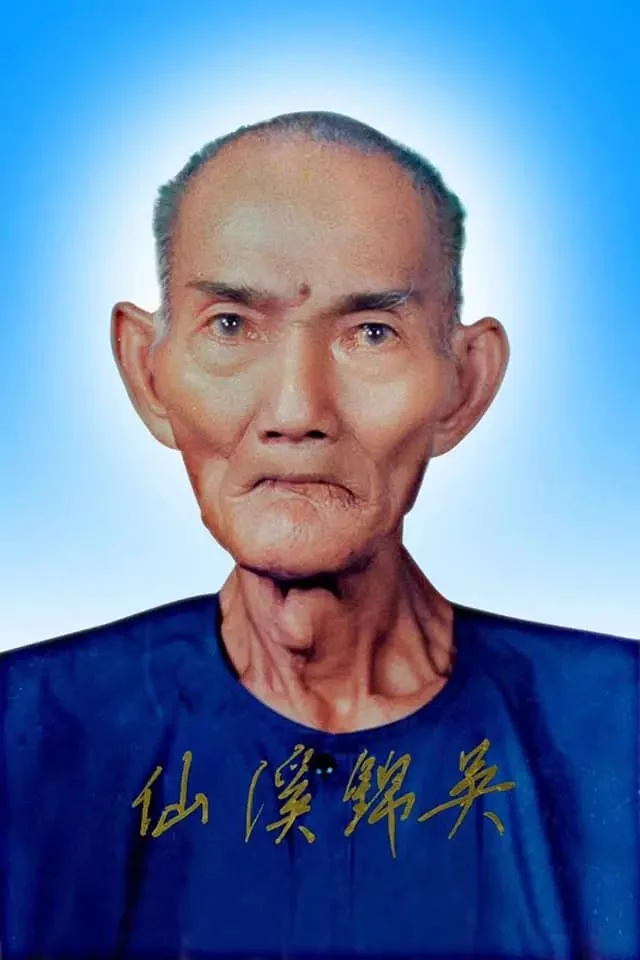
Sian Pae Rongsi “Ah Pei Rong Si” (Ajahn Ngow Kim Koi) Wat Salajao
Sian Pae Rongsi “Ah Pei Rong Si” Pathum Thani • Wat Salajao (Wat Makham) • Master of Prosperity & Trade Sian Pae Rongsi (Ajahn Ngow Kim Koi / Nathee Thongsiri), Thai–Chinese patron of merchants and trade Revered by Thai–Chinese communities and merchants across Thailand, Sian Pae Rongsi—affectionately called “Ah Pei Rong Si” or “Master Pae ... Read more ↓
Biography
Sian Pae Rongsi “Ah Pei Rong Si”
Pathum Thani • Wat Salajao (Wat Makham) • Master of Prosperity & Trade
Revered by Thai–Chinese communities and merchants across Thailand, Sian Pae Rongsi—affectionately called
“Ah Pei Rong Si” or “Master Pae of the Rice Mill”—is invoked for prosperity, protection from debt, commercial luck,
and steady fortune. Behind the veneration stands a real historical figure: Ajahn Ngow Kim Koi, known in Thai as
Nathee Thongsiri, born in BE 2443 (1900) and passing peacefully on January 16, BE 2527 (1984), at eighty-six.
He arrived in Thailand during the reign of King Rama VI (BE 2453–2468), beginning as a laborer before
helping run—and eventually co-own—the Bang Pho Tai Rice Mill in Pathum Thani. Prosperity did not blunt his humility:
those who met him remember a man who blended business acumen with feng shui insight, Chinese ritual knowledge, and a habit of generous counsel.
In shops and households, his handwritten talismans and calligraphed blessings were commonplace; the phrase
天官赐福 (Tian Guan Ci Fu, “The Heavenly Officer Bestows Blessings”) became a signature line of merit and uplift.
Stories of timely aid trace his reputation. One well-known account tells of a dilapidated riverside shrine he restored with his own hands.
On the day of its opening, storm clouds massed and winds rose; incense lit, he performed a quiet rite, and the weather calmed—an omen, witnesses said,
of blessings that cool hardship. Over time, the “Faa Prathan Phon” (Heavenly Blessing Yantra) came to stand as his emblem, displayed in
homes and storefronts for protection, solvency, and clean trade.
Devotees seeking his help typically prepare an image, offer lighted incense, and
chant Namo Tassa three times before reciting the simple mantra “Tian Guan Ci Fu” five times.
The heart of the rite is sincerity: state your intention plainly—better conduct in business, relief from debt, fairness in negotiations, or
the resolve to act honestly. Some also make a private request for permission to worship and look for a subtle sign of acceptance,
whether in dream, scent of incense, or sudden clarity of mind. As tradition frames it, virtue anchors the blessing.
Two years after his passing, in BE 2529 (1986), followers established the “Sala Nathee Thongsiri” at
Wat Salajao (Wat Makham) in Mueang District, Pathum Thani, where Faa Prathan Phon talismans are still distributed free of charge.
The hall is less a museum than a living reminder that prosperity, rightly pursued, rests on diligence, thrift, truthful dealing,
and generosity. In this balance of worldly skill and ethical poise, Sian Pae Rongsi remains what merchants most need:
a steadying presence, a patron of honest gains, and a teacher whose blessing begins with how one trades.
For modern shopkeepers, entrepreneurs, and families, his name continues to signify not only good luck but also
integrity: the understanding that fortune holds best when sustained by fairness, compassion, and care for the community.
Explore more from Thai Amulets Collection: browse all amulets, monk biographies, or discover katha sacred chants.
For broader context on Thai Buddhist traditions, see Thai amulets on Wikipedia.