Luang Phor Klan Wat Intrawas, Ang Thong
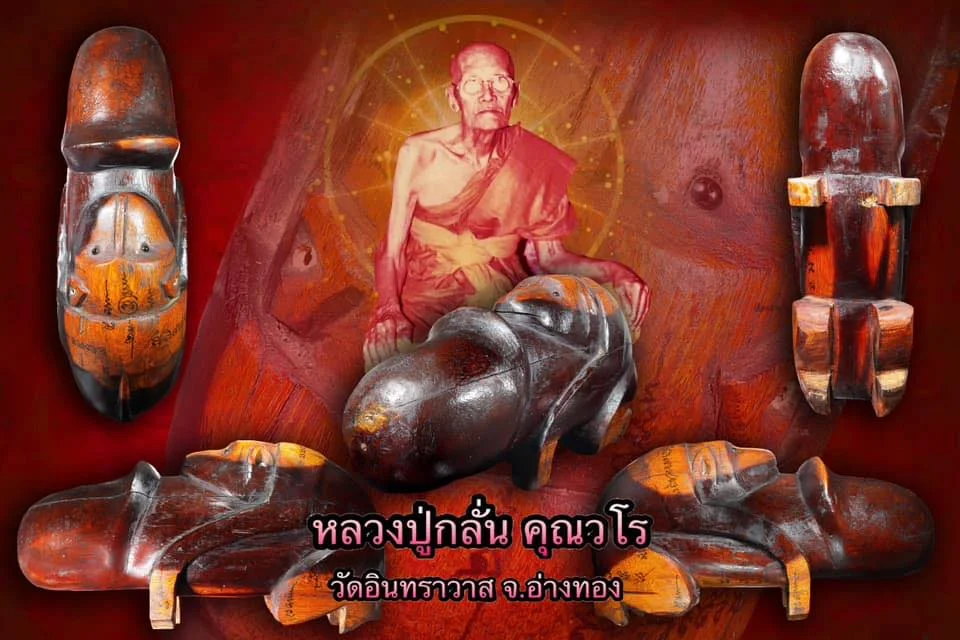
Luang Pu Klan Khunwaro (หลวงปู่กลั่น ขุนวโร) of Wat Mai Intrawas in Wiset Chai Chan District, Ang Thong Province, is widely remembered as one of the respected masters of sacred Thai amulets and traditional yantra knowledge. Before entering monkhood, he was born in Pho Phraya District of Suphan Buri Province. Like many men living in rural ... Read more ↓
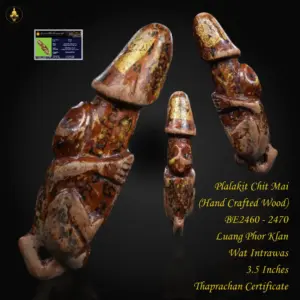
Amulets by Luang Phor Klan Wat Intrawas, Ang Thong 1 total · 1 available
Biography
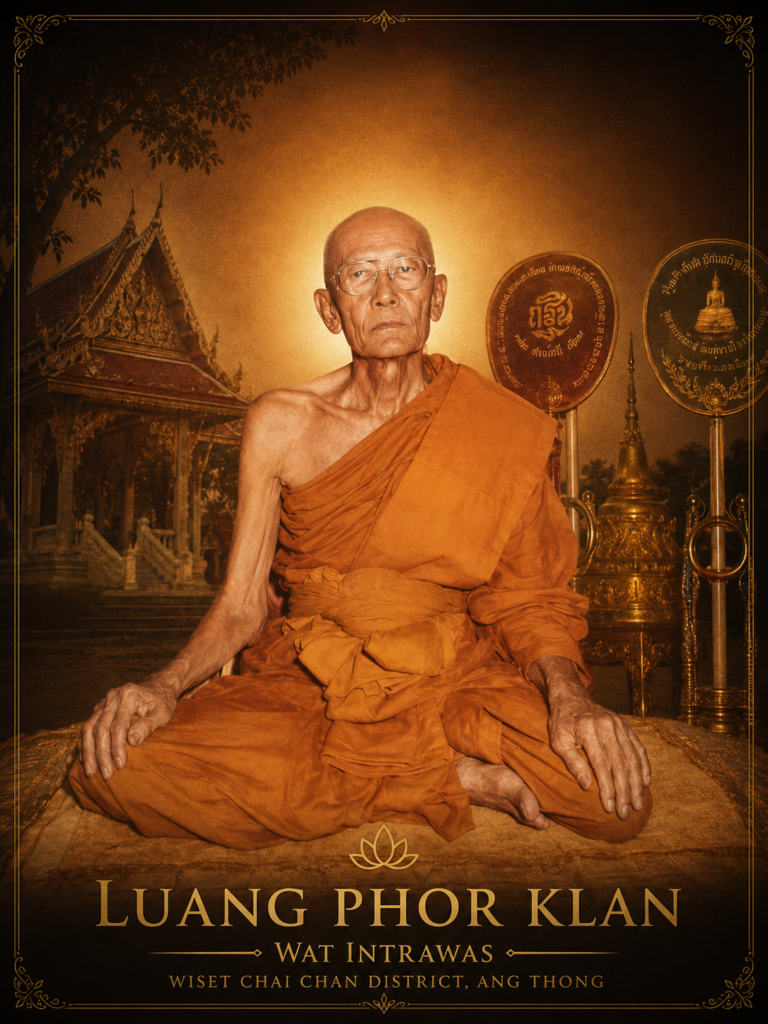
Luang Pu Klan Khunwaro (หลวงปู่กลั่น ขุนวโร) of Wat Mai Intrawas in Wiset Chai Chan District, Ang Thong Province, is widely remembered as one of the respected masters of sacred Thai amulets and traditional yantra knowledge. Before entering monkhood, he was born in Pho Phraya District of Suphan Buri Province. Like many men living in rural Thailand during that era, his early life unfolded during a time when stories of bandits and wandering fighters were still common throughout the countryside. During those years, Luang Pu Klan was known to have been close friends with Suea Fai Petchana, a former bandit whose name was well known in Suphan Buri.
Even before his ordination, people around him believed that Luang Pu Klan possessed unusual spiritual sensitivity. In his younger days he frequently stayed at temples, helping monks copy sacred Buddhist scriptures onto palm leaves. This traditional practice required patience, discipline, and knowledge of classical religious texts. It was during this time that he began studying sacred knowledge, yantra diagrams, and traditional spiritual practices under several respected teachers.
The master who influenced him the most was Luang Pu On Utamo of Wat Chi Suk Kasem. From this teacher he received many of the important foundations of his later spiritual work, including the powerful sacred yantra known as “N. Thor Torahod,” which later became one of the central symbols used in his own amulet consecrations. This lineage of knowledge would later influence many of the famous amulets created by Luang Pu Klan.
Throughout his life, Luang Pu Klan actively sought knowledge from many respected masters across Thailand. Among the teachers he studied with were Luang Pho Ee, from whom he learned the spiritual practice known as Kanha Neha; Luang Pho Phak of Wat Bot; and Luang Pho Phu of Wat Don Rak, who taught him the traditional methods used in the creation of sacred Thai amulets. He also studied with Luang Pho Kham Pho Plam and the well-known Pho Than Khlai of Suan Khan.
From Pho Than Khlai, Luang Pu Klan learned the complex “Ru Rue Ma – Lu Lu Pai” yantra. According to historical accounts, mastering this sacred formula took him more than six months — the longest period he ever spent learning under a single master. This demonstrates the level of dedication he had toward understanding the deeper traditions of sacred Thai knowledge.
His search for knowledge even extended beyond Buddhist teachers. One of the unusual figures who taught him was a Muslim lay practitioner from Pattani Province. From this teacher, Luang Pu Klan learned a mysterious form of divination known as “opening the three worlds,” which involved interpreting signs by examining the base of a plate. This shows how traditional Thai spiritual knowledge often crossed cultural and religious boundaries.
Over time, some people claimed that Luang Pu Klan had studied under Luang Pho Ding of Wat Bang Wua. However, historical accounts confirm that this is not correct. He never studied under Luang Pho Ding. Instead, much of the sacred knowledge that shaped his famous creations — particularly Hanuman (monkey) amulets and Palad Khik talismans — came directly from Luang Pu On Utamo. Luang Pu On himself was known for creating carved wooden monkey figures and sacred Palad Khik amulets, which later became strongly associated with the work of Luang Pu Klan.
Today, collectors of Thai amulets often remember Luang Pu Klan for his powerful Palad Khik amulets, which are highly sought after among devotees and collectors. However, he actually created many different sacred objects throughout his lifetime. These included various types of talismans and ritual objects that incorporated sacred yantra and spiritual formulas he had gathered from different teachers. In many ways, these combinations of sacred symbols were treated like powerful herbal medicine — each element contributing its own protective and auspicious quality.
Unlike many famous monks who invited multiple monks to participate in large consecration ceremonies, Luang Pu Klan preferred to perform consecrations alone. He personally empowered the amulets he created, relying on his own spiritual discipline and knowledge. His confidence in his practice is reflected in a well-known story among his disciples.
When the temple was building its principal Buddha statue known as “Luang Por Nai Bot,” a disciple once asked him which famous monks should be invited to take part in the consecration ceremony. Luang Pu Klan calmly replied:
“Why invite them? We can consecrate it ourselves. As the old saying goes, a tiger does not beg for meat from anyone.”
Before giving any amulet to devotees, Luang Pu Klan would first ensure that it had been properly empowered through his own spiritual practice. He believed that giving away an amulet without full consecration would create negative karma. Yet he never promoted the power of his amulets or described their abilities in detail. When asked about them, he would simply say that they were “good and auspicious objects.” Keeping one at home would bring good fortune to the household, while carrying one would bring good fortune to the person.
When devotees later returned to share their personal experiences after wearing his amulets, Luang Pu Klan would simply smile and respond calmly: “It is good. It is an auspicious object.” He never elaborated further.
This quiet humility became one of the defining characteristics of Luang Pu Klan of Wat Mai Intrawas. Rather than promoting himself, he allowed the reputation of his sacred Thai amulets — especially his famous Palad Khik talismans — to grow naturally through the real experiences of devotees and collectors who carried them.
Explore more from Thai Amulets Collection: browse all amulets, monk biographies, or discover katha sacred chants.
For broader context on Thai Buddhist traditions, see Thai amulets on Wikipedia.