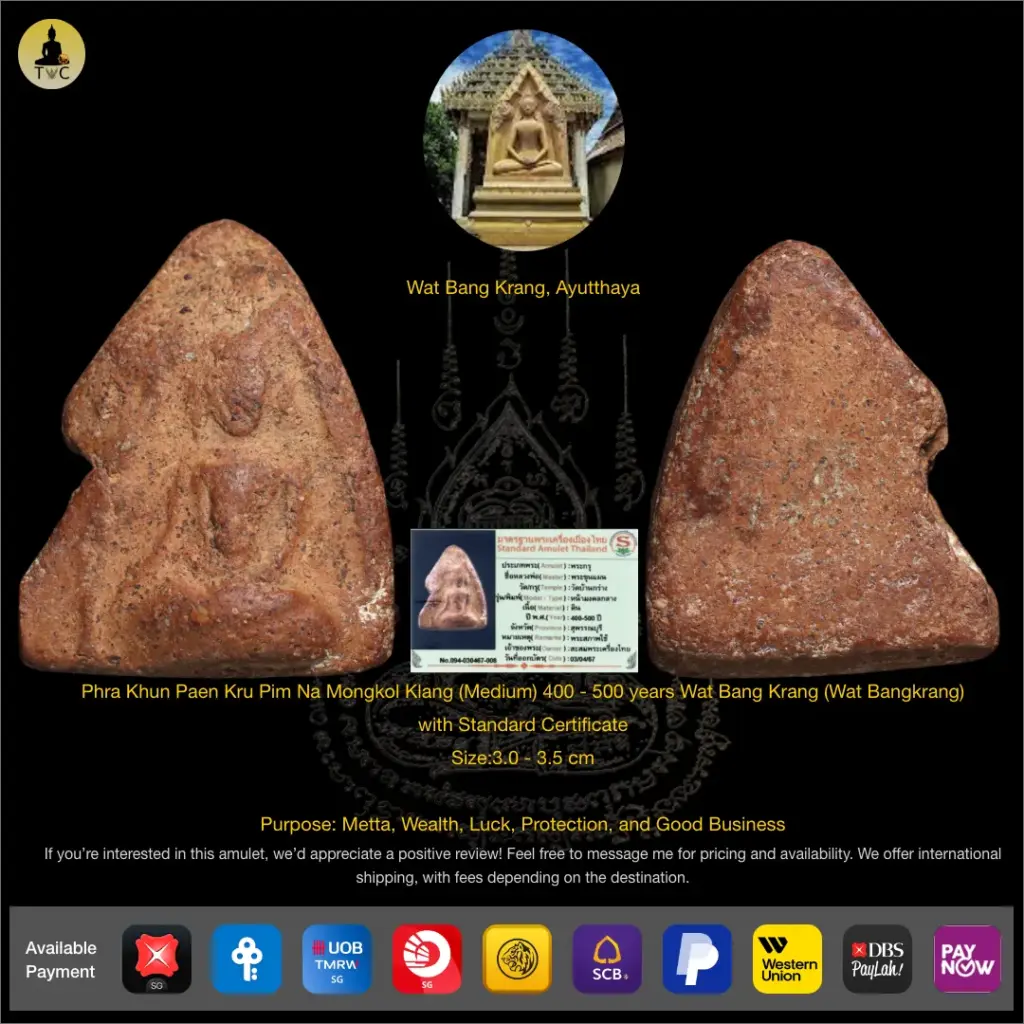
Phra Khun Paen Kru Pim Na Mongkol Klang (Medium) BE2100-2200 (400 – 500 years) Wat Bang Krang
| Type | Phra Khun Paen |
| Temple | Wat Bang Krang |
| B.E. Year | 2100 |
| SKU | TAC-0391 |
Phra Khun Paen Kru • Pim Na Mongkol Klang • Medium “Kru” ancient line • Estimated 400–500 years (as described) • Wat Bang Krang • With Standard Amulet Certificate • Museum-grade collector category
Phra Khun Paen Kru • Pim Na Mongkol Klang • Medium
“Kru” ancient line • Estimated 400–500 years (as described) • Wat Bang Krang • With Standard Amulet Certificate • Museum-grade collector category
Phra Khun Paen Kru Pim Na Mongkol Klang (Medium) — described as an ancient “Kru” category piece (estimated 400–500 years) associated with Wat Bang Krang, accompanied by a Standard Certificate (as provided).
Collector Lens
“Kru” amulets occupy a different class from standard year-issued batches: they are often described as pieces discovered from an older storage context (crypt/pagoda/cave lineage), where age, burial environment, and long-term handling create a surface signature that modern pressings cannot easily imitate. When a Khun Paen is documented as 400–500 years, collectors treat it as a museum-grade study object—valued as much for its material archaeology and mould ancestry as for devotional belief.
The mould name “Na Mongkol” (Auspicious Face) suggests a focus on auspicious presence—calm authority, noble support, and protective dignity—while Klang (Medium) indicates a balanced format that tends to preserve key facial and rim cues for authentication study.
Collector Identity Card
Amulet: Phra Khun Paen Kru • Pim Na Mongkol Klang (Medium)
Temple: Wat Bang Krang
Era Claim: BE2100 – 2200 (estimated 400–500 years)
Category: Kru / ancient mould lineage (collector classification)
Certificate: Standard Certificate (as provided)
SKU: TAC-KP-KRU-NM-KLANG-WBK
Price:
SGD 868
What “Kru” Means (How Collectors Document It)
In Thai collector language, “Kru” typically implies an older, non-modern context—often linked to an enshrinement/burial environment where time itself becomes part of the amulet’s identity. This matters because the verification logic changes: instead of looking for “new-batch sharpness,” collectors look for coherent ancient signatures:
- Surface maturity: natural patina that reads consistently across front, back, rim, and recesses.
- Micro-pitting & mineral bloom: evidence of long environmental interaction (should look organic, not artificial).
- Rim & edge behavior: ancient wear is rarely “even”; it has a lived-in asymmetry.
- Mould ancestry cues: repeated traits that match the known “family face” of the pim.
Because “400–500 years” is a significant claim, the safest collector stance is: treat the certificate as the anchor, and use close-up photography + reference comparisons to support your archive notes.
Traditional Spiritual Attributes (Belief Framing)
Khun Paen amulets are traditionally associated with a blend of metta (goodwill), protective presence, and “support energy” that helps a person move through society with steadiness. For a Kru-class piece, devotees often speak of a deeper “field” — not because it is louder, but because it is old, settled, and dignified.
- Metta Mahaniyom: kindness, trust, smoother interpersonal outcomes.
- Klaew Klaad: avoidance of trouble, accidents, unnecessary conflict.
- Authority & dignity: calm presence; being taken seriously without force.
- Benefactor support: receiving help at the right moment (belief-framed).
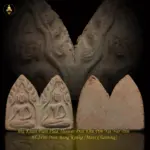
Reference view — document facial structure, rim silhouette, and patina consistency.
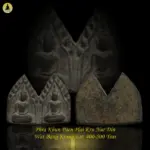
Alternate view — use to confirm relief depth, edge behavior, and mineral/patina patterning.
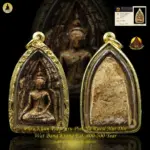
Third view — compare key mould “anchor points” (eyes, brow line, nose ridge, and rim curvature).
Rarity & Preservation Notes
Kru-class Khun Paen pieces are often pursued for their combination of age signature and mould lineage. Preservation matters: coherent patina, stable surface, and a clear facial structure typically carry more collector weight than “cleaning.” If you plan long-term storage, avoid humidity swings, chemical cleaners, and direct skin oils—document the piece with close-ups first, then keep handling minimal.
Related Links
The stated “400–500 years” age is treated as a documented claim tied to certification/collector attribution; independent verification and expert consultation are recommended for high-stakes provenance.
Attributes reflect Thai Buddhist devotional tradition and are not measurable claims.