Phra Pidta Lang Ma Nur Mekaphat BE2467 Luang Phor Ding, Wat Bang Wua, Chachoengsao
| Type | Phra Pidta |
| Monk | Luang Phor Ding Wat Bang Wua, Chachoengsao |
| Temple | Wat Bang Wua |
| B.E. Year | 2467 |
| Material | Mekaphat |
| Size | 16 x 12 x 4 mm |
| Condition | Good |
| Certificate | Thaprachan |
| SKU | TAC-0215 |
The Phra Pidta Luang Phor Ding Wat Bang Wua, Chachoengsao in nur mekaphat, dated BE 2467, is among the more studied examples of old-school central Thai …
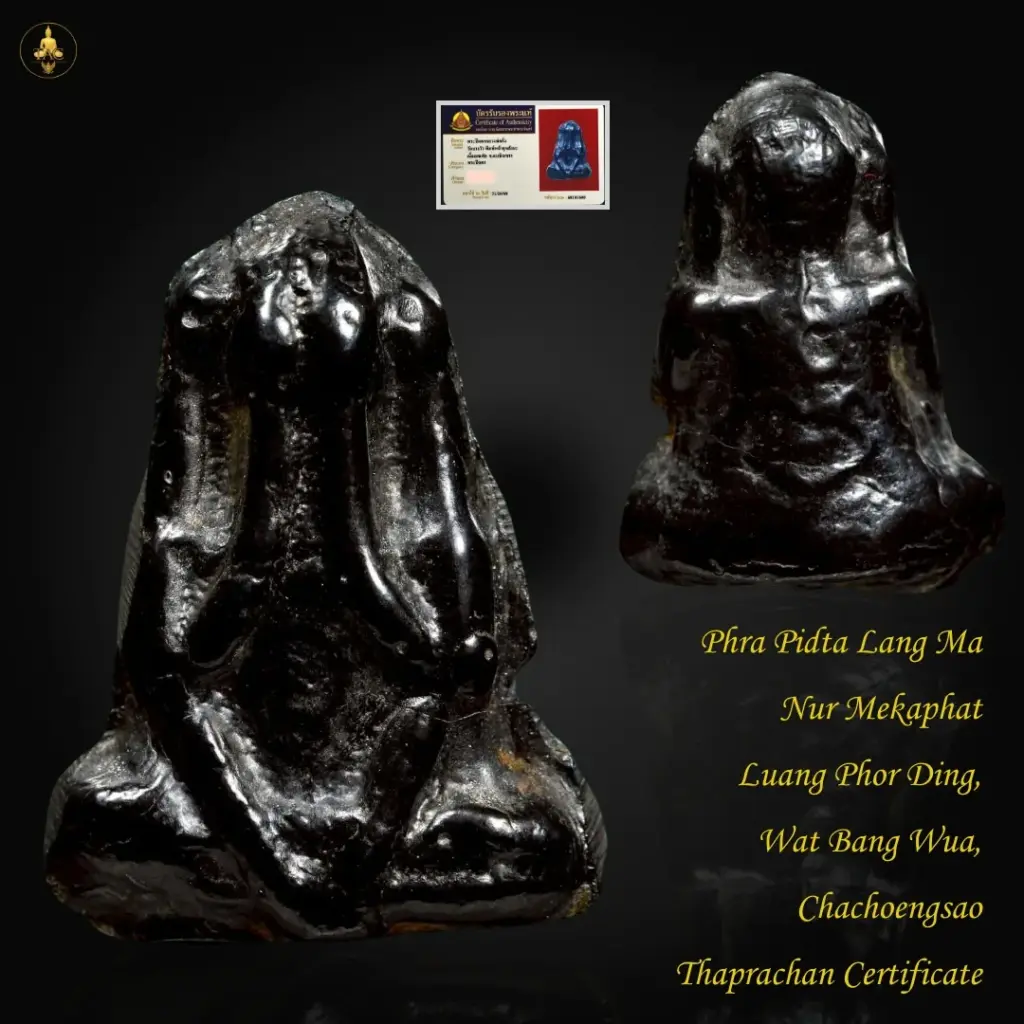
The Phra Pidta Luang Phor Ding Wat Bang Wua, Chachoengsao in nur mekaphat, dated BE 2467, is among the more studied examples of old-school central Thai Pidta tradition available to collectors in Singapore and across the region. This particular variant — known as the Lang Ma type for its distinctive horse motif on the reverse — carries both devotional seriousness and a clear typological identity that sets it apart within the wider Pidta lineage. It is principally regarded for its protective symbolism and its capacity to shield the wearer from visible and unseen obstacles.
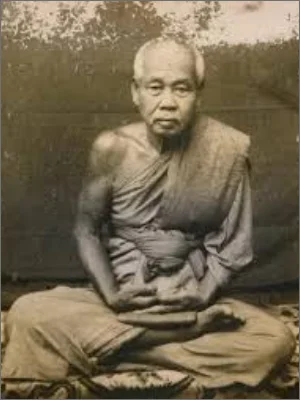
Luang Phor Ding Wat Bang Wua, Chachoengsao is a name that serious Pidta collectors recognize without hesitation. His amulet lineage belongs to the older central Thai sacred tradition, where Phra Pidta was understood as a genuine protective form rather than a commodity, and that devotional seriousness remains legible in surviving examples.
The Lang Ma reverse — a rendered horse motif occupying the back field — functions as a secondary naming system in collector study, separating this variant clearly from plain-backed Pidta types associated with the same monk. In documentation terms, a defined reverse type makes the piece easier to classify, compare, and position within the broader Luang Phor Ding landscape.
BE 2467 places this amulet in the early twentieth century, a period when Wat Bang Wua’s sacred production was rooted in established ritual practice rather than commercial scale. That historical context contributes directly to the piece’s standing among collectors who prioritize lineage depth over surface novelty.
Phra Pidta and Wat Bang Wua Heritage
Wat Bang Wua occupies a recognized position within the sacred geography of Chachoengsao province. In collector language, temple identity functions as an anchor for style, comparison, and expectation — a Pidta from Wat Bang Wua enters an established family of objects whose value rests on both physical form and lineage memory.
The temple’s association with Luang Phor Ding places it within the central Thai amulet tradition that prioritized Phra Pidta as a symbol of inward protection and concentrated sacred presence. This tradition, documented across the broader Thai Buddhist amulet canon, treated the enclosed posture of Pidta as a deliberate devotional statement — a figure that closes off external harm by turning entirely inward.
For collectors studying the Chachoengsao amulet landscape, Wat Bang Wua examples from the early BE 2400s period represent a well-defined and comparatively stable collecting line. Pieces that carry both clear temple attribution and a named monk association tend to hold their documentary standing more reliably than unattributed examples from the same era.
Mekaphat Phra Pidta — Composition and Craftsmanship
Nur mekaphat is a traditional sacred material designation that collectors approach with particular attention. It implies a denser, darker body composition than ordinary pressed powder, producing a surface tone and visual weight that distinguishes the piece even before typological details are examined. In collector observation, material character — surface consistency, edge behavior, and depth of tone — is one of the primary criteria for reading and comparing examples.
The darker sacred body of mekaphat also strengthens visual contrast between the front Pidta figure and the reverse Lang Ma motif. This contrast is not purely aesthetic; it aids in the detailed photographic documentation that modern collector study depends upon when comparing surface preservation across multiple examples.
Consecration practice for amulets of this period typically involved extended ritual cycles conducted by the presiding monk, with sacred incantations and the accumulation of merit-directed intent woven into the material at the point of pressing. The resulting object carries both the physical character of its material and the devotional authority of its consecration lineage.
Spiritual Benefits of Phra Pidta by Luang Phor Ding Wat Bang Wua, Chachoengsao
In Thai devotional culture, Phra Pidta is consistently associated with protection against visible and unseen harm, inward composure, and the closing off of negative influences. Amulets from lineages connected to respected older masters — such as those linked to Phra Pidta Luang Phor Ding Wat Bang Wua, Chachoengsao — are regarded by devotees as particularly supportive of safe passage and mental steadiness under uncertain conditions. These meanings belong to traditional Thai belief and are properly understood as devotional interpretations.
- Protection from obstacles: Phra Pidta is commonly worn as a guard against both tangible dangers and unseen malevolent forces that may obstruct daily life.
- Inward calm and restraint: The enclosed posture of the Pidta figure is traditionally read as a symbol of controlled composure and deliberate inward stability.
- Support for safe movement and focus: Devotees in the central Thai tradition have long regarded Pidta amulets as supportive of clearer judgment, steadier concentration, and safer passage through difficulty.
Phra Pidta BE 2467 — Authentication and Collector Value
This example is accompanied by a Thaprachan certificate — documentation issued by one of Thailand’s most recognized amulet authentication bodies, associated with Tha Prachan amulet market in Bangkok. Thaprachan certification carries significant weight in collector circles because it represents external expert assessment of typology, material consistency, and period authenticity rather than seller self-declaration.
The combination of factors present in this piece — Luang Phor Ding attribution, Wat Bang Wua temple identity, the Lang Ma reverse variant, nur mekaphat material, and BE 2467 dating — produces a more legible and better-documented example than a generic or unattributed Pidta from the same era. Each factor independently supports collector confidence; together they create a cumulative case for the piece’s standing within a serious study group.
Old-school central Thai Pidta amulets from the early BE 2400s with clear monk attribution and named reverse variants are not commonly encountered in authenticated condition. Rarity at this level of documentation specificity is one of the primary drivers of long-term collector attention.
Attributes reflect Thai Buddhist devotional tradition and are not measurable claims.