![[SOLD] Wean Hua Mek (Ring) Mekaphat Nur Loha Phasom BE2470 Luang Phor Im Wat Hua Khao Thai amulet](https://tac-media.sgp1.digitaloceanspaces.com/2026/04/Wean-Ring-curl-with-snake-Mekaphat-Nur-Thong-Phasom-BE2470-Luang-Phor-Yim-Wat-Huay-Khao-Thaprachan-1024x1024.png)
[SOLD] Wean Hua Mek (Ring) Mekaphat Nur Loha Phasom BE2470 Luang Phor Im Wat Hua Khao
| Type | Wean Hua Mek (Ring) |
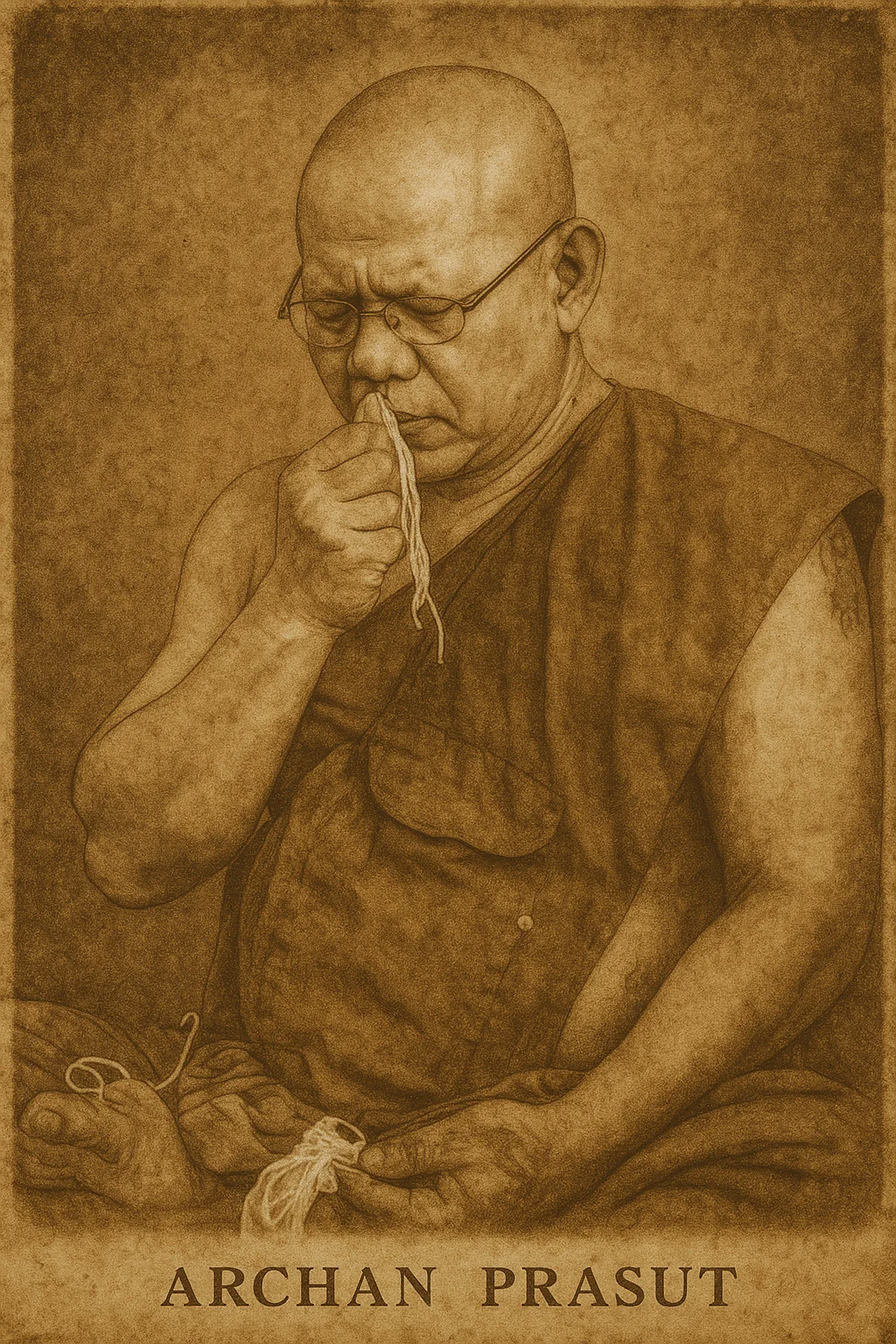
| Monk | Archan Prasut Wat Nai Tao |
| Temple | Wat Hua Khao |
| B.E. Year | 2470 |
| Material | Mekaphat Nur Loha Phasom |
| Condition | Fair |
| Certificate | Thaprachan #69030098 |
| SKU | TAC-WeanHuaMek(Ring)-LpIm-001 |
Authentic Wean Hua Mek (Ring) Luang Phor Im, Wat Hua Khao BE 2470. Mekaphat Nur Loha Phasom. Thaprachan certified. Available from trusted Thai amulet Singapore dealer.
Wean Hua Mek (Ring) Luang Phor Im — History and Significance
The Wean Hua Mek (Ring) Luang Phor Im is one of the most revered sacred ring amulets from the early Rattanakosin period, widely sought by collectors in Singapore, Malaysia, and across Greater China for its powerful associations with protection and spiritual fortification. Consecrated at Wat Hua Khao in Buddhist Era 2470, this exceptional piece represents the pinnacle of traditional Thai sacred metalwork. Collectors prize it for its strong khlang (protective energy) and its remarkable material heritage.
The Luang Phor Im amulets of BE 2470 belong to a generation of sacred objects produced during a period of deep spiritual discipline and rigorous ceremonial craftsmanship. Luang Phor Im was a highly respected monk whose dedication to traditional consecration practices earned him widespread veneration among lay devotees and serious collectors alike. His rings, in particular, have long stood apart for the intensity of their sacred intention and the quality of their material composition.
The Wean Hua Mek (Ring) Luang Phor Im carries a legacy tied directly to the monk’s personal spiritual attainments and his command of sacred metallurgical traditions. Each ring produced under his guidance was not merely a decorative object but a consecrated instrument of protection and blessing. This distinction makes the BE 2470 edition especially significant in the eyes of discerning collectors throughout Southeast Asia and Greater China.
Wean Hua Mek (Ring) and Wat Hua Khao Heritage
Wat Hua Khao is the sacred origin point of the Wean Hua Mek (Ring) Luang Phor Im, and its long history as a centre of Buddhist practice lends profound authenticity to every amulet consecrated within its grounds. Temples of this tradition have maintained rigorous ceremonial standards across generations, ensuring that sacred objects produced there carry genuine spiritual weight. Understanding the Thai Buddhist amulet tradition helps collectors appreciate why temple provenance matters so deeply to both spiritual efficacy and collector value.
The Wean Hua Mek (Ring) Wat Hua Khao edition of BE 2470 emerged from a temple environment where monks maintained strict Vinaya discipline and devoted considerable time to the empowerment of sacred objects. The ceremonial consecration process at Wat Hua Khao involved extended periods of meditation, chanting, and the infusion of sacred intention into every piece. This rigorous approach is precisely what distinguishes temple-certified amulets from later reproductions or uncertified pieces.
Collectors based in Singapore and Malaysia who specialise in early Rattanakosin metalwork consistently cite Wat Hua Khao provenance as a key marker of authenticity and desirability. The temple’s association with Luang Phor Im elevates its status further, creating a dual layer of spiritual and historical credibility. Pieces originating from this temple in BE 2470 are considered exceptional examples of sacred Thai craftsmanship.
Mekaphat Nur Loha Phasom Wean Hua Mek (Ring) — Composition and Craftsmanship
The Mekaphat Nur Loha Phasom Wean Hua Mek (Ring) is crafted from a sacred alloy known as Mekaphat Nur Loha Phasom, a compound metallic mixture that holds special significance in Thai Buddhist sacred metallurgy. Loha Phasom refers to a carefully blended combination of sacred metals, each selected for its symbolic and spiritual properties, and bound together through precise traditional techniques. The inclusion of Mekaphat — a revered dark iron alloy associated with protective and invincible qualities — gives this ring its characteristic density and spiritual potency.
In Thai amulet tradition, Loha Phasom alloys are considered among the most powerful material bases for sacred rings and protective objects. The blending of multiple metals is performed under strict ceremonial conditions, often aligned with auspicious lunar dates and accompanied by the continuous chanting of sacred Pali verses. This process ensures that the spiritual properties of each component metal are preserved and amplified within the final object.
The craftsmanship of the Wean Hua Mek (Ring) Luang Phor Im in Mekaphat Nur Loha Phasom reflects the high standards maintained at Wat Hua Khao during BE 2470. The ring’s surface and form carry the marks of traditional hand-finishing, which collectors and experts use as reference points for authentication. This combination of sacred material and meticulous craftsmanship is central to the piece’s enduring appeal among serious collectors.
Spiritual Benefits of Wean Hua Mek (Ring) by Luang Phor Im
The Wean Hua Mek (Ring) Luang Phor Im is known for conferring powerful spiritual protection upon its wearer, shielding against negative forces, misfortune, and harm. Devotees and collectors across Singapore, Taiwan, and Hong Kong attribute consistent experiences of safety, good fortune, and enhanced personal authority to wearing this sacred ring. The Mekaphat Nur Loha Phasom composition is specifically associated with invincibility and strength in Thai sacred tradition.
- Kong Krapan (Invincibility and Physical Protection): The Mekaphat alloy is traditionally linked to making the wearer resistant to physical harm and danger.
- Maha Ud (Obstruction of Harm): The ring is revered for its ability to block negative energies, ill intentions, and misfortune directed at the wearer.
- Metta Maha Niyom (Loving-Kindness and Popularity): Wearers report enhanced favour in social and professional interactions, making this amulet highly valued by business professionals throughout Southeast Asia and Greater China.
Wean Hua Mek (Ring) BE 2470 — Authentication and Collector Value
The Wean Hua Mek (Ring) BE 2470 carries Thaprachan certification, which is one of the most respected authentication bodies in the Thai amulet collecting world. Thaprachan certification provides collectors with documented verification of an amulet’s origin, age, and authenticity, significantly reducing the risk of acquiring reproductions or misattributed pieces. For collectors in Singapore, Malaysia, and Hong Kong, Thaprachan certification is a critical assurance when investing in rare early Rattanakosin pieces.
The rarity of the Wean Hua Mek (Ring) Luang Phor Im from BE 2470 cannot be overstated. Over nine decades have passed since these rings were consecrated, and the surviving population of genuine, certified examples is extremely limited. Demand consistently exceeds supply among specialist collectors, making this an authentic Thai amulet of considerable investment significance.
For collectors seeking a Thai amulet Singapore source for this piece, provenance documentation and Thaprachan certification are the two non-negotiable requirements. A Luang Phor Im amulet of this period without proper certification should be approached with significant caution. Authenticated examples in good condition represent both a spiritual investment and a tangible piece of Thai Buddhist heritage.
How to identify an authentic Wean Hua Mek (Ring) Luang Phor Im?
An authentic Wean Hua Mek (Ring) Luang Phor Im from BE 2470 can be identified through a combination of material analysis, surface characteristics, and formal certification. The ring should be crafted from Mekaphat Nur Loha Phasom, which displays a distinctive dark metallic appearance consistent with aged sacred alloys. Thaprachan certification is the most reliable external verification, providing documented provenance tied directly to Wat Hua Khao and Luang Phor Im. Collectors should also cross-reference the ring’s dimensions, weight, and surface finishing against reference examples held in established Thai amulet databases. Purchasing from a reputable dealer who provides full certification documentation is the safest approach for collectors in Singapore and abroad.
What is a Wean Hua Mek (Ring) Luang Phor Im BE 2470 worth?
The Wean Hua Mek (Ring) Luang Phor Im BE 2470 is a rare early Rattanakosin sacred ring, and certified examples in good condition command significant premiums in the collector market across Singapore, Malaysia, Taiwan, and Hong Kong. The combination of Thaprachan certification, Mekaphat Nur Loha Phasom material, and the prestige of Luang Phor Im as a venerated monk places this piece in the upper tier of Thai sacred ring collectibles. Collector value is further elevated by the extremely limited number of surviving authenticated examples, given that over ninety years have passed since BE 2470. Prices vary according to condition, surface preservation, and certification completeness, with the finest examples attracting the highest bids at specialist auctions and dealer listings. Prospective buyers are advised to consult established dealers and reference auction records to understand current market valuations accurately.
What are the spiritual benefits of wearing a Wean Hua Mek (Ring)?
The Wean Hua Mek (Ring) Luang Phor Im is specifically associated with three principal spiritual benefits: Kong Krapan (invincibility and protection from physical harm), Maha Ud (blocking of negative energies and misfortune), and Metta Maha Niyom (loving-kindness and social favour). The Mekaphat Nur Loha Phasom alloy used in this ring is traditionally regarded as one of the most powerful material bases for conferring protective and invincible qualities upon the wearer. Devotees across Southeast Asia wear this type of sacred ring as a constant spiritual shield, particularly in situations requiring personal courage, authority, or protection. The consecration performed by Luang Phor Im at Wat Hua Khao is considered to have imbued these rings with enduring sacred potency that persists across generations. Collectors and devotees consistently report a sense of confidence, safety, and positive reception from others when wearing an authenticated example of this ring.
Attributes reflect Thai Buddhist devotional tradition and are not measurable claims.
![[SOLD] Phaya Tao Ruen Nur Thong Phasom BE2470 Luang Phor Yim (Lp Yim) Wat Hua Khao (Rare)](https://tac-media.sgp1.digitaloceanspaces.com/2026/03/sold-phaya-tao-ruen-nur-thong-phasom-be2470-luang-phor-yim-lp-yim-wat-hua-khao-rare-150x150.webp)