Luang Phor Sakorn Wat Nong Krub
Luang Phor Sakorn (หลวงพ่อสาคร ธมฺมาวุโธ) Wat Nong Krub, Rayong • BE 2481 – BE 2556 (1938–2013) Born on 3 Feb 1938 (BE 2481), Sakorn lost his father young and left formal schooling early. He turned instead to the sacred arts, studying with lay adepts Mr. Lor and Mr. Thad, and spending long hours serving the ... Read more ↓
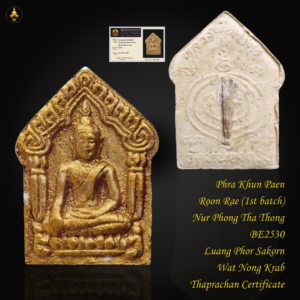
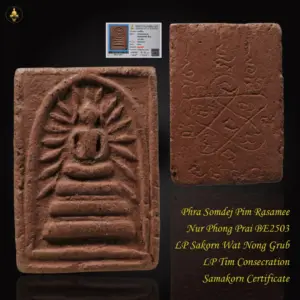
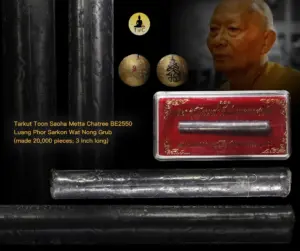
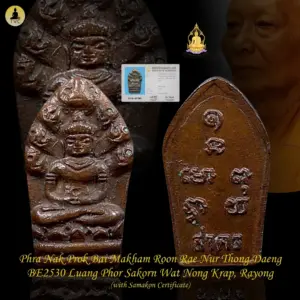
Amulets by Luang Phor Sakorn Wat Nong Krub 13 total · 8 available
![[SOLD] Phra Khun Paen Nur Phong Prai Kuman Roon 1 BE2530 Luang Phor Sakorn (Lp Sakorn) Wat Nong Krub, Rayong](https://tac-media.sgp1.digitaloceanspaces.com/2026/03/phra-khun-paen-nur-phong-prai-kuman-roon-1-be2530-luang-phor-sakorn-lp-sakorn-wat-nong-krub-rayong-300x300.webp)
Biography
Luang Phor Sakorn (หลวงพ่อสาคร ธมฺมาวุโธ)
Wat Nong Krub, Rayong • BE 2481 – BE 2556 (1938–2013)
Born on 3 Feb 1938 (BE 2481), Sakorn lost his father young and left formal schooling early. He turned
instead to the sacred arts, studying with lay adepts Mr. Lor and Mr. Thad, and spending long hours
serving the great master Luang Pu Tim of Wat Lahan Rai. From the start, his training carried a moral
spine — echoing LP Tim’s counsel: “Let people respect you, not fear you.”
On 4 June 1958 (BE 2501) he was ordained at Wat Lahan Rai and later kept Lent at Wat Lahan Rai to study
directly under LP Tim. He continued advanced studies with Venerable Father Peng Sasano (Wat Lahan Yai),
received transmission from LP Hin (Wat Nong Sanom), and completed further disciplines with LP Som
(Wat Banchong). In time he was recognized as the sole disciple who fully mastered LP Tim’s amulet-making
methods and wicha.
After LP Kliangtham Thiyo, the 9th abbot of Wat Nong Krub, passed in 1965, villagers petitioned Sakorn to
return as abbot. Though he led Nong Krub, he kept a filial devotion to LP Tim, visiting and caring for his teacher
until LP Tim’s passing in 1975.
A field story still circulates among soldiers: an officer named Navi Yotin received a Sakorn amulet that had
been soaked in the alms bowl during blessing. While on patrol he stepped on a landmine. It did not explode;
witnesses said he seemed to “lift” off the ground and came away unhurt. Gratitude flowed not for spectacle, but for
the reminder LP Sakorn repeated often: “Recollect the Triple Gem — Buddha, Dhamma, Sangha. The unseen helps at
the edge of danger. Wicha without restraint becomes trouble.”
He spoke plainly about practice: power follows the strength and steadiness of mind. Whether consecrating
with or without a thread is secondary to the quality of attention. He cautioned against using sacred objects
to stoke vanity or conflict, and preferred Brahmavihāra — loving-kindness, compassion, empathetic joy,
equanimity — as the real rule for living.
In his early years he quietly performed sakyant for disciples despite LP Tim’s dislike of tattooing;
later he focused on amulets, believing they brought people to the temple and turned their thoughts toward
the Dhamma. His creations — including prosperity pieces like the revered Ruesi Jow Sua / Xu Zu elder form —
were quickly exhausted each time they were released.
LP Sakorn also witnessed unusual rites during travels — from LP Tim’s famed “calling fish” wicha by the pond,
to Cambodian performers who made a knife vanish into a plate and reappear lodged in a coconut.
He treated such displays cautiously: “These tricks can harm; real strength is harmony between people.”
After 50+ rains in robes, Luang Phor Sakorn passed on 18 September 2013 (BE 2556). His name remains
synonymous with protection (Klaew Klaad), metta-maha-niyom, and good fortune in trade —
but always tied to the ethical core he taught: merit, mindfulness, and restraint.
Explore more from Thai Amulets Collection: browse all amulets, monk biographies, or discover katha sacred chants.
For broader context on Thai Buddhist traditions, see Thai amulets on Wikipedia.