Understand Thai Amulets
Your guide to one of the world's oldest collecting traditions — from total beginner to deep collector knowledge. Authentic, well-documented, and respectful of the heritage.
New to Thai amulets?
Five short reads. About 10 minutes total. Everything you need before your first piece.
1 What is a Thai amulet?
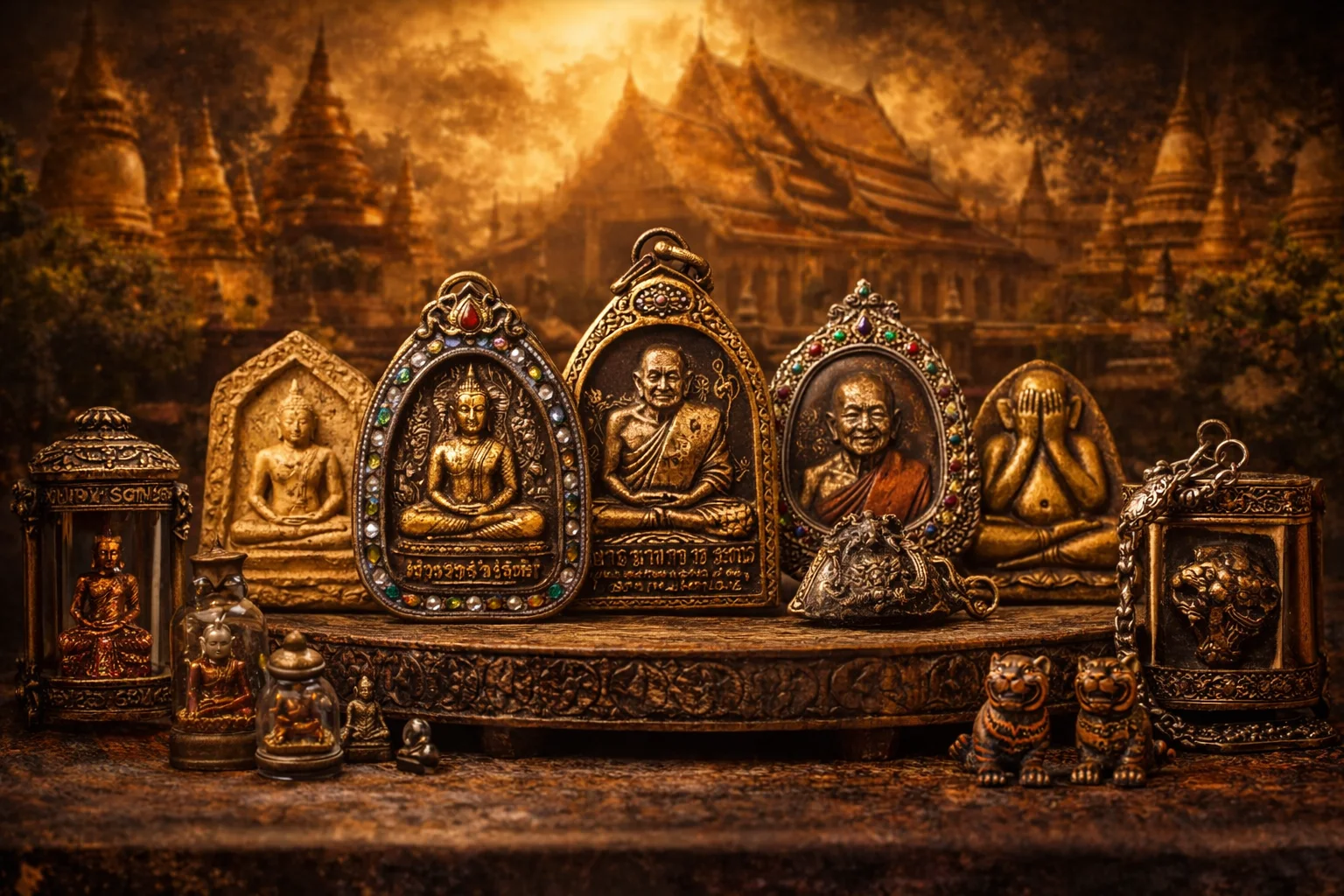
A Thai amulet (Thai: พระเครื่อง phra khrueang) is a small sacred object — usually a pendant or medallion — created and blessed by Buddhist monks in Thailand. They have been part of Thai culture for over 700 years, evolving from simple temple-made gifts into a respected collector's tradition.
Each amulet carries a spiritual intent — protection, prosperity, charm, mindfulness — and is consecrated through ritual chanting (plukseik). Many contain sacred materials: clay mixed with holy powders, metal cast at temple ceremonies, or rare elements like consecrated palm leaf, monk's robe fragments, or relic dust.
Collectors keep them for faith, art appreciation, heritage, and a tangible connection to specific temples and revered monks across Thailand.
2 Why people collect them
- Spiritual practice — a tangible daily reminder of intent and mindfulness.
- Cultural heritage — celebrating Thai Buddhist artistry going back to the Ayutthaya period.
- Artistic value — handcrafted by revered monks, often rare, often beautiful.
- Provenance & history — each piece links to a specific monk, temple, and year of consecration.
- Long-term value — historic amulets from famous monks can appreciate significantly over decades.
- Community — collectors share knowledge, attend amulet fairs (thaprachan), and learn from one another.
3 5 types every collector should know
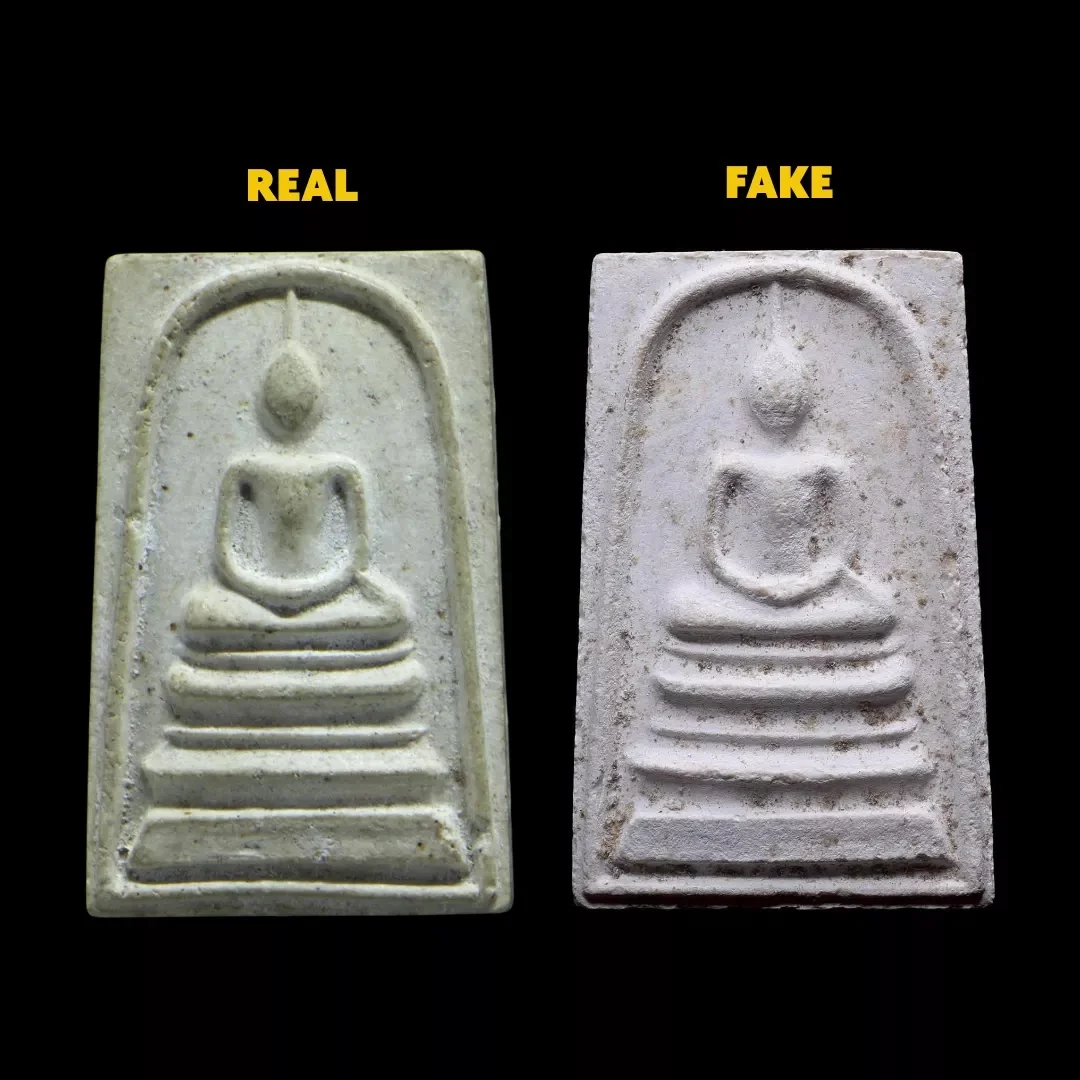
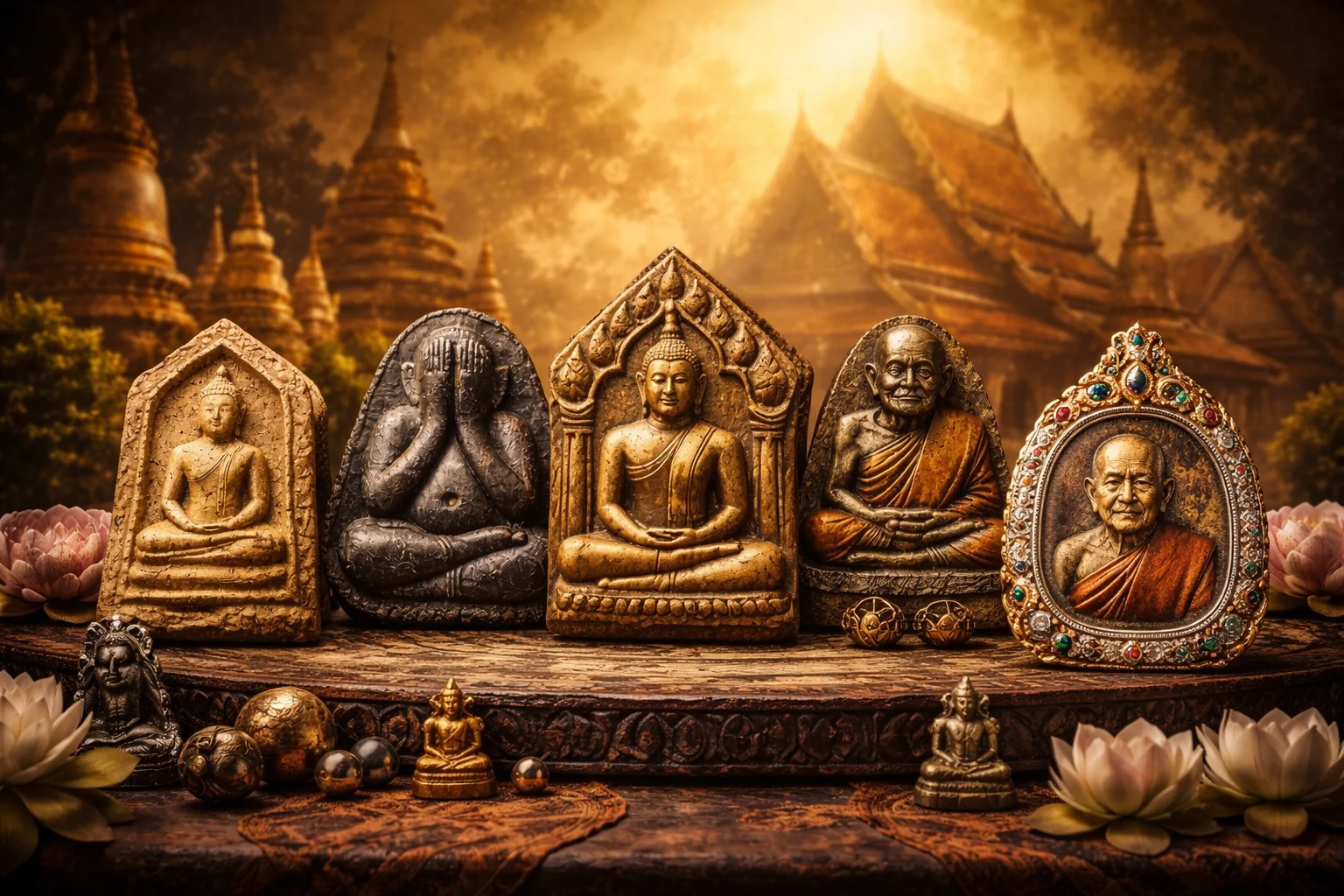
- Phra Somdej (พระสมเด็จ) — The "King of Amulets". First created by Somdej Toh in 1866 at Wat Rakang. Symbolises Buddha's enlightenment. The traditional first amulet for collectors.
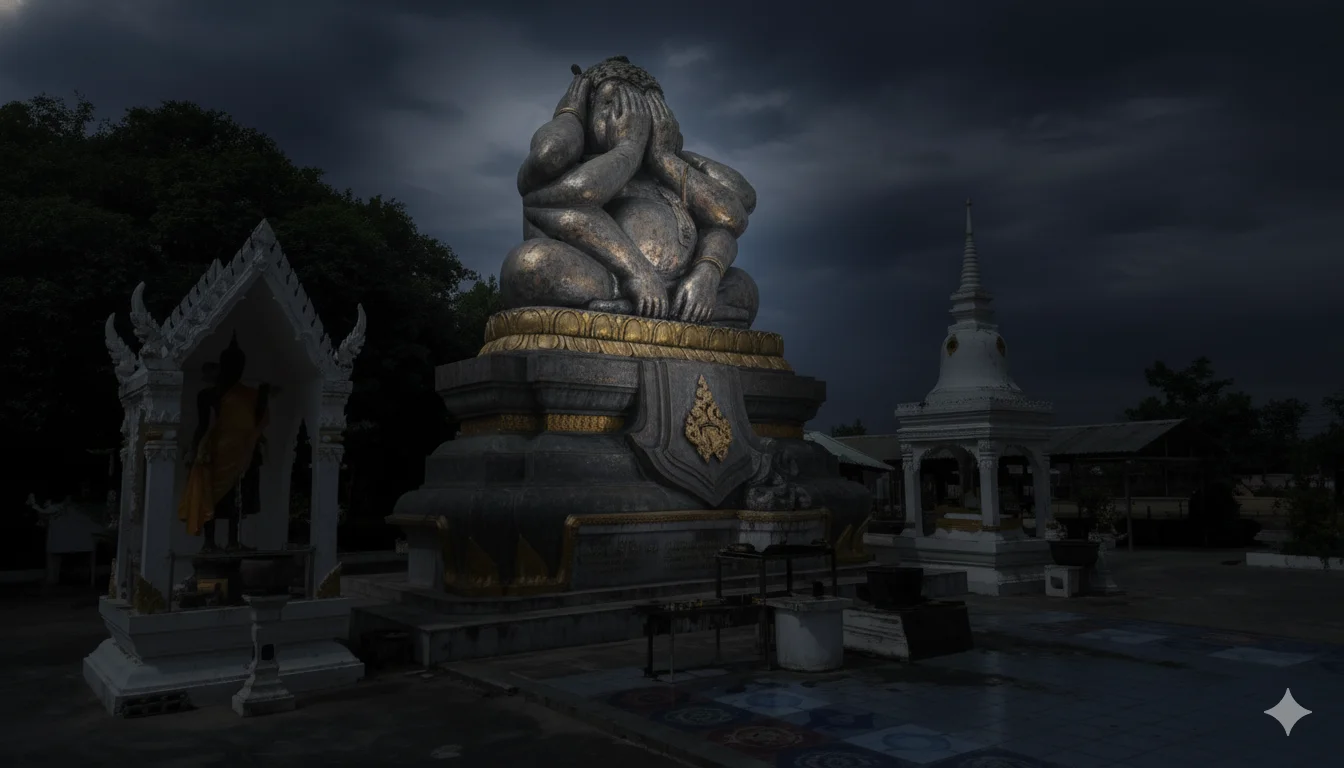
- Phra Pidta (พระปิดตา) — The "Closed Eyes Buddha", who covers his eyes to shield from harm. Worn widely for protection.
- Phra Khun Paen (พระขุนแผน) — Based on the legendary 16th-century warrior. Associated with charm, attraction, influence, and success in social and business life.
- Luang Pu Thuad (หลวงปู่ทวด) — Image of the great 17th-century monk. Famous for protecting wearers from accidents, especially while travelling.
- Wat-Specific amulets — Amulets unique to a specific temple, carrying that temple's distinct lineage. Examples: Wat Rakang, Wat Pak Nam, Wat Phra Kaeo.
4 Choosing your first amulet
Start with intent, not aesthetics. Ask yourself what you hope to bring into your life — then choose a type aligned to that intent.
5 How to buy safely
- Provenance matters — know which monk consecrated it, at which temple, in what year.
- Certificate of authenticity — reputable dealers provide documentation from amulet societies (Thaprachan, G-Pra).
- Established dealer — track record, references, and longevity in the community matter.
- Don't chase bargains — if a 1950s Luang Pu Thuad sells for S$50, it is almost certainly counterfeit.
- Ask questions — legitimate dealers welcome scrutiny. Vague answers are a red flag.
- Money-back guarantee — established dealers stand behind authenticity disputes.
Amulet type guides
View all →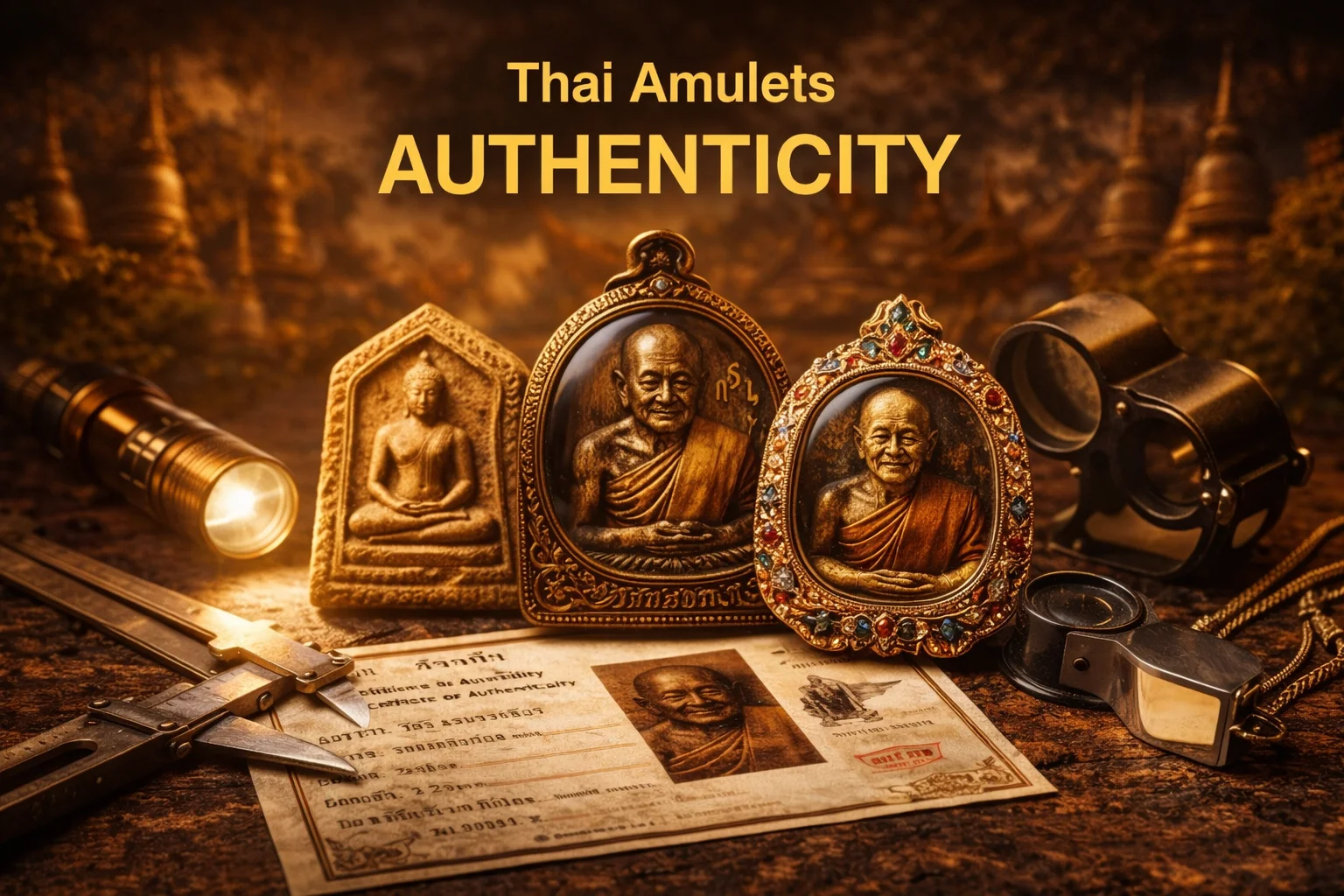
Monk biographies
View all 214 →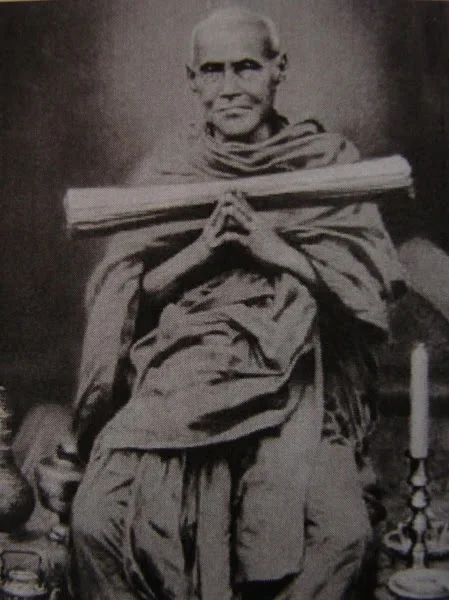
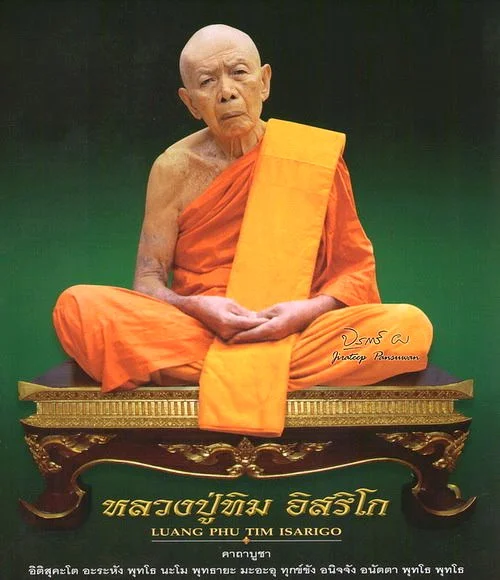
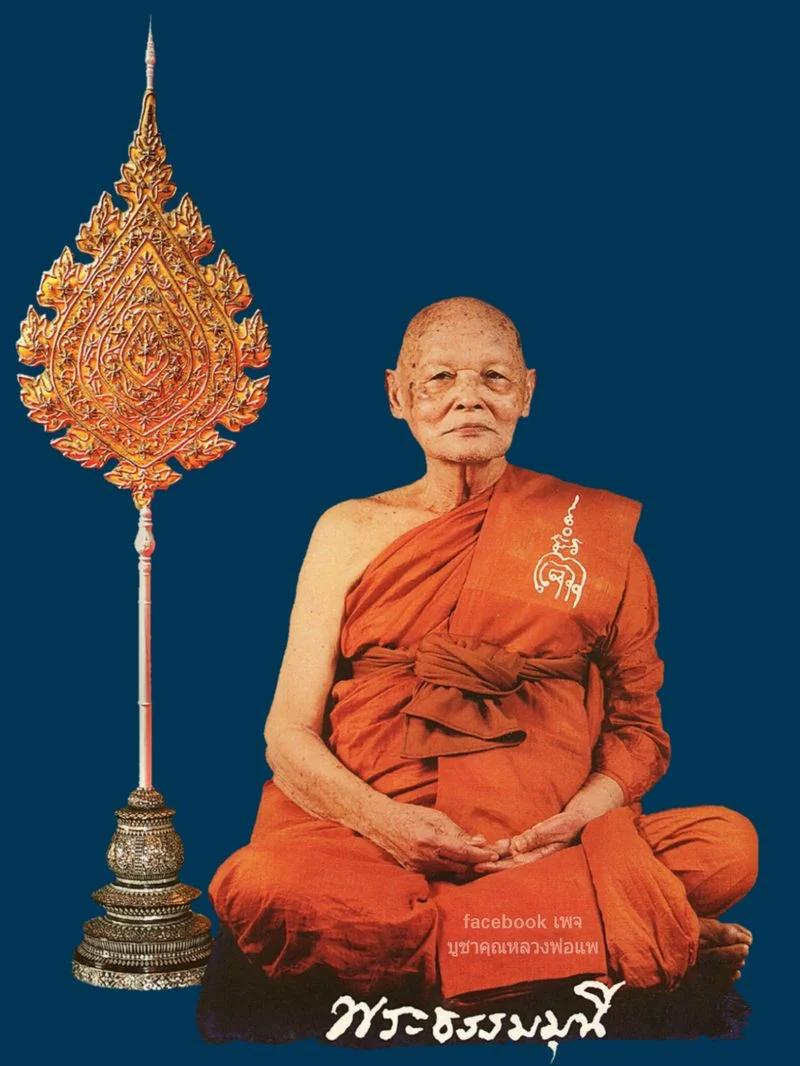
Temple encyclopedia
View all →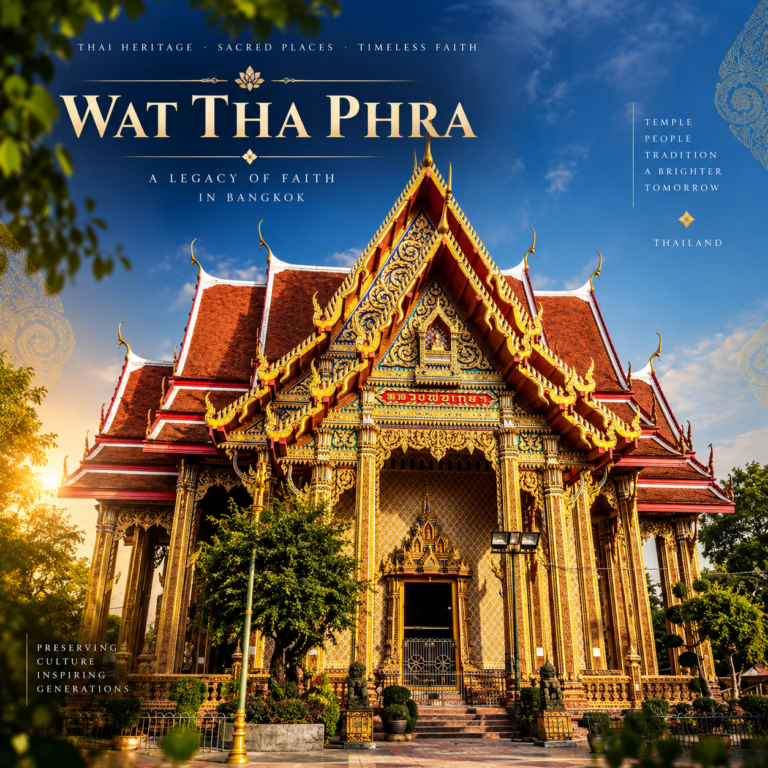
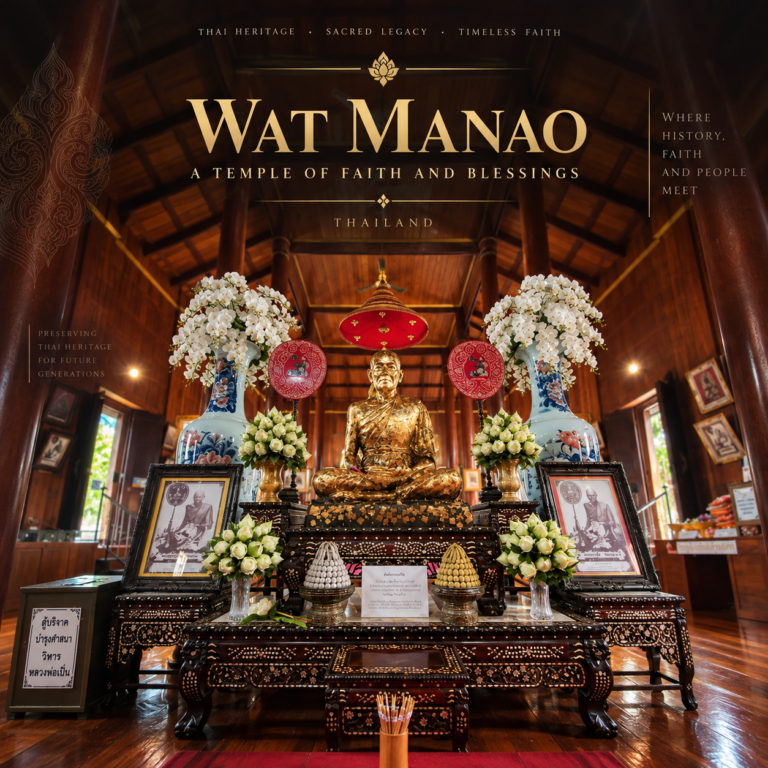
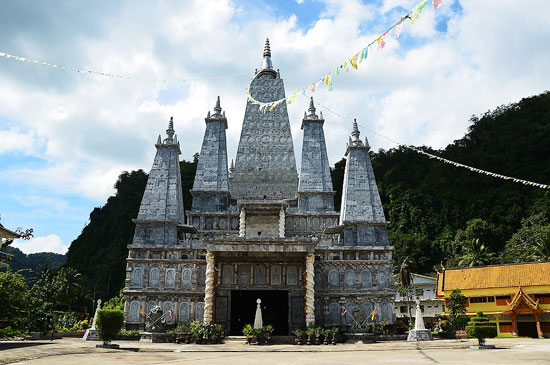
Buying with confidence
Every piece in our collection comes with documented provenance and a standing money-back guarantee. We've been doing this since 2015 from Singapore.
Every amulet is traced to a specific monk, temple, and consecration year. No "mystery" stock.
If authenticity is ever disputed by a recognised certification body, full refund.
Sourced directly through long-standing temple and dealer relationships built over a decade.
Encrypted payments via Stripe. We never store your card details.
Frequently asked questions
Common questions from new collectors. If your question isn't here, message us on WhatsApp.
What is a Thai amulet?
A Thai amulet is a small sacred Buddhist object — typically a pendant or medallion — created and consecrated by monks in Thailand. They have been part of Thai culture for over 700 years and carry spiritual intent such as protection, prosperity, or charm. Each piece is blessed through ritual chanting and often contains sacred materials.
Are Thai amulets only for Buddhists?
No. While Thai amulets are rooted in Theravada Buddhism, anyone can wear them respectfully. The protective energy is believed to work regardless of the wearer's religious background — many non-Buddhist collectors wear them for blessing, focus, or cultural appreciation.
How much should I pay for my first Thai amulet?
A starter amulet from an active monk typically costs S$50–300. Vintage pieces from revered masters can be much higher. Beware of "rare" historical amulets at suspiciously low prices — authenticity has a real cost, and a Luang Pu Thuad from the 1950s will never legitimately sell for under a few hundred dollars.
Which amulet type is best for beginners?
Phra Somdej is the most traditional first amulet — it's considered the "King of Amulets" and represents general blessing and spiritual focus. Phra Pidta (the closed-eyes Buddha) is also popular for daily protection. Both are available across a wide price range.
How do I know if a Thai amulet is authentic?
Authenticity rests on four signals: documented provenance (which monk, which temple, which year), certification from recognised amulet societies (Thaprachan, G-Pra), purchase from a dealer with track record, and consistency in materials and craftsmanship for that era. Our authentication guide goes into detail.
How should I wear my Thai amulet?
Wear it on a chain around the neck, ideally above the waist as a sign of respect. Many wear it inside the shirt rather than visibly. Never let an amulet touch the ground, and avoid placing it in a back pocket. Treating it with reverence is considered essential to its energy.
Can I clean my Thai amulet?
Generally, no — especially with older clay or sacred-powder amulets. Cleaning can disturb the consecration materials and the energy from the original blessing. If your amulet is dirty, gently wipe with a dry soft cloth. Never use water, alcohol, or polish on antique pieces.
Why do some Thai amulets cost thousands of dollars?
Price reflects age, rarity, the monk's reputation, historical significance, condition, and demand. A first-edition Luang Phor Ngern from the early 1900s in good condition can fetch six figures. Newer or less-revered pieces are very accessible.
What is the difference between Phra Somdej and Phra Khun Paen?
Phra Somdej focuses on spiritual enlightenment, peace, and general life blessing. Phra Khun Paen is associated with charm, attraction, popularity, and success in social and romantic contexts. Many collectors wear both for different purposes.
Is it safe to buy Thai amulets online?
Yes — when purchasing from an established dealer with verifiable provenance, transparent documentation, and money-back guarantees for authenticity disputes. We have shipped to collectors in 30+ countries since 2015 with full provenance records on every piece.
What does the BE year on a Thai amulet mean?
BE (Buddhist Era) is the Thai dating system, running 543 years ahead of the Gregorian calendar — so BE 2515 equals 1972 CE. The BE year on an amulet records the year of its consecration ceremony, which collectors use to identify the production batch, the consecrating monk's life stage, and the amulet's place in the temple's historical record.
What is Samakom certification for Thai amulets?
Samakom certificates are issued by Samakom Phra Krueng Khong Khong (สมาคมพระเครื่อง), a Thai collector association that authenticates amulets through expert panel review. A Samakom-certified amulet carries a serial-numbered card matching the piece's physical markers — widely respected as the most authoritative provenance signal among Thai, Singapore, and Malaysia collectors.
What is G-Pra certification?
G-Pra (G-Pra Center) is one of Thailand's largest amulet authentication services, issuing certificates with photo records and serial numbers after physical and photographic examination. Collectors treat G-Pra certificates alongside Samakom and Thaprachan as the three principal third-party authentication bodies — each with slightly different specialisation and acceptance across collector communities.
Ready to explore?
Browse 800+ documented amulets, or ask us anything.