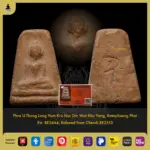
![[SOLD] Phra Somkor Pim Rasami Nur Din BE2507 Luang Phor Sawang Wat Tha Phuttha Thai amulet](https://tac-media.sgp1.digitaloceanspaces.com/2026/03/phra-sum-kor-pim-rasami-nur-din-be2507-luang-phor-sawang-wat-tha-phuttha-1024x1024.webp)
[SOLD] Phra Somkor Pim Rasami Nur Din BE2507 Luang Phor Sawang Wat Tha Phuttha
| Type | Phra Som Kor |
| Monk | Luang Phor Sawang Uttaro, Wat Tha Phuttha, Kamphaeng Phet |
| Temple | Wat Tha Phuttha |
| B.E. Year | 2507 |
| Material | Nur Din |
| Condition | Good |
| SKU | TAC-0388 |
Phra Sum Kor Pim Rasami • Nur Din BE2507 / CE1964 • Wat Tha Phuttha, Kamphaeng Phet • Associated with Luang Phor Sawang Uttaro • Classic Sum Kor lineage in sacred clay Overview of the
Phra Somkor Pim Rasami • Nur Din
BE2507 / CE1964 • Wat Tha Phuttha, Kamphaeng Phet • Associated with Luang Phor Sawang Uttaro • Classic Sum Kor lineage in sacred clay
Amulet Information
Name: Phra Somkor Pim Rasami
Material: Nur Din (sacred clay)
Year: BE2507 / CE1964
Temple: Wat Tha Phuttha, Kamphaeng Phet
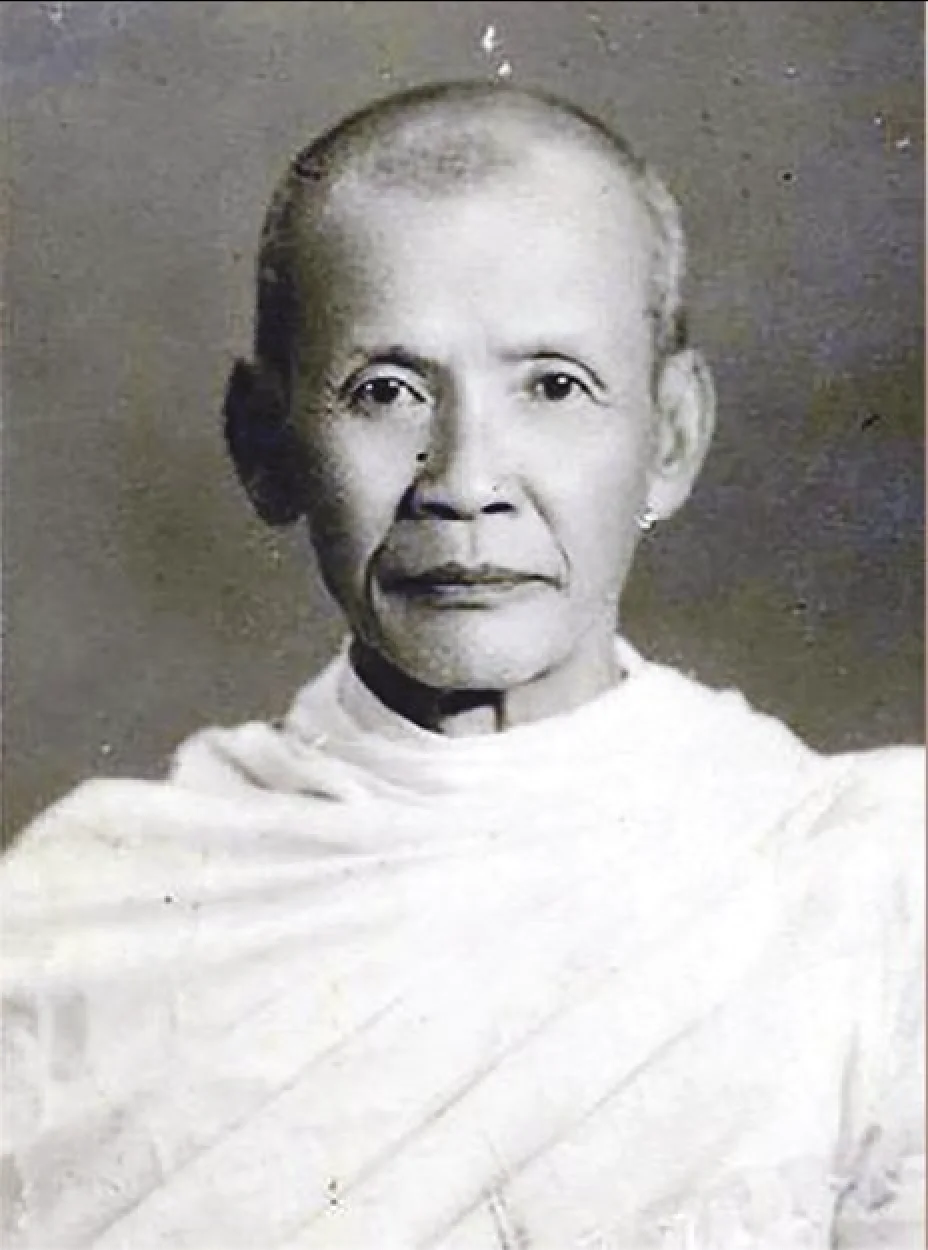
Monk: Luang Phor Sawang Uttaro
Variant: Pim Rasami (radiant halo mold)
Size: 2.04 cm (W) × 2.64 cm (H)
Lineage Note: A Kamphaeng Phet-inspired Somkor issue associated with Luang Phor Sawang and rooted in the provincial sacred clay tradition.
SKU: TAC-LPSAWANG-SUMKOR-RASAMI-BE2507-001
Price:
SGD 128
What This Piece Represents (Collector Lens)
Phra Somkor is one of the most iconic Buddha amulet forms associated with Kamphaeng Phet, and that alone gives this piece strong cultural gravity. This BE2507 example is especially appealing because it bridges an ancient provincial visual language with a modern temple release associated with Luang Phor Sawang of Wat Tha Phuttha. The Pim Rasami identity matters because it gives the amulet a clear named mold rather than leaving it as a generic Sum Kor. For collectors, that improves readability and long-term study value. For devotees, it preserves the familiar haloed Buddha composition that makes Sum Kor instantly meaningful.
History & Lineage — Phra Somkor Pim Rasami (Wat Tha Phuttha, Kamphaeng Phet)
Kamphaeng Phet is inseparable from the Somkor Kor tradition. That provincial identity is so strong that later-period Sum Kor amulets are often understood through their relationship to the older regional sacred image rather than as isolated modern creations. In this case, the BE2507 attribution and the association with Luang Phor Sawang place the amulet within a moment of temple-centered devotional continuity, where an ancient form was being renewed for contemporary devotees.
Wat Tha Phuttha serves as the lineage anchor here. A Somkor from this temple is not merely borrowing a famous shape; it is participating in the wider Kamphaeng Phet sacred current. That context helps explain why pieces like this remain appreciated by both collectors and devotees. They carry the dignity of a recognized regional Buddha form while remaining accessible as wearable mid-20th-century sacred objects.
About the Material — Nur Din Composition
Nur din, or sacred clay, is especially appropriate for Somkor amulets because the historic Kamphaeng Phet tradition itself is deeply tied to clay and earthen sacred bodies. Clay allows the amulet to preserve a quieter and more organic surface character than many metallic forms. Collectors usually study the grain, dryness, herbal or mineral inclusions, edge wear, and overall body stability to understand how naturally the piece has matured.
- Sacred composition: Nur Din links the amulet to the long-established clay tradition of Kamphaeng Phet-style Buddha tablets.
- Collector observation: Grain texture, small inclusions, and edge maturity are key reading points.
- Visual effect: Clay bodies often enhance the soft, ancient mood of the Sum Kor form.
Design / Pim / Variant Notes
The defining feature here is the Rasami or radiant halo mold. In practical terms, that means the Buddha image is framed by a more luminous surrounding structure, giving the front a stronger aura-like presence than flatter variants. Collectors often compare the halo proportion, body posture, arch contour, and the calmness of the seated Buddha form. The dimensions also place the piece within a highly wearable and portable format, which is one reason amulets of this class remain easy to appreciate both devotionally and as study objects.
Front view — the Buddha form and Rasami halo profile in full presentation.
Back view — reverse surface tone, clay character, and age consistency.
Side profile — depth of pressing and edge behavior for collector reference.
Detailed close-up — soft-grain Nur Din texture and body maturity.
Additional reverse detail — subtle body character and natural markings.
Traditional Spiritual Attributes & Metaphysical Properties
In Thai devotional culture, Phra Somkor amulets are widely associated with protection, fortunate livelihood, and a reputation for never leaving the wearer destitute. When tied to a respected provincial master such as Luang Phor Sawang, devotees may also view the piece as carrying stronger metta, steadiness, and life support in times of uncertainty. These meanings belong to traditional Thai belief and should be understood as devotional interpretations rather than measurable claims.
- Protection: Often regarded as supportive against danger, obstacles, and instability.
- Metta: Many devotees believe the amulet encourages goodwill and smoother human relations.
- Fortunate Support: Sum Kor lineages are traditionally linked with livelihood help and auspicious opportunities.
Rarity Assessment & Collector Significance
This piece is attractive to collectors because it combines several useful strengths at once: a recognized Kamphaeng Phet-derived Buddha type, a named mold, a temple and monk attribution, a mid-century BE2495 dating, and a full visual reference set. That combination makes it more readable and more study-worthy than a vague Sum Kor listing with incomplete documentation. In practice, named and clearly photographed powder amulets from defined temple lineages tend to hold collector attention more reliably over time.
Conclusion
Phra Somkor Pim Rasami Nur Din BE2507 associated with Luang Phor Sawang of Wat Tha Phuttha is a strong devotional and collector example of the continuing Kamphaeng Phet Sum Kor tradition. Its radiant-halo mold gives it clear visual identity, while the sacred clay body preserves the soft and grounded atmosphere that suits the form so well. For devotees, it remains a meaningful protective Buddha amulet. For collectors, it is a named and well-documented Sum Kor type with clear reference value.
Attributes reflect Thai Buddhist devotional tradition and are not measurable claims.
![[SOLD] Phra Sum Kor Pim Rasami Nur Din BE2507 Luang Phor Sawang (Lp Sawang) Wat Tha Phuttha, Kamphaeng Phet](https://tac-media.sgp1.digitaloceanspaces.com/2026/03/sold-phra-sum-kor-pim-rasami-nur-din-be2507-luang-phor-sawang-lp-sawang-wat-tha-phuttha-kamphaeng-phet-150x150.webp)