Chao Khun Tieng (CK Tieng) (Phra Thammathirat Ratchamuni) Wat Rakang Kositaram
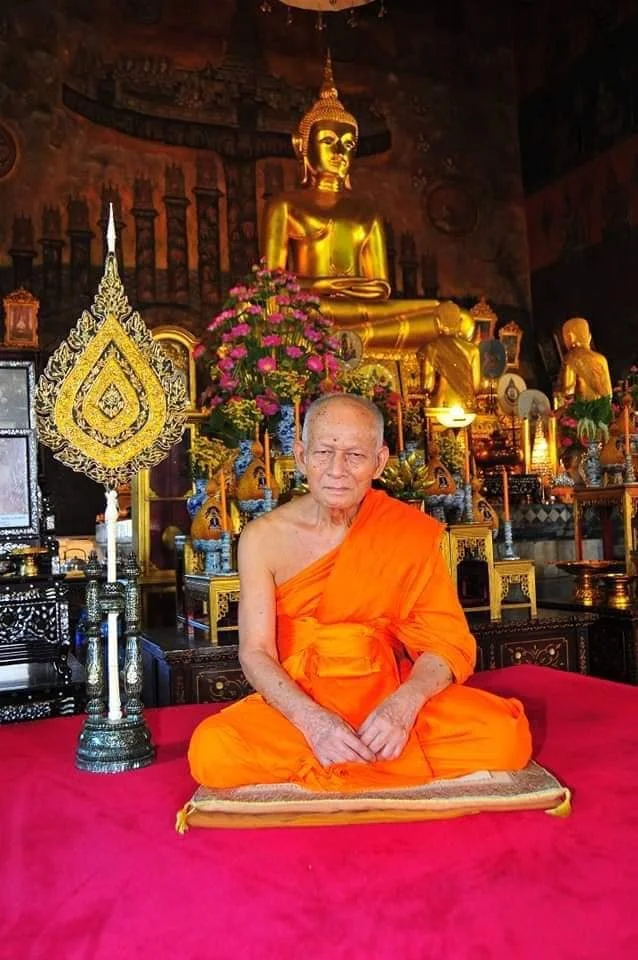
Chao Khun Tieng (Phra Thammathirat Ratchamuni) — Wat Rakang Kositaram Phra Thammathirat Ratchamuni, widely revered under the name Chao Khun Thiang, served as abbot of Wat Rakhang Khositaram and stands among the most respected monk-scholars of his generation at this historically significant Bangkok temple. He lived from BE 2478 to BE 2564 (1935–2021), spending 63 ... Read more ↓
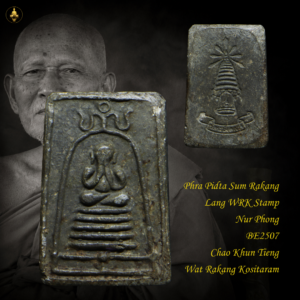
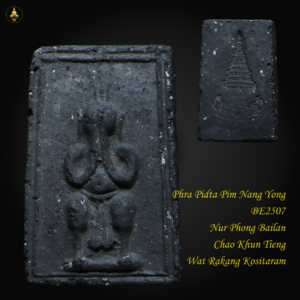
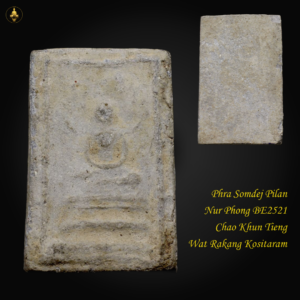
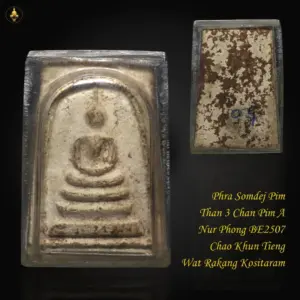
Amulets by Chao Khun Tieng (CK Tieng) (Phra Thammathirat Ratchamuni) Wat Rakang Kositaram 33 total · 31 available
Biography
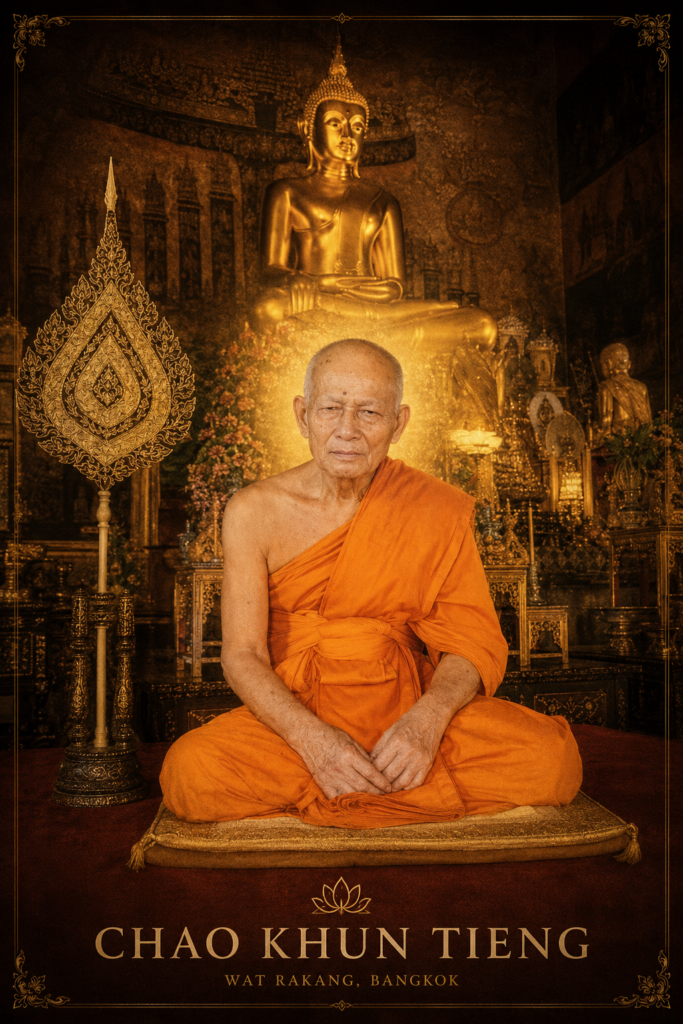
Chao Khun Tieng (Phra Thammathirat Ratchamuni) — Wat Rakang Kositaram
Phra Thammathirat Ratchamuni, widely revered under the name Chao Khun Thiang, served as abbot of Wat Rakhang Khositaram and stands among the most respected monk-scholars of his generation at this historically significant Bangkok temple. He lived from BE 2478 to BE 2564 (1935–2021), spending 63 years in the monkhood before passing away peacefully at the age of 85.
Passing and legacy
Chao Khun Thiang passed away on 8 March 2021 at 7:40 p.m. at Thonburi Hospital 2, following a blood infection. His death marked the close of a monastic career defined by scriptural scholarship, charitable works, and the continuation of the Somdej Phutthachan To Phrommarangsi lineage at Wat Rakhang Khositaram.
Early life and ordination
Born Thiang Chukratok on 16 April 1935 in Ban Don Chomphu, Bing Subdistrict, Non Sung District, Nakhon Ratchasima Province, he was the son of Mr. Poy and Mrs. Si Chukratok. After completing his fourth-grade education, he was ordained as a novice at Wat Samorai in his hometown under the guidance of Phra Khru Phrommawihan, before being sent to study Buddhist scriptures at Wat Rakhang Khositaram in Bangkok.
At the age of 20, he received full ordination as a monk on 1 May 1958 at Wat Ban Don Chompoo, Non Sung District, with Phra Khru Pinijyatikam serving as his preceptor.
Monastic career at Wat Rakhang Khositaram
Following ordination, Chao Khun Thiang returned to Wat Rakhang Khositaram to continue his studies, ultimately passing the 9th level of the Buddhist scriptures examination — the highest tier of the Thai Pali examination system. His scholarly achievements and exemplary conduct led progressively to senior administrative responsibilities:
- Appointed assistant abbot of Wat Rakhang Khositaram
- Appointed abbot of Wat Rakhang Khositaram in 2007
- Appointed advisor to the Sangha Region 11
During his time at the temple, he studied under renowned monks including Luang Pu Nak and Luang Pu Hin, both of whom transmitted the teachings of Somdej Phutthachan To Phrommarangsi. He was also a practised composer of Dharma poetry and maintained consistent involvement in charitable activities throughout his abbotship.
Amulet creation and consecration
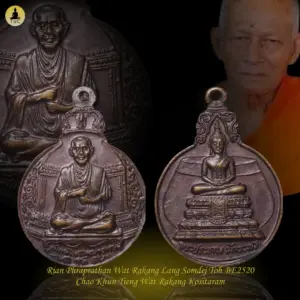
Chao Khun Thiang was a sought-after presiding master for Buddha Abhiseka (consecration) ceremonies and was regularly invited to bless amulets on behalf of temples and devotee groups across Thailand and abroad.
His most noted personal creations include:
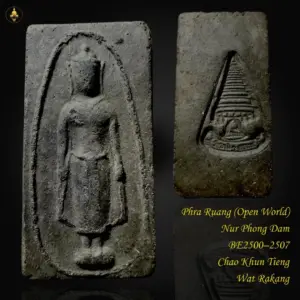
- Clay Somdej amulets — pressed from sacred Thai clay left over from the casting of Somdej To’s image
- Clay Pidta amulets — likewise produced from the same consecrated clay source
Both categories are characteristically burnt black in colour, a result of the firing process applied to the sacred clay. These pieces are recognised among collectors for their direct material connection to the Somdej To lineage at Wat Rakhang Khositaram, and they attracted a following among disciples from Thailand, as well as from overseas collector communities.
Explore more from Thai Amulets Collection: browse all amulets, monk biographies, or discover katha sacred chants.
For broader context on Thai Buddhist traditions, see Thai amulets on Wikipedia.
Frequently asked questions
Who was Chao Khun Thiang of Wat Rakhang Khositaram?
Chao Khun Thiang, formally known as Phra Thammathirat Ratchamuni, was the abbot of Wat Rakhang Khositaram in Bangkok. He lived from BE 2478 to BE 2564 (1935–2021) and spent 63 years in the monkhood, reaching the highest level of the Thai Pali scripture examination and serving his temple community in both scholarly and administrative capacities.
What amulets is Chao Khun Thiang best known for creating?
Chao Khun Thiang is primarily associated with clay Somdej amulets and clay Pidta amulets, both pressed from sacred Thai clay left over from the casting of Somdej To’s image. These amulets are distinguishable by their burnt black colour and are valued for their material connection to the Somdej Phutthachan To Phrommarangsi lineage at Wat Rakhang Khositaram.
What is the significance of the clay used in Chao Khun Thiang’s amulets?
The clay was sourced from material remaining after the casting of an image of Somdej Phutthachan To Phrommarangsi, the highly venerated 19th-century monk most closely identified with Wat Rakhang Khositaram. This direct material lineage is central to the spiritual and collectible significance of the amulets.
Under which monks did Chao Khun Thiang study?
At Wat Rakhang Khositaram, Chao Khun Thiang studied under Luang Pu Nak and Luang Pu Hin, both of whom transmitted the teachings of Somdej Phutthachan To Phrommarangsi. Earlier in his novitiate, he trained under Phra Khru Phrommawihan at Wat Samorai in Nakhon Ratchasima Province.
When and where was Chao Khun Thiang ordained?
He was ordained as a novice at Wat Samorai in his hometown of Ban Don Chomphu, Nakhon Ratchasima Province. His full ordination as a monk took place on 1 May 1958 at Wat Ban Don Chompoo, Non Sung District, with Phra Khru Pinijyatikam serving as preceptor.
What administrative roles did Chao Khun Thiang hold?
He served as assistant abbot of Wat Rakhang Khositaram before being appointed abbot in 2007. He was also appointed advisor to the Sangha Region 11, reflecting the recognition he received for his contributions to Buddhist teaching and administration.