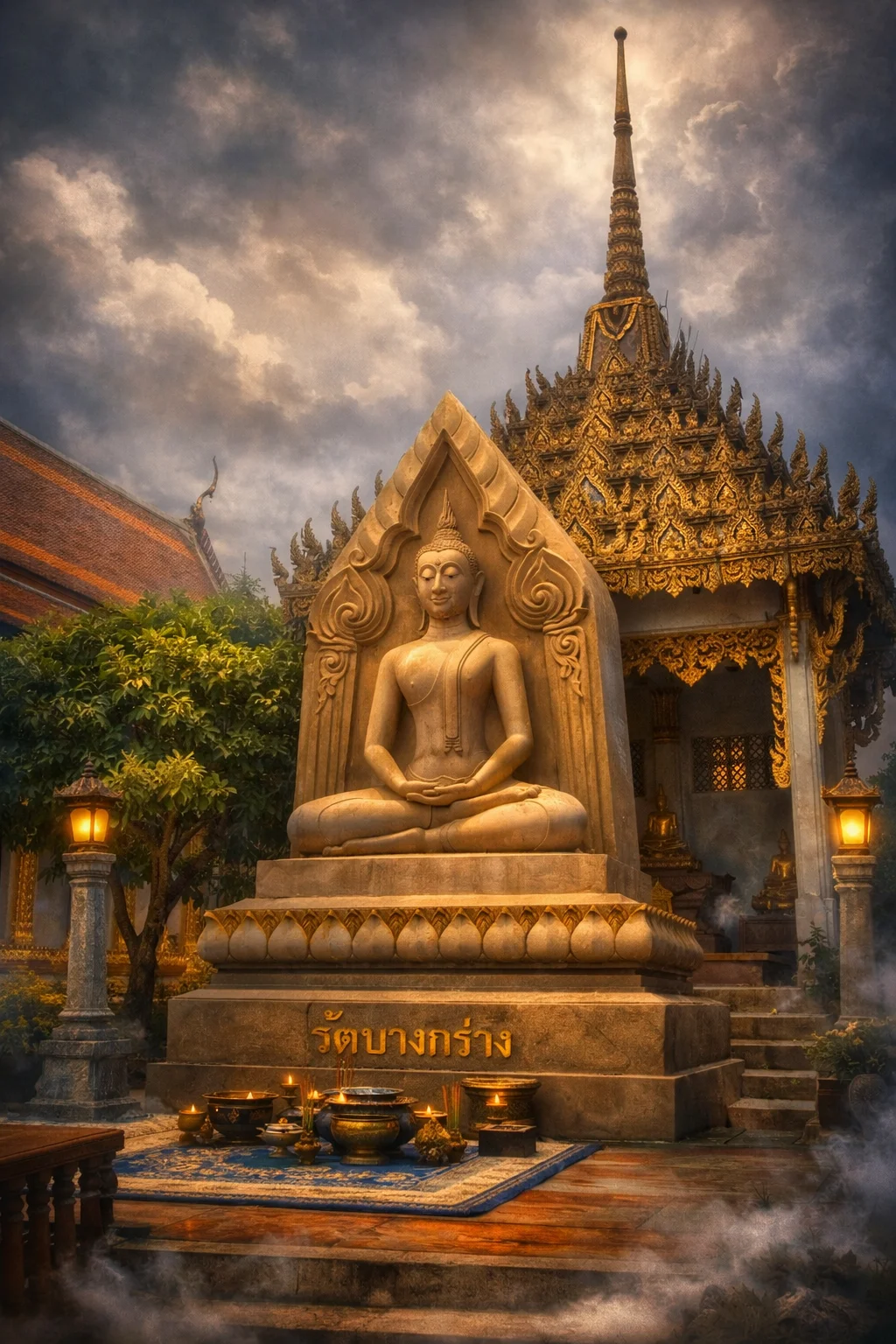
Chapter 3 – The Battle for Love and Honour
Discover Chapter 3 - The Battle for Love and Honour — the legendary tale of Khun Phaen, Wanthong & Khun Chang. Singapore's trusted Thai amulet storytelling resource.
Chapter 3 – The Battle for Love and Honour — History and Significance
Chapter 3 – The Battle for Love and Honour is one of the most celebrated chapters in the epic Thai literary saga of Khun Chang Khun Phaen, a story deeply woven into Thai Buddhist tradition and the cultural identity of the Ayutthaya era. For collectors in Singapore, Malaysia, and across Greater China, understanding this chapter is essential to appreciating the spiritual symbolism embedded in Thai amulet history. The tale of Khun Phaen’s return from war — and his fateful reunion with Wanthong — forms the emotional and moral bedrock upon which many sacred amulets honouring warrior spirits are consecrated.
The events of this chapter unfold in the ancient province of Suphanburi and the royal capital of Ayutthaya, two locations that remain deeply significant in Thai Buddhist tradition to this day. Khun Phaen, once a humble youth from Suphanburi, returns from war as a celebrated hero only to discover that the woman he loves has been wed to his rival, Khun Chang. This collision between personal honour, royal law, and the enduring power of love resonates across centuries and cultures.
The narrative is not merely a love story — it is a moral framework that explores loyalty, justice, and sacrifice. These are the very virtues celebrated in authentic Thai amulet craftsmanship, where warrior and devotional figures are consecrated to embody courage, faithfulness, and spiritual protection.
Origins and Historical Context of Chapter 3 – The Battle for Love and Honour
Chapter 3 – The Battle for Love and Honour is set against the backdrop of the Ayutthaya Kingdom, one of Southeast Asia’s most powerful and culturally sophisticated empires, which flourished from 1351 to 1767 CE. The story of Khun Chang Khun Phaen is believed to have originated as oral verse during this period, later compiled and formalised during the early Rattanakosin era under royal patronage. Its themes of military duty, royal decree, and romantic tragedy reflect the real political and social tensions that defined Ayutthaya court life.
Suphanburi Province, where Khun Phaen was born and to which he returns in this chapter, holds a particularly sacred place in Thai amulet history. The province is home to Wat Pa Lelai and other ancient temples deeply associated with warrior spirituality and protective amulet traditions. Collectors seeking warrior amulet types connected to Khun Phaen’s legacy will find that many originate from or are spiritually linked to Suphanburi’s sacred sites.
The king depicted in this chapter exercises both compassion and firm adherence to law — sentencing Khun Phaen to the royal prison while clearly moved by his dignity and honesty. This portrayal reflects the Ayutthayan ideal of a just monarch, a concept central to Thai Buddhist governance and one that informs the spiritual authority attributed to royal-era amulets consecrated under kingly blessing.
Key Events and Sacred Significance in Chapter 3 – The Battle for Love and Honour
Upon returning to Suphanburi beneath a full moon, Khun Phaen first visits a temple to offer incense and seek the protection of the spirits for Wanthong — a gesture that mirrors the ritual devotion practised by collectors of authentic Thai amulets. The offering of incense at a temple before confronting life’s hardships is a cornerstone of Thai Buddhist tradition, and this scene anchors Khun Phaen’s character firmly within that spiritual framework.
When Khun Chang reports Khun Phaen to the authorities out of jealousy, soldiers surround Khun Phaen’s dwelling before dawn. He fights with composure and controlled strength — the hallmark of a warrior empowered not by rage but by righteousness. Rather than slaughter his own countrymen, he surrenders, a choice that demonstrates the moral discipline celebrated in warrior-spirit amulets consecrated for protection without aggression.
In the royal court of Ayutthaya, Khun Phaen delivers one of the saga’s most memorable declarations: “If love be a crime, then I am guilty.” His words shame the courtiers into silence and move the king himself, though royal order must prevail. He is sentenced to the royal prison — yet his release is ultimately secured by military necessity, as the northern provinces rebel and the king’s generals famously argue, “A caged tiger cannot defend the realm.” This arc — imprisonment, redemption through loyal service, and return to battle — forms the spiritual template for amulets honouring Khun Phaen as a figure of enduring strength and unwavering love.
Impact on Thai Amulet Tradition and Collector Value
The story told in Chapter 3 – The Battle for Love and Honour has directly shaped the iconography and consecration intent of Khun Phaen amulets, which are among the most sought-after pieces in Thai amulet history. These amulets are consecrated to bestow metta (loving-kindness), personal magnetism, courage in adversity, and protection against those who act out of envy or false accusation — all themes that resonate powerfully with this chapter’s narrative. The Thai Buddhist amulet tradition recognises Khun Phaen as both a historical-literary hero and a spiritual archetype whose energy can be harnessed through properly consecrated sacred objects.
For collectors in Singapore, Taiwan, Hong Kong, and Malaysia, Khun Phaen amulets occupy a special category that blends literary reverence with spiritual utility. An authentic Thai amulet bearing Khun Phaen’s likeness is valued not only for its material quality and monk lineage but for the depth of blessing intent it carries — specifically the power to attract love, dissolve enmity, and endure hardship with grace.
The moral arc of this chapter — a hero imprisoned for love, released for duty, and forever bound to both — elevates Khun Phaen amulets above mere good-luck charms. They are devotional objects that encode a complete philosophy of honourable living, making them prized centrepieces in serious collectors’ displays across Southeast Asia and Greater China.
Chapter 3 – The Battle for Love and Honour — Collector Guide for Singapore and Southeast Asia
For collectors in Singapore and the broader Southeast Asian market, engaging with Chapter 3 – The Battle for Love and Honour enriches the appreciation of any Khun Phaen amulet in your collection. Authenticity is paramount — an authentic Thai amulet connected to this tradition should carry clear documentation of its temple origin, the presiding monk’s lineage, and the specific consecration ceremony (phutthaphisek) conducted. Suphanburi-origin pieces and those blessed at Ayutthaya-era temple sites carry the strongest provenance alignment with this chapter’s themes.
When evaluating Thai amulet Singapore market offerings, prioritise dealers who can speak to the narrative and spiritual intent behind each piece, not merely its physical attributes. A Khun Phaen amulet consecrated with metta and kong grapan (invulnerability) blessings, linked to the warrior’s story of love and honour, represents one of the most complete expressions of Thai amulet history available to the modern collector.
Frequently asked questions
Chapter 3 – The Battle for Love and Honour is an important chapter in Thai Buddhist amulet tradition. This article explores its historical context, key figures, and lasting influence on the collector community.
Understanding the history behind Thai amulets deepens appreciation for their spiritual and cultural value. This knowledge helps collectors make more informed decisions.
Thai Amulets Collection offers an extensive knowledge base including monk biographies, temple guides, and historical articles. Visit our Learn section for more.