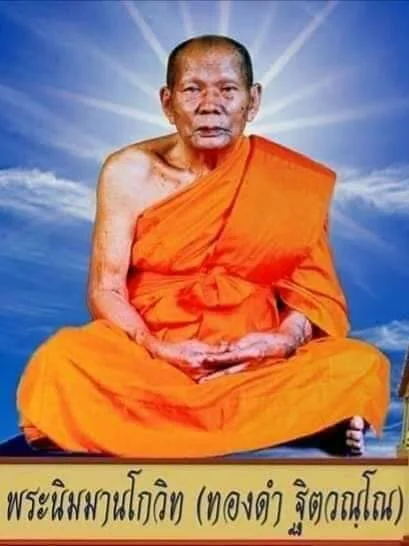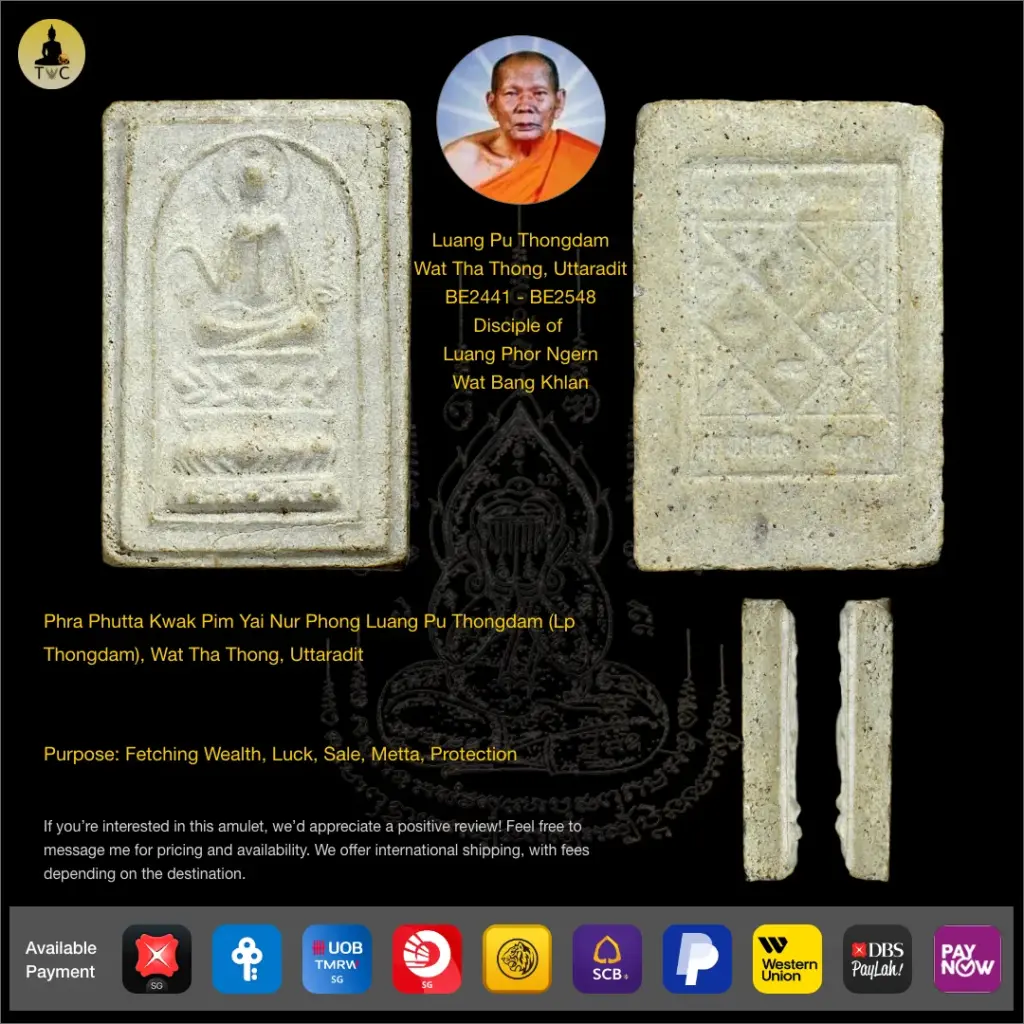
Phra Phutta Kwak Pim Yai Nur Phong Luang Pu Thongdam (Lp Thongdam), Wat Tha Thong, Uttaradit
| Type | Phra Somdej |
| Monk | Luang Pu Thongdam (Lp Thongdam) Wat Tha Thong, Uttaradit |
| Temple | Wat Tha Thong |
| B.E. Year | 2512 |
| Material | Phong |
| Condition | Good |
| SKU | TAC-0476 |
Phra Phutta Kwak Pim Yai • Nur Phong BENot available • Wat Tha Thong, Uttaradit • Luang Pu Thongdam • Wat Tha Thong Overview of a Phra Phutta Kwak Pim Yai in เนื้อผง (nur phong, sacred pow
Phra Phutta Kwak Pim Yai • Nur Phong
Wat Tha Thong, Uttaradit • Luang Pu Thongdam • Wat Tha Thong
Overview of a Phra Phutta Kwak Pim Yai in เนื้อผง (nur phong, sacred powder), a form devotees often associate with เมตตา (metta, warm regard) and auspicious welcoming energy in Thai amulet culture.
What This Piece Represents (Collector Lens)
This piece sits in an interesting collector category because the Phutta Kwak concept is usually read through invitation, welcome, and favourable response, while the Pim Yai format gives it stronger display presence and easier study of surface character. In Thai amulet culture, collectors typically look at the overall mould balance, the maturity of the powder body, and the identity of the issuing monk together rather than focusing on only one feature. With Luang Pu Thongdam and Wat Tha Thong attached to the listing, the piece carries both devotional and lineage interest.
History & Lineage Context
The listing identifies this amulet as Phra Phutta Kwak Pim Yai in Nur Phong from Luang Pu Thongdam of Wat Tha Thong, Uttaradit. In collector language, the term “Phutta Kwak” is often understood as a Buddha-form adapted into an inviting or beckoning auspicious concept, making it distinct from more conventional seated Buddha types. Where a precise issue year is not available, collectors usually rely on form, material character, and lineage attribution as the main evidence cues.
Luang Pu Thongdam, also known by the ecclesiastical title Phra Nimmankovit in later references, is remembered on Thai amulet and temple-history pages as a highly respected monk of Wat Tha Thong in Uttaradit, known for discipline, meditation practice, and a reputation that extended across northern Thailand. Collectors typically approach his amulets through reverence for the monk’s practice background rather than through market hype alone.
Wat Tha Thong itself is part of the northern Thai sacred-object landscape, and pieces from the temple are usually studied within that regional devotional context. When detailed issue-purpose records are not supplied in the listing, the careful approach is to keep the history close to what is known: temple, monk, material, form, and the broader collector understanding of the Wat Tha Thong line.
About the Material
เนื้อผง (nur phong, sacred powder) is a material category that collectors often read through softness of surface, age expression, and the way compressed material settles into protected recesses. Compared with cast metal pieces, powder amulets usually invite closer attention to texture, edge behaviour, and natural maturity. In collector practice, the material is not judged by colour alone, but by how consistently the body, front details, and reverse character all work together.
- Collectors usually examine surface density, protected recesses, and edge texture when studying Nur Phong pieces.
- Natural ageing in powder material is often appreciated through softness, slight tonal variation, and settled details rather than sharp metallic contrast.
- For powder amulets, overall balance matters more than one isolated mark or surface point.
Design / Pim / Variant Notes
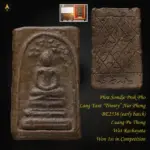
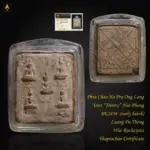
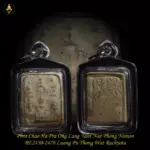
The Pim Yai designation indicates a larger presentation format, which gives collectors a clearer view of the main figure, surrounding frame, and reverse layout. From a collector perspective, this is helpful because larger-format powder pieces often reveal mould behaviour and material character more clearly. The front, back, and side views together allow the piece to be read as a complete object rather than as a flat image only.
Traditional Spiritual Attributes & Metaphysical Properties
In Thai amulet culture, a Phutta Kwak piece is often framed through เมตตา (metta, kind regard), โชคลาภ (chok lap, good fortune), and the idea of drawing in favourable opportunities. These are traditional devotional attributions rather than guarantees. Devotees often understand such pieces within a wider practice of merit, respectful conduct, and disciplined wearing, rather than as objects that act independently of personal behaviour.
- Metta is a common traditional reading, especially for amulets associated with welcome, response, and social ease.
- โชคลาภ (fortunate gain) is often linked by devotees to invitation-style forms such as Phutta Kwak.
- Collectors usually frame the spiritual reading within faith, merit, and proper conduct rather than fixed promises.
Rarity Assessment & Collector Significance
The collector significance of this piece comes from the combination of a less commonly discussed Phutta Kwak form, the Pim Yai presentation, the Nur Phong material, and the Luang Pu Thongdam attribution. Even where precise batch-year data is not available, pieces become meaningful when they sit within a recognisable monk-and-temple lineage and present clear study value through multiple angles. Collectors typically place value on how well the form, surface maturity, and attributed lineage support one another.
Conclusion
Phra Phutta Kwak Pim Yai in Nur Phong, as presented here under Luang Pu Thongdam of Wat Tha Thong, is best appreciated as a devotional collector piece where powder material, auspicious symbolic reading, and northern Thai lineage meet in one object. Its interest lies not only in appearance, but in the way form, material, and monk association come together within Thai amulet culture.
Front view for studying the main figure, frame balance, and the surface character of the powder body.
Back view, useful for reviewing reverse finish, compression, and consistency of ageing.
Side profile, often examined by collectors for thickness, layering, and natural edge behaviour.
Attributes reflect Thai Buddhist devotional tradition and are not measurable claims.