History of Wat Prasat Bunyawat
Explore the History of Wat Prasat Bunyawat — a sacred Thai temple restored through collective merit, 200+ monks & legendary 1963 blessing ceremonies.
History of Wat Prasat Bunyawat — Origins and Spiritual Significance
The History of Wat Prasat Bunyawat is one of the most remarkable stories in modern Thai Buddhist tradition, drawing deep interest from collectors across Singapore, Malaysia, Hong Kong, and Greater China. This temple’s legacy is defined by its dramatic resurrection from ruin, a visionary monk’s inspired leadership, and one of the largest sacred blessing assemblies recorded in 20th-century Thai Buddhism. For collectors seeking authentic Thai amulets tied to a profound historical moment, Wat Prasat Bunyawat occupies a singular place in the pantheon of Thai amulet history.
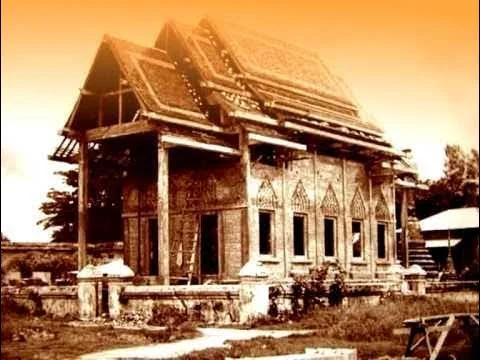
The temple suffered a devastating fire in Buddhist Era 2498 (1955 CE), leaving its sacred grounds in a state of disrepair. Its rebuilding was not merely a construction project — it was conceived as an act of collective merit-making and spiritual renewal for the entire Thai Buddhist community.
The catalyst for the temple’s revival came through an extraordinary source: a visionary dream experienced by Ajarn Thiem of Wat Chang Hai, who reported receiving guidance from the spirit of the revered Luang Pu Thuat. This divine inspiration set in motion an undertaking that would unite over 200 of Thailand’s most respected monks under a single sacred purpose.
Origins and Historical Context of the History of Wat Prasat Bunyawat
Understanding the History of Wat Prasat Bunyawat requires appreciating the broader landscape of mid-20th century Thai Buddhism, a period of intense religious fervour and monastic revival. The temple’s reconstruction was framed explicitly as an act of dana — generosity — and collective Buddhist merit, with amulets created as tangible witnesses to that sacred intention.
Ajarn Thiem of Wat Chang Hai — also the master architect behind the legendary Buddhist Era 2497 Luang Pu Thuat amulets — led the entire undertaking. His vision and authority were instrumental in assembling a roster of monks that had originally been planned to number an auspicious 108, but ultimately swelled to more than 200 participants.
This period in Thai Buddhist history is frequently compared in scale and ambition to the BE 2485 national blessing ceremony for the Somdej Ong Suksan amulets and the BE 2500 Walking Buddha millennium celebrations — placing Wat Prasat Bunyawat firmly within the most consequential chapter of Thai Buddhist tradition in the modern era.
Key Events and Sacred Significance in the History of Wat Prasat Bunyawat
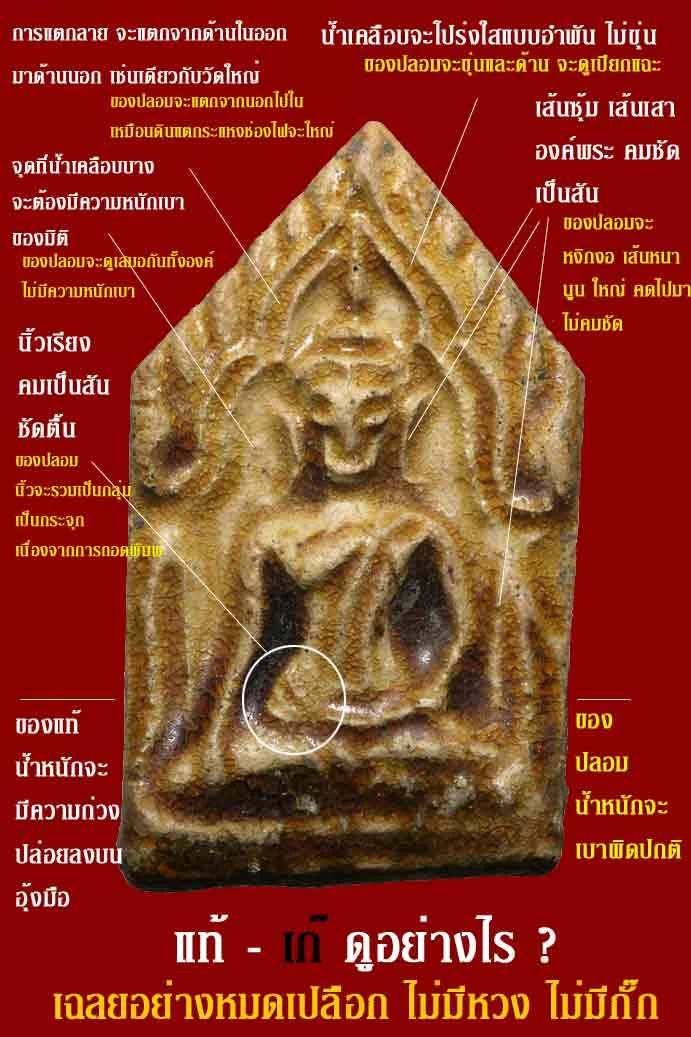
The History of Wat Prasat Bunyawat is inseparable from the creation of the BE 2506 (1963 CE) Somdej amulet series, which was produced through a painstaking hand-pressing process conducted by over 200 participating monks. Unlike machine-pressed amulets, each piece was pressed individually by hand while the presiding masters chanted sacred incantations, channelling their accumulated merit directly into each amulet at the moment of its formation. This laborious process continued for several months, with each monk contributing only a small number of pieces.
The sacred materials used in these amulets were drawn from an extraordinarily wide lineage of Thai Buddhist holy sites and historical traditions, including fragments of the revered BE 2497 Luang Pu Thuat amulets and sacred powders gathered from over 300 temples across Thailand. This material heritage places the BE 2506 Wat Prasat Bunyawat series among the most richly sourced amulet batches in recorded Thai amulet history.
Two landmark blessing ceremonies were held to consecrate the amulets. The first ceremony took place from 6–9 March BE 2506 (1963), lasting 72 continuous hours — three days and three nights of uninterrupted chanting by over 200 senior monks. Contemporary accounts describe unusual lights appearing around the temple grounds and attendees entering states of deep meditative absorption spontaneously. The second ceremony, held 13–16 November BE 2506 (1963), lasted 96 continuous hours — four days and four nights — coinciding with an auspicious Buddhist holy day, with an even greater number of masters in attendance. Together, these two sessions totalled 168 hours of continuous sacred chanting, a record that remains exceptional in modern Thai Buddhist ceremony.
The assembly of masters who participated in these ceremonies reads as a defining roll call of mid-20th century Thai Buddhist authority. Key figures included Luang Por Jong of Wat Na Tang Nok (protection and meditation), Luang Por Na of Wat Lakhon (multi-lineage Somdej guardian), Luang Por Koen of Wat Dong Yao Hong (famed for protective amulets), Luang Por Noi of Wat Tamma Sara (meditation master), Luang Por Peng of Wat Chang Ki (wicha — sacred magical arts), Luang Pu Thob of Wat Chong Dan (forest meditation tradition), Luang Pu Do of Wat Bai Rua Ching Bi (compassion and blessings), Luang Por Kee of Wat Ko Si Daram (aversion of danger), Luang Por Klaai of Wat Suan Kan (traditional wicha), Ajarn Nam of Wat Dong Sara (renowned lay teacher), Luang Por Thir of Wat Pharelai (deep meditative attainment), Luang Por Mui of Wat Dong Lai, Luang Por Daed of Wat Sam Ngam (Khmer-lineage protection), Luang Por Paen of Wat Pikun Thong (yantra and amulet tradition), Luang Pu Thaem of Wat Lahan Rai (Khun Paen lineage master), Luang Por Jun of Wat Yana Sen, Luang Por Saen of Wat Galaya, Luang Por Thong Su of Wat Sa Pan Song, and Luang Por Kap of Wat Long Pong. A further 180+ named and unnamed masters — including LP Perm, LP Doo, and LP Daeng — contributed equally to the collective merit of this historic event.
Impact on Thai Amulet Tradition and Collector Value
The History of Wat Prasat Bunyawat has left a lasting imprint on the landscape of Thai amulet collecting, particularly among serious collectors in Singapore, Malaysia, Taiwan, and Hong Kong. The BE 2506 Somdej series is recognised not simply as a historical artefact but as what connoisseurs describe as a “living conduit” — a direct material connection to one of the most spiritually charged moments in modern Thai Buddhism.
The traditional spiritual attributes associated with these amulets span the full spectrum of Thai Buddhist protective and auspicious qualities. These include Maha Saneh (loving-kindness and personal magnetism), Kong Krapan and Klaew Klaad (physical protection and evasion of harm), Maha Lap (prosperity and good fortune drawn from the merit of 300+ temples), Maha Amnaj (authority and personal presence), protection against malevolent forces through the sacred mineral content of the powders, and enhanced conditions for Buddhist practice through the four sacred site soils incorporated into the material. The presence of BE 2497 Luang Pu Thuat amulet fragments within the sacred powder is understood to extend Luang Pu Thuat’s protective influence directly into the BE 2506 series.
For broader historical context on how consecration ceremonies and sacred materials define value within this tradition, the Thai Buddhist amulet tradition as documented on Wikipedia provides a useful reference point. The BE 2506 Wat Prasat Bunyawat series is consistently cited alongside the most historically significant amulet batches of the 20th century, comparable in scope to the BE 2485 and BE 2500 national ceremonies.
History of Wat Prasat Bunyawat — Collector Guide for Singapore and Southeast Asia
For collectors in Singapore and across Southeast Asia seeking authentic Thai amulets from this series, provenance documentation and material verification are essential first steps. The BE 2506 Somdej from Wat Prasat Bunyawat is distinguished by its hand-pressed surface texture, the specific sacred powder composition drawn from 300+ temple sources, and the documented participation of a verifiable list of masters — all of which serve as authentication markers when assessed by experienced evaluators.
The Thai amulet Singapore collector market regards this series as a premium historical piece, valued both for its extraordinary consecration lineage and its role as a witness to the rebuilding of a sacred institution through collective Buddhist generosity. Collectors are advised to consult reputable dealers with documented expertise in mid-20th century Thai Buddhist amulets when seeking pieces from this landmark series.
Frequently asked questions
History of Wat Prasat Bunyawat is an important chapter in Thai Buddhist amulet tradition. This article explores its historical context, key figures, and lasting influence on the collector community.
Understanding the history behind Thai amulets deepens appreciation for their spiritual and cultural value. This knowledge helps collectors make more informed decisions.
Thai Amulets Collection offers an extensive knowledge base including monk biographies, temple guides, and historical articles. Visit our Learn section for more.