Legend of Si Hu Ha Ta
Discover the Legend of Si Hu Ha Ta — the ancient Thai-Khmer talisman of four tigers and five crocodiles, its sacred origins, and collector value in Singapore.
Legend of Si Hu Ha Ta — History and Significance
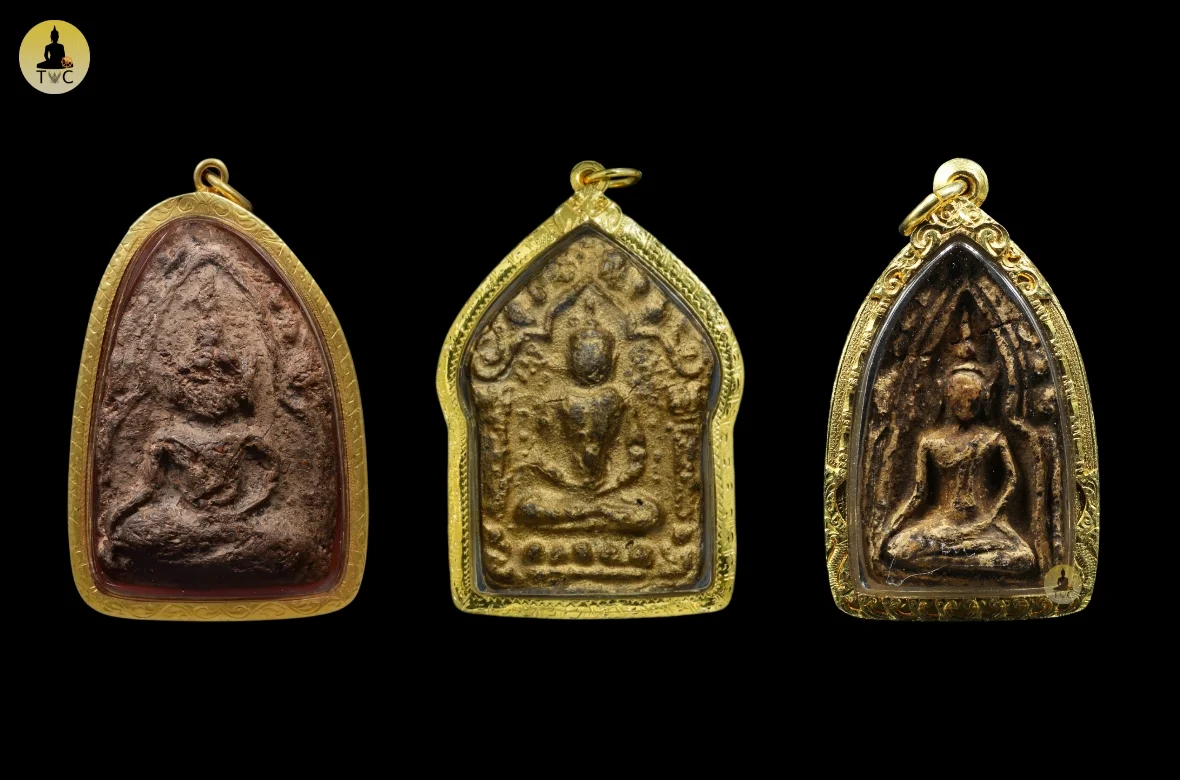
The Legend of Si Hu Ha Ta is one of the most compelling chapters in Thai amulet history, describing an ancient protective talisman rooted in the Thai-Khmer occult tradition that has captivated collectors in Singapore, Malaysia, and across Greater China for generations. This sacred yantra — depicting four tigers and five crocodiles — is revered as a supreme symbol of invulnerability, spiritual power, and animist protection. For collectors seeking an authentic Thai amulet with genuine historical depth, the Si Hu Ha Ta stands apart as a talisman of legendary status.
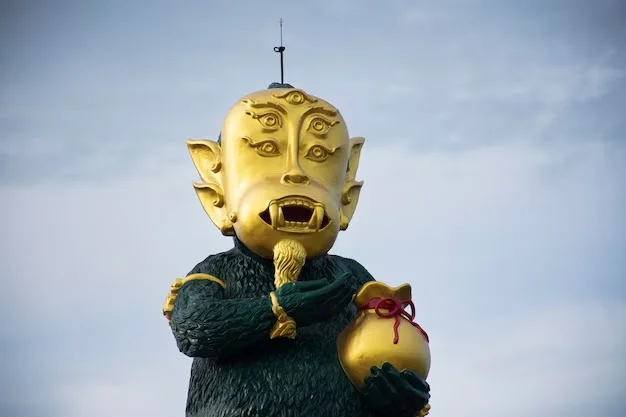
The name Si Hu Ha Ta (สี่หูห้าตา) translates literally as “Four Ears, Five Eyes,” a cryptic designation that refers esoterically to the four tigers and five crocodiles depicted in its yantra design. These animals are not chosen arbitrarily — each creature carries profound symbolic weight within the Thai-Khmer animist worldview, representing dominion over land and water, the forces most critical to survival in ancient Southeast Asia.
The talisman is inscribed with sacred Khom script — the ancient Cambodian-derived alphabet used in Thai Buddhist and Brahmanical ritual magic — which encodes powerful protective incantations directly into the yantra’s form. This fusion of animist imagery and scriptural power is the hallmark of the Thai-Khmer occult tradition from which the Si Hu Ha Ta legend emerges.
Origins and Historical Context of the Legend of Si Hu Ha Ta
The Legend of Si Hu Ha Ta originates from the overlapping cultural and spiritual world of ancient Thailand and the Khmer Empire, a civilisation whose influence on Thai Buddhist tradition in sacred geometry, yantra design, and ritual magic remains profound to this day. The Thai-Khmer occult tradition blended Theravada Buddhist practice with Brahmanical ritual and indigenous animist belief, producing a rich body of protective magic that survives in amulets and sacred textiles to this day.
The four tigers of the yantra are associated with terrestrial power, ferocity, and the protection of warriors — qualities prized by soldiers, rulers, and travellers in an era when physical danger was ever-present. The five crocodiles, meanwhile, represent mastery over waterways and the hidden dangers lurking beneath the surface of rivers and estuaries that were the lifeblood of ancient Indochinese civilisation.
This dual symbolism — land predator and water predator, visible threat and hidden threat — gave the Si Hu Ha Ta its reputation as an all-encompassing protective talisman. Those who carried or wore it were understood to be shielded against dangers from every direction, making it especially prized by warriors, merchants, and high-ranking officials. For those interested in learning more about the living tradition of sacred forest masters who continue this lineage, explore the biography of Kruba Bunyang Thitabunyo, the revered Forest Master of Wat Huai Nam Un, whose practice embodies many of these ancient protective traditions.
Sacred Yantra Design and the Key Significance of Si Hu Ha Ta
The traditional Si Hu Ha Ta yantra is executed on a rectangular field divided into sacred geometric compartments, with each of the four tigers placed at the cardinal corners and the five crocodiles arranged in a quincunx pattern at the centre and cardinal points. This precise placement is not decorative but functional — it encodes a cosmological map intended to anchor protective spiritual forces around the bearer.
The Khom script inscribed throughout the yantra contains katha — sacred syllables and incantations — that invoke the power of the depicted animals as spiritual guardians. These katha are traditionally transmitted from master to student within an unbroken lineage, and their correct inscription is considered as important as the physical materials used. An authentic Thai amulet of the Si Hu Ha Ta type must carry properly formed Khom script to be considered spiritually active.
The yantra has historically been rendered on a variety of sacred materials including sacred cloth (pha yant), copper sheets, lead alloy plaques, and later pressed amulet tablets. Each material carries its own ritual associations — cloth yantras are typically worn on the body or placed in homes, while metal versions are carried as amulets or enshrined. The choice of material reflects both the intended use and the ritual tradition of the master who consecrated it.
Impact on Thai Amulet Tradition and Collector Value
The Legend of Si Hu Ha Ta has shaped Thai amulet history by establishing the enduring archetype of the multi-creature protective yantra — a format replicated and adapted across centuries by masters working in the Thai-Khmer tradition. Its influence can be traced in the yantra designs of numerous regional schools, from the northern forest traditions of Chiang Rai to the southern border provinces where Thai and Malay occult traditions intersect.
For collectors, the Si Hu Ha Ta represents a category of talisman valued not primarily for the prestige of a single issuing monk but for the accumulated spiritual weight of an ancient transmission. Pieces associated with recognised lineage masters who have formally studied and consecrated this yantra command significant collector interest across Singapore, Taiwan, and Hong Kong. The Thai Buddhist amulet tradition as documented by scholars confirms that yantra-based talismans of this type represent some of the oldest surviving forms of sacred protective art in Southeast Asia.
The global resurgence of interest in animist-influenced Thai amulets among collectors in Singapore and Greater China has brought renewed scholarly and market attention to pieces like the Si Hu Ha Ta. Collectors who understand the historical depth of this talisman consistently rate it among the most significant categories in the broader field of Thai amulet collecting.
Legend of Si Hu Ha Ta — Collector Guide for Singapore and Southeast Asia
For collectors in Singapore and across Southeast Asia seeking an authentic Thai amulet of the Si Hu Ha Ta tradition, the most important factors to evaluate are the clarity and correctness of the Khom script, the authenticity of the material substrate, and the lineage of the consecrating master. Pieces that cannot be traced to a recognised teacher within the Thai-Khmer yantra tradition should be approached with caution, regardless of their visual appeal.
The Legend of Si Hu Ha Ta continues to attract serious collectors who value depth of tradition alongside spiritual efficacy. When acquiring such pieces, consulting established dealers with expertise in Thai amulet history — particularly those familiar with the Thai-Khmer occult tradition — is strongly advised. Provenance documentation and, where possible, lineage verification remain the gold standard for authenticating these sacred talismans in today’s collector market.
Frequently asked questions
Legend of Si Hu Ha Ta is an important chapter in Thai Buddhist amulet tradition. This article explores its historical context, key figures, and lasting influence on the collector community.
Understanding the history behind Thai amulets deepens appreciation for their spiritual and cultural value. This knowledge helps collectors make more informed decisions.
Thai Amulets Collection offers an extensive knowledge base including monk biographies, temple guides, and historical articles. Visit our Learn section for more.