Phra Somdej Kaiser Wat Arun Rtchawararam BE2529 History
Explore the Phra Somdej Kaiser Wat Arun Rtchawararam BE2529 History — 25 years of sacred materials, 99 monks & collector significance for Singapore enthusiasts.
Phra Somdej Kaiser Wat Arun Rtchawararam BE2529 History — History and Significance
The Phra Somdej Kaiser Wat Arun Rtchawararam BE2529 History stands as one of the most extraordinary chapters in modern Thai amulet history, representing a decades-long effort of sacred material collection, ritual consecration, and monastic collaboration. For collectors in Singapore, Malaysia, and across Greater China, this amulet series holds exceptional significance due to its unparalleled preparation process and the sheer authority of the monks who presided over its creation. Produced at Wat Arun Ratchawararam in Bangkok, the Phra Somdej Kaiser series exists in four distinct Pims (mould types), each carrying the full weight of this remarkable consecration.
BE2529 corresponds to the year 1986 in the Gregorian calendar, placing this amulet firmly within Thailand’s modern era of Buddhist ritual production. The project was extraordinary in scale — spanning 25 years of material collection and three years of consecration ceremonies before the amulets were made available for rent by devotees and collectors.
The name “Kaiser” is attached to this Somdej series to distinguish it from other Wat Arun productions, and it has since become a highly recognised classification among serious collectors of authentic Thai amulets. Its combination of sacred geography, elite monastic participation, and rigorous ritual process makes it a benchmark piece within the broader Thai Buddhist amulet tradition.
Origins and Historical Context of Phra Somdej Kaiser Wat Arun Rtchawararam BE2529 History
The origins of the Phra Somdej Kaiser Wat Arun Rtchawararam BE2529 History trace back well before BE2529 itself, as the foundational work of gathering sacred materials began approximately 25 years prior to the amulets’ release. This long preparatory period reflects the deep seriousness with which Wat Arun Ratchawararam approached the creation of this series. No aspect of the production was rushed — every ingredient was sourced with ritual intention and authenticated provenance.
The consecration process was chaired by none other than Somdej Phra Yangsangvorn, the Supreme Patriarch of Thailand, lending the highest possible ecclesiastical authority to the ceremonies. His involvement alone elevates the Phra Somdej Kaiser Wat Arun Rtchawararam BE2529 above most amulet productions of its era. The Supreme Patriarch presided over nine candle-lighting consecration ceremonies, a number considered highly auspicious in Thai Buddhist tradition.
Alongside the Supreme Patriarch, a total of 99 senior Buddhist monks participated in the consecration — a figure chosen deliberately for its spiritual significance in Thai numerology and Buddhist ceremony. The combination of the Supreme Patriarch’s leadership and the collective meditative power of 99 masters places this series in rare company within Thai amulet history. Collectors seeking Thai amulet Singapore sourced pieces from this era often cite the BE2529 Kaiser as a cornerstone acquisition.
Sacred Materials and Consecration of Phra Somdej Kaiser Wat Arun Rtchawararam BE2529
The sacred composition of the Phra Somdej Kaiser Wat Arun Rtchawararam BE2529 History is defined by its use of more than 200 kinds of sacred soil and materials sourced from religious sites in Thailand and overseas. The ingredient list includes soil from all four of the most sacred sites in Theravada Buddhism: Lumbini (the birthplace of Lord Buddha), Bodh Gaya (the site of His enlightenment), Sarnath (where He delivered His First Sermon), and Kushinagar (the site of His Parinibbana). The inclusion of soil from all four pilgrimage sites in a single amulet batch is extraordinarily rare.
The powder base also incorporates some of the most revered Somdej powders in Thai amulet history. These include old Somdej powder from Wat Rakhang, Wat In, and Wat Mai — three temples historically linked to the Somdej tradition — as well as the powder of broken Somdej 09 and powder from Wat Paknam Phra Kongkwan Roon 1, 4, and 6. Ashes and relics from various famous masters were also incorporated into the mixture, forming a composition of extraordinary spiritual density.
The full list of presiding monks at the consecration ceremonies represents an extraordinary gathering of Thailand’s most revered masters of that generation. These included Luang Phor Koon of Wat Banrai, Luang Phor Yeam of Wat Sam Ngam, Luang Phor Pern of Wat Bang Phra, Luang Phor Mee of Wat Muvinchai, Luang Phor Jarun of Wat Amphawan, Luang Phor Pae of Wat Pikulthong, Luang Phor Liew of Wat Rai Thang Thong, Luang Phor Put of Wat Klang Bang Phra, Luang Phor Cham of Wat Don Yai Hom, and the highly revered Luang Phor Kassem. Each of these masters brought their own lineage, meditative attainment, and spiritual authority to the ceremonies.
Impact on Thai Amulet Tradition and Collector Value
The Phra Somdej Kaiser Wat Arun Rtchawararam BE2529 History has had a lasting impact on how collectors and scholars understand the potential scope of a Somdej amulet production. Its 25-year preparation period, 3-year consecration process, and the involvement of over 99 monks chaired by the Supreme Patriarch set a standard that few productions have matched. This series is widely regarded as one of the most elaborately prepared amulets of the modern era.
Within the collector community across Singapore, Malaysia, Hong Kong, Taiwan, and mainland China, the Kaiser series is respected both for its spiritual depth and its documentary completeness. The four Pims (mould variations) provide collectors with different forms of the same sacred core, allowing for varied collecting approaches. The provenance of its sacred ingredients — including the four Buddhist holy lands and powders from Wat Rakhang — gives it strong cross-cultural spiritual appeal.
From a market perspective, authentic Thai amulets from this series are valued not only for their sacred material composition but also for the verifiable historical record surrounding their creation. The involvement of named masters whose biographies, temples, and lineages are well documented provides an unusually high level of authenticity assurance, which is especially important for collectors in Singapore and the region seeking trustworthy acquisitions.
Phra Somdej Kaiser Wat Arun Rtchawararam BE2529 History — Collector Guide for Singapore and Southeast Asia
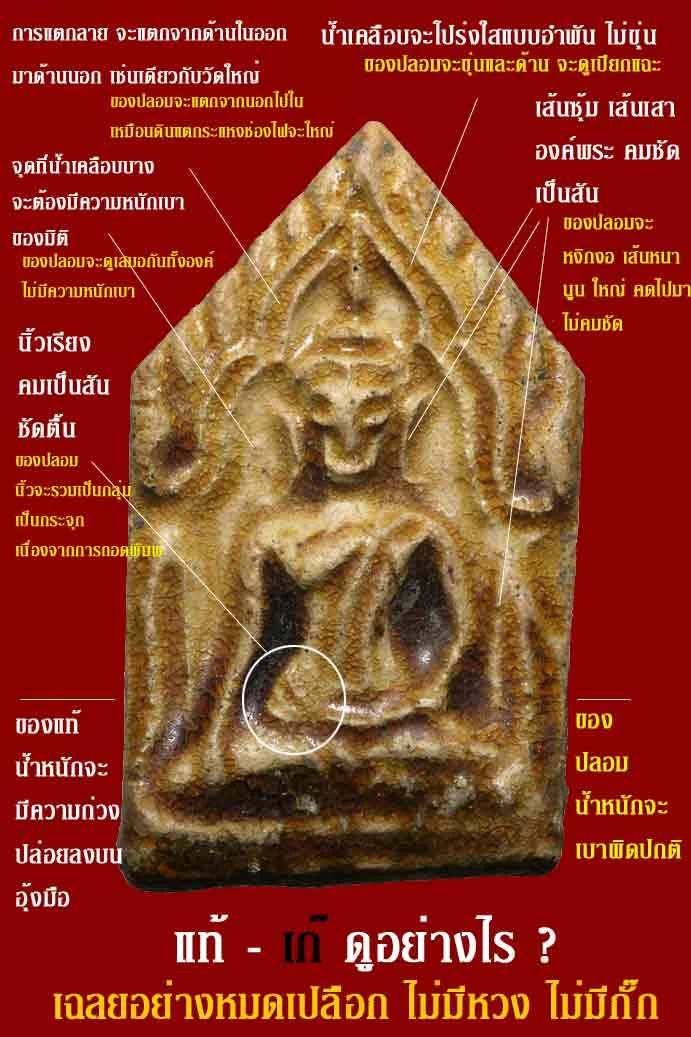
For collectors based in Singapore and across Southeast Asia, understanding the Phra Somdej Kaiser Wat Arun Rtchawararam BE2529 History is essential before acquiring any piece from this series. The four Pim variations should be carefully studied and compared against documented reference images. Given the prestige of this series, collectors should always seek pieces with clear provenance and, where possible, certification from recognised Thai amulet societies or experienced dealers.
As a Thai amulet Singapore trusted resource, thaiamuletscollection.com recommends that buyers familiarise themselves with the sacred ingredient list, the presiding monk roster, and the Pim classifications before making a purchase. The combination of historical depth, elite consecration, and rare sacred materials makes this series a meaningful addition to any serious collection rooted in Thai Buddhist tradition.
Frequently asked questions
The Phra Somdej Kaiser Wat Arun Rtchawararam BE2529 History is historically significant for several compounding reasons. The project required 25 years to collect more than 200 types of sacred materials from both Thai and overseas religious sites, including soil from all four of Lord Buddha's most sacred locations in India. The consecration was chaired by Somdej Phra Yangsangvorn, the Supreme Patriarch of Thailand, across nine candle-lighting ceremonies. A total of 99 senior Buddhist monks — including legendary figures such as Luang Phor Koon, Luang Phor Pern, and Luang Phor Pae — participated over a three-year ritual process. This combination of time, sacred geography, supreme ecclesiastical authority, and monastic breadth is unmatched in modern Somdej amulet history.
Authenticating an authentic Thai amulet from the Phra Somdej Kaiser Wat Arun Rtchawararam BE2529 series begins with studying the four known Pim (mould) types and comparing physical details against verified reference specimens. The powder composition — which includes old Somdej powders from Wat Rakhang, Wat In, Wat Mai, Wat Paknam Phra Kongkwan Roon 1, 4, and 6, as well as soil from the four Buddhist holy lands — produces a distinctive material texture that experienced collectors can assess. Consulting recognised Thai amulet experts or societies, and sourcing from reputable dealers such as thaiamuletscollection.com, significantly reduces the risk of acquiring non-authentic pieces. For Thai amulet Singapore collectors, provenance documentation and alignment with the historical record of this series are the strongest authentication tools available.
The spiritual importance of the Phra Somdej Kaiser Wat Arun Rtchawararam BE2529 History is rooted in its extraordinary sacred material composition and the collective meditative power channelled by 99 masters during three years of consecration. In Thai Buddhist tradition, a Somdej amulet is associated with protection, fortune, and the blessings of the Dhamma — and the Kaiser series amplifies these attributes through its inclusion of earth from Lumbini, Bodh Gaya, Sarnath, and Kushinagar, the four holiest sites in Theravada Buddhism. The ashes and relics of famous masters further imbue the amulet with the accumulated merit and wisdom of revered teachers. Culturally, the involvement of the Supreme Patriarch and monks from across Thailand's major temple lineages makes this amulet a unifying symbol of the nation's Buddhist heritage. For devotees and collectors across Singapore, Malaysia, Hong Kong, Taiwan, and China, owning a piece from this series is considered both a spiritual privilege and a connection to one of the most significant moments in modern Thai amulet history.