Chapter 2 – The Beauty of Wanthong
Discover Chapter 2 - The Beauty of Wanthong — the timeless tale of love, loyalty, and longing that shaped Thai literary and spiritual tradition. Essential reading for Singapore collectors.
Chapter 2 – The Beauty of Wanthong — History and Significance
Chapter 2 – The Beauty of Wanthong is one of the most celebrated passages in the Thai epic Khun Chang Khun Phaen, a foundational work of Thai Buddhist tradition that continues to captivate collectors and scholars from Singapore to Greater China. This chapter introduces Wanthong — a figure of rare grace and inner virtue — whose story of love, duty, and heartbreak has inspired Thai art, ceremony, and sacred culture for centuries. For collectors of authentic Thai amulets and cultural artefacts across Southeast Asia, understanding this chapter offers deep insight into the emotional and spiritual world from which Thai sacred objects emerge.
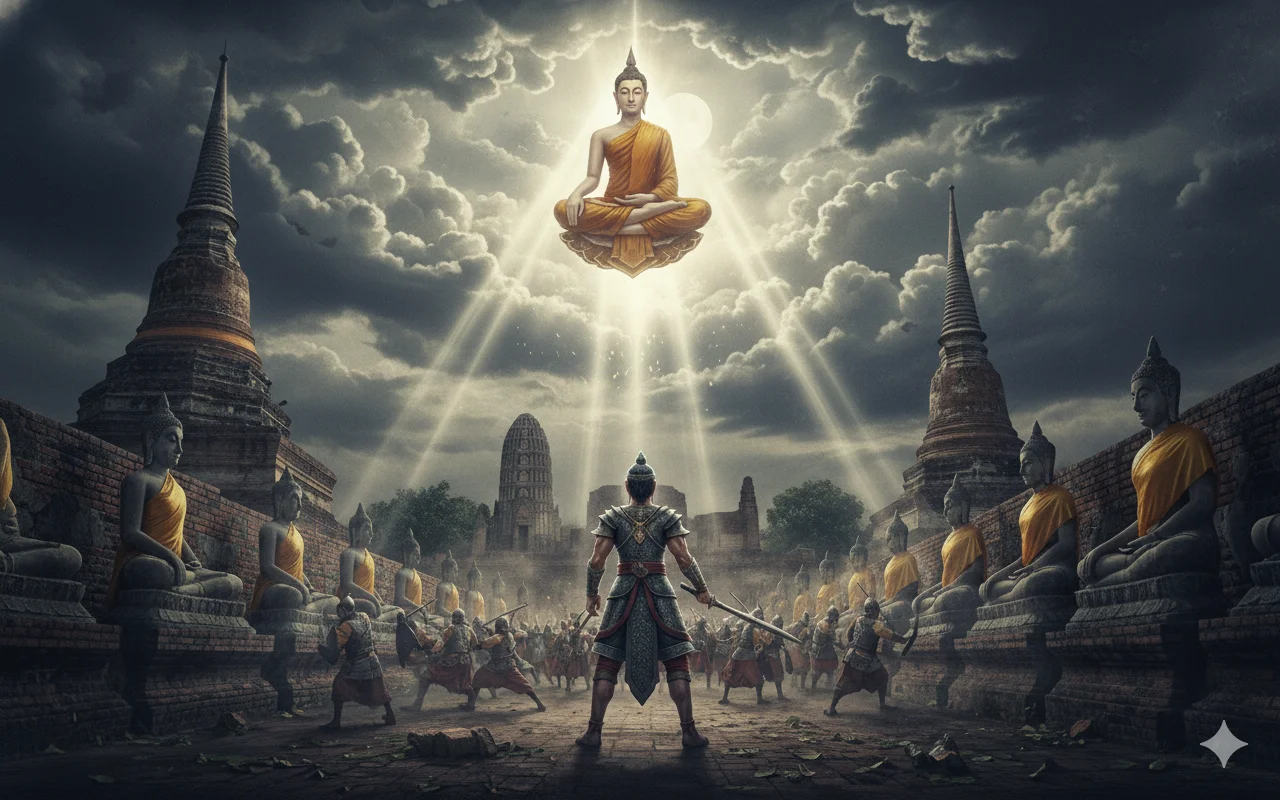
Set in the historic city of Suphanburi, the narrative unfolds as the children of the town grow into young adulthood, each shaped by the social forces of wealth, honour, and longing. Wanthong — daughter of a modest trader — is portrayed not as a figure of ornament, but as one whose beauty radiates from kindness and quiet dignity. Her story is inseparable from the broader landscape of Ayutthaya-era Thailand, where temple festivals, royal summons, and the weight of family duty governed every life.
The chapter’s enduring power lies in its unflinching portrayal of how love is tested by circumstance. It is not a tale of simple romance, but a meditation on the forces — wealth, war, obligation, and jealousy — that shape the fates of ordinary people within an extraordinary time.
Origins and Historical Context of Chapter 2 – The Beauty of Wanthong
Chapter 2 – The Beauty of Wanthong is drawn from Khun Chang Khun Phaen, a Thai verse novel believed to have originated in oral tradition during the Ayutthaya period, later codified and refined during the early Rattanakosin era. The story is set in Suphanburi, a prosperous provincial town whose temple fairs, river markets, and agricultural rhythms are rendered in vivid detail. The Ayutthaya kingdom, which reached its cultural and political zenith between the 14th and 18th centuries, provides the historical backdrop against which all three central characters — Wanthong, Khun Chang, and Phlai Ngam (later known as Khun Phaen) — come of age.
The social hierarchy of Ayutthaya-era Thailand is central to understanding this chapter. Khun Chang, heir to his father’s considerable fortune, embodies the power of mercantile wealth, while Phlai Ngam represents the path of military honour — a young man who earns the title Khun Phaen, meaning “Lord of Victory,” through bravery under the banner of the royal guard in Ayutthaya. Wanthong’s position — caught between the comfort offered by Khun Chang’s gold and the spiritual bond she shares with Khun Phaen — reflects the real constraints faced by women of modest birth in that era.
The Wat Pa Lelai temple tradition and provincial temple festivals described in this narrative are deeply embedded in the Thai Buddhist tradition of Suphanburi, where monks, merchants, and soldiers shared the same ceremonial spaces. These festivals — marked by candlelit offerings to ancestors and communal gathering — were not merely social occasions but sacred intersections of the human and the divine.
Key Events and Sacred Significance in Chapter 2 – The Beauty of Wanthong
The pivotal moment of Chapter 2 – The Beauty of Wanthong occurs at a new moon temple festival, when Phlai Ngam shields Wanthong’s ancestral candle from the wind — a gesture that sparks a quiet, secret love between them. This single act, tender and unspoken, carries profound spiritual weight within the Thai Buddhist tradition: the protection of an ancestral flame is an act of merit, and to share that act is to bind two souls together in the eyes of karma. Their love is born not from grand declaration, but from a moment of shared devotion.
Khun Chang’s courtship of Wanthong runs in parallel — marked by golden bracelets, silk scarves, and perfumes brought from the capital, all of which she refuses. Her mother’s gentle wisdom — “A heart cannot be bought” — echoes a recurring theme in Thai spiritual teaching: that material wealth, however abundant, cannot substitute for genuine virtue or true feeling. When Khun Chang’s gifts are rejected, his longing curdles into obsession and jealousy.
The chapter reaches its most poignant turning point when the king calls young men of skill to serve in Ayutthaya’s army. Phlai Ngam departs beneath a crimson dawn, vowing to return as a man of rank worthy of Wanthong. In his absence, Khun Chang courts Wanthong’s mother with gifts and flattery, easing her debts and gradually wearing down her resistance. Wanthong’s silence is ultimately taken as consent, and the announcement of her marriage to Khun Chang — sealed by drums and silk banners — marks one of the most sorrowful moments in all of Thai literary tradition.
Impact on Thai Amulet History and Collector Value
The story of Wanthong has left a lasting imprint on Thai amulet history, inspiring sacred objects, protective charms, and ceremonial art that reference the themes of love, loyalty, and karmic consequence central to Khun Chang Khun Phaen. Amulets created in the Suphanburi tradition — particularly those associated with protection in matters of the heart and fortune in times of conflict — often draw on the spiritual archetypes embodied by characters like Khun Phaen, a figure celebrated for both martial prowess and mastery of sacred knowledge. Collectors who understand this literary and spiritual heritage are better equipped to appreciate the deeper significance of such pieces.
The concept of karma, woven throughout Chapter 2 – The Beauty of Wanthong, is not merely literary — it is the philosophical foundation upon which much of Thai Buddhist sacred art is built. As Khun Phaen dreams of a weeping bride on the frontier and wakes with inexplicable grief, the narrative affirms that karmic bonds transcend physical distance. This worldview, rooted in the Thai Buddhist tradition, directly informs the spiritual function attributed to authentic Thai amulets: they are understood as tools for navigating the karmic currents of one’s life, not merely decorative objects.
For collectors in Singapore, Malaysia, Hong Kong, and Taiwan, the cultural resonance of this story adds a layer of meaning to amulets connected with the Suphanburi lineage or the archetype of Khun Phaen. Pieces associated with love protection, military valour, or karmic merit are among the most sought-after in the Thai amulet Singapore market, precisely because they draw on living traditions with roots as deep as this epic.
Chapter 2 – The Beauty of Wanthong — Collector Guide for Singapore and Southeast Asia
For collectors across Singapore and Southeast Asia, Chapter 2 – The Beauty of Wanthong offers more than literary pleasure — it provides essential context for understanding the human experiences that Thai sacred art seeks to address. Amulets inspired by the themes of this chapter — love tested by separation, honour earned through sacrifice, and the inescapable workings of karma — carry a spiritual vocabulary that serious collectors recognise and value. When sourcing an authentic Thai amulet connected to these themes, provenance, lineage, and the specific master or temple of creation remain the most important markers of authenticity and collectible worth.
Collectors are encouraged to engage with the full narrative context of Khun Chang Khun Phaen alongside their collecting practice. Understanding the story behind the archetype — whether it is the protective warrior energy of Khun Phaen or the bittersweet devotion symbolised by Wanthong — transforms the collector’s relationship with each piece from acquisition into genuine connection.
Frequently asked questions
Chapter 2 – The Beauty of Wanthong is an important chapter in Thai Buddhist amulet tradition. This article explores its historical context, key figures, and lasting influence on the collector community.
Understanding the history behind Thai amulets deepens appreciation for their spiritual and cultural value. This knowledge helps collectors make more informed decisions.
Thai Amulets Collection offers an extensive knowledge base including monk biographies, temple guides, and historical articles. Visit our Learn section for more.