History of Wat Bang Krang Phra Khun Paen BE2490-2492 Series
Explore the History of Wat Bang Krang Phra Khun Paen BE2490-2492 Series — sacred origins, multi-master consecrations & collector value. Singapore's trusted Thai amulet source.
History of Wat Bang Krang Phra Khun Paen BE2490-2492 Series — History and Significance
The History of Wat Bang Krang Phra Khun Paen BE2490-2492 Series stands as one of the most carefully documented and spiritually significant chapters in Thai amulet history, drawing serious collectors across Singapore, Malaysia, Hong Kong, and Greater China to study its origins. Produced at Wat Ban Krang in Suphan Buri Province between B.E. 2490 and 2492 (1947–1949), this Samadhi-mold series was overseen by Phra Khru Aphat Silakhun and maintained under the watchful guidance of the revered Luang Por Mui of Wat Don Rai. Its multi-lineage consecration ceremonies, royal military distributions, and meticulous ritual production process have cemented its place as a post-war benchmark for authentic Thai amulet devotion in the Suphan Buri tradition.
Collectors who engage with this series are not simply acquiring an amulet — they are connecting with a precise historical moment in Thai Buddhist tradition, defined by the collaboration of seven to ten of the era’s most respected masters. The series is especially noted within Thai amulet history for its association with Thursday-born devotees, a distinction that has been passed down through Suphan Buri lineage teachings since the time of its creation.
From Singapore to Chiang Mai, the Wat Ban Krang Khun Paen remains a reference point in discussions of post-war Suphan Buri amulets, valued for its documented provenance, ritual precision, and the extraordinary number of revered monks involved in its blessing.
Origins and Historical Context of History of Wat Bang Krang Phra Khun Paen BE2490-2492 Series
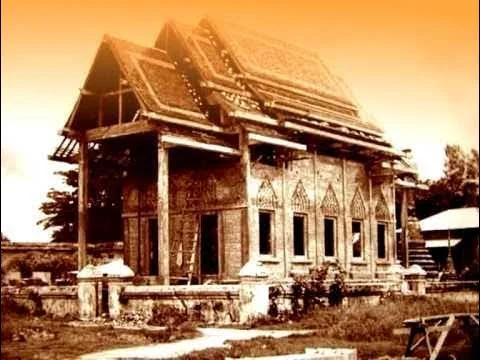
The History of Wat Bang Krang Phra Khun Paen BE2490-2492 Series begins with an act of sacred reclamation. Phra Khru Aphat Silakhun — also known as Phra Palat Thawi, the nephew of Luang Por Mui of Wat Don Rai — instructed his disciples to gather broken and damaged amulets from Wat Ban Krang and other ancient crypts across Suphan Buri Province, incorporating them as sacred admixtures into the new batch.
This approach of sourcing consecrated materials from old reliquary structures reflects a deeply rooted Thai Buddhist tradition of transferring accumulated spiritual merit from aged sacred objects into newly created ones. The decision to press the amulets at Wat Ban Krang itself, and to conduct all firings exclusively on Saturdays in accordance with ancient prescriptions, further signals the ritualistic rigour that defines this series.
Luang Por Mui of Wat Don Rai served as the central spiritual authority throughout the entire production cycle — from material gathering and pressing to the multi-year consecration process — making his involvement a defining feature of this series’ authenticity and collector appeal.
Key Events and Sacred Significance in the History of Wat Bang Krang Phra Khun Paen BE2490-2492 Series
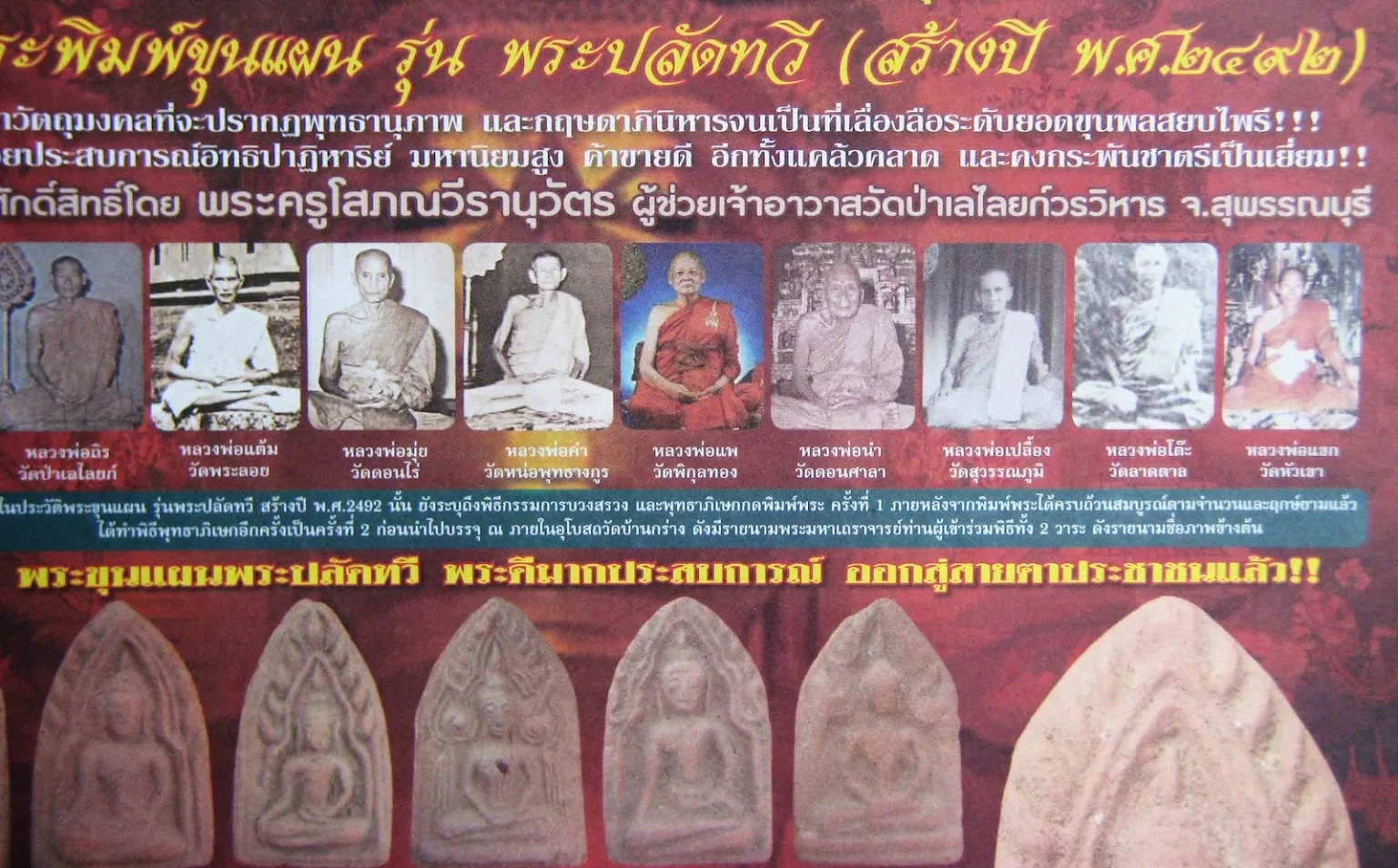
In B.E. 2491 (1948), the principal consecration ceremony was held at Wat Ban Krang with seven highly respected monks presiding: Luang Por Mui (Wat Don Rai), Luang Por Taem (Wat Phra Loi), Luang Por Toh (Wat Lat Tan), Luang Por Thir (Wat Pa Lelai), Luang Por Sai (Wat Ban Krang), Luang Por Kham (Wat No Phuttakun), and Luang Por Pliang (Wat Suwannaphum). This gathering represented a rare convergence of Suphan Buri’s most eminent masters of the era.
In B.E. 2492 (1949), a second and broader blessing ceremony was held before the batch was formally deposited inside the original chedi (pagoda) at Wat Ban Krang. This ceremony expanded the consecrating circle to ten masters, adding LP Nam (Ajahn Nam) of Wat Don Sala in Phatthalung, LP Pae of Wat Phikun Thong in Singburi, and LP Khaek of Wat Hua Khao, alongside those who had participated in the 1948 ceremony.
The amulets remained sealed within the chedi until B.E. 2511 (1968), when the pagoda was opened for distribution and devotees arrived in great numbers. Subsequent distributions document the series’ extraordinary reach: 4,000 pieces were requested by Field Marshal Thanom Kittikachorn for soldiers in the Vietnam War; Field Marshal Praphas Charusathien later requested 5,000 pieces for the Black Panther Division. Further recorded distributions include 10,060 pieces presented to His Majesty the King; 4,500 pieces distributed to soldiers at Chiraprawat Camp in Nakhon Sawan by Colonel Amnuay Surachet; 1,500 pieces to the Kamphaeng Saen Operations Battalion in Nakhon Pathom; 8,900 pieces to border soldiers at Aranyaprathet in 1980; and 10,000 pieces released to the public for merit-making in 1981.
Impact on Thai Amulet Tradition and Collector Value
The History of Wat Bang Krang Phra Khun Paen BE2490-2492 Series holds a defining place in the broader landscape of Thai amulet history precisely because of its documented military and royal associations. Few post-war amulet series can claim distributions sanctioned at the level of Thai field marshals and presented directly to the Thai royal household — a level of institutional recognition that speaks directly to authenticity and prestige.
For collectors in Singapore and Southeast Asia, these documented distribution records serve as an important authentication framework. Multiple Samadhi mold variants exist within the series, but all share the same verified sourcing of sacred materials, Saturday-only firing schedule, and multi-lineage consecration, making cross-verification of genuine pieces more accessible than with many comparable series.
The series also reflects the broader Thai Buddhist amulet tradition of combining sacred material lineage with rigorous ritual timing and the collective spiritual authority of multiple masters — a standard that continues to define what collectors and devotees regard as an authentic Thai amulet worthy of veneration.
History of Wat Bang Krang Phra Khun Paen BE2490-2492 Series — Collector Guide for Singapore and Southeast Asia
For collectors in Singapore, Malaysia, Taiwan, and Hong Kong seeking to understand or acquire pieces from the History of Wat Bang Krang Phra Khun Paen BE2490-2492 Series, the key authentication markers centre on mold type, material composition, and provenance documentation. The series comprises multiple Samadhi mold variants, all traceable to the same Wat Ban Krang production and consecration events of B.E. 2490–2492. Reputable dealers will be able to reference the distribution records and master participation lists as part of any serious authentication discussion.
Given the royal and military distributions associated with this series — and its status as a benchmark authentic Thai amulet of the Suphan Buri post-war tradition — market demand remains consistent among informed collectors across Southeast Asia and Greater China. Those new to this series are advised to study the documented monk lineages and mold types carefully before acquisition.
Frequently asked questions
History of Wat Bang Krang Phra Khun Paen BE2490-2492 Series is an important chapter in Thai Buddhist amulet tradition. This article explores its historical context, key figures, and lasting influence on the collector community.
Understanding the history behind Thai amulets deepens appreciation for their spiritual and cultural value. This knowledge helps collectors make more informed decisions.
Thai Amulets Collection offers an extensive knowledge base including monk biographies, temple guides, and historical articles. Visit our Learn section for more.