Chao Khun Sri Wat Suthat
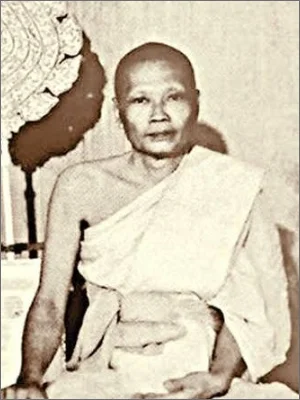
Chao Khun Sri (Phra Mongkol Rajchamuni) — Wat Suthat Thepwararam Saraburi-born ecclesiastical master • Bangkok royal monastery He was born on July 17, 1903 (B.E. 2446) in Saraburi, a boy from a quiet Buddhist household whose name is mostly lost in the records, remembered instead by his honorific — Chao Khun Sri. At thirteen he ... Read more ↓
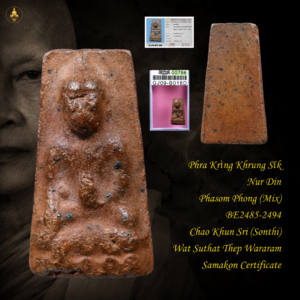
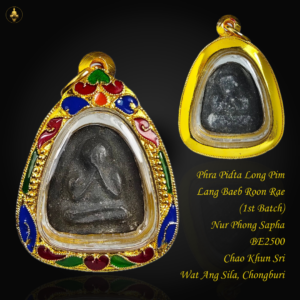
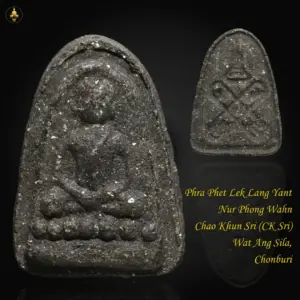
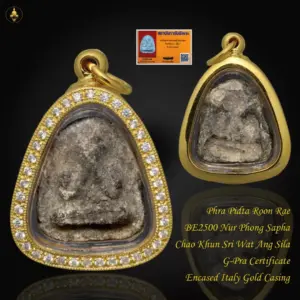
Amulets by Chao Khun Sri Wat Suthat 11 total · 11 available
Biography
Chao Khun Sri (Phra Mongkol Rajchamuni) — Wat Suthat Thepwararam
Saraburi-born ecclesiastical master • Bangkok royal monastery
He was born on July 17, 1903 (B.E. 2446) in Saraburi, a boy from a quiet Buddhist household whose name is mostly lost in the records, remembered instead by his honorific — Chao Khun Sri. At thirteen he entered the robe at Wat Suthat Thepwararam, one of Bangkok’s royal temples, where the city’s great bells and bigger questions shape a young monk’s days. He learned Pali and Dhamma, bowed to the Vinaya, and studied meditation with elders who measured speech carefully and conduct even more so.
In B.E. 2466 (1923) he received upasampadā (full ordination) at Wat Suthat. The preceptor was the Supreme Patriarch, Somdej Phra Sangharaja Pae, a detail that tells you the level of trust placed on the young monk. He continued under senior teachers — Luang Por Phueng of Wat Suthat and Luang Por Nak of Wat Arun — shaping a discipline that kept scholarship and meditation in the same breath. Those who served with him remembered the balance: the way he could move from ritual precision to quiet teaching without changing tone.
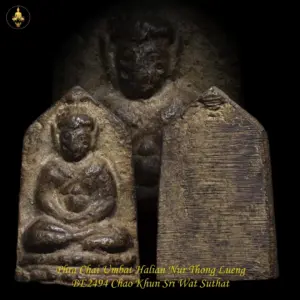
The years of hardship around the war brought practical demands to the monastery. He answered them with the temple’s old grammar of merit: teaching vipassanā, leading chants, and creating sacred objects to support restoration. Among the best-known were the Phra Kring Chaiwat (B.E. 2485–2486) and the Phra Kring “Ruesi Face” (B.E. 2486), followed by Phra Chaiwat and Phra Sangkajai issues in multiple sizes. These were not made as trinkets but as pledges — funds for halls, hope for people, and a reminder that faith travels best when it takes a form people can hold.
Though not the abbot of Wat Suthat, he carried the weight of one: guiding younger monks, keeping the ritual line unbroken, and acting as a bridge between doctrine and the city’s needs. His ecclesiastical rank — Phra Mongkol Rajchamuni — acknowledged what everyone could already see: a monk whose authority came as much from conduct as from title.
On January 16, 1952 (B.E. 2495), at just 49, he passed away. The records close quickly there, but the tone of remembrance remains steady. Devotees still speak of the clarity of his chanting; collectors keep his Phra Kring like letters from an era; and Wat Suthat holds his memory in the way royal temples do — not in marble alone, but in the rhythm of evening prayers he helped keep.
Explore more from Thai Amulets Collection: browse all amulets, monk biographies, or discover katha sacred chants.
For broader context on Thai Buddhist traditions, see Thai amulets on Wikipedia.