Chao Khun Nor Wat Thepsirin
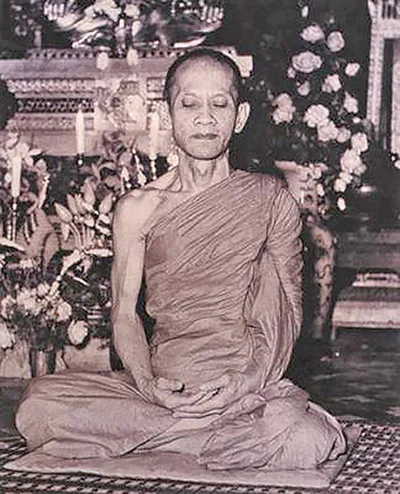
Chao Khun Nor (CK Nor) Wat Thepsirin, Bangkok • B.E. 2440–2514 (1897–1971) Born on Saturday, February 5, 1897 (B.E. 2440), the eldest of five siblings, Chao Khun Nor came of age in a period of reform and learning. He studied at the newly founded Official University of the Kingdom of Siam (later Chulalongkorn University) and ... Read more ↓
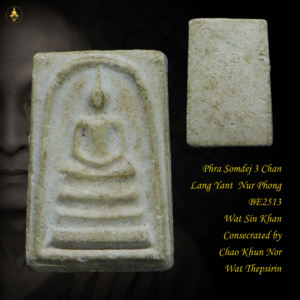
Amulets by Chao Khun Nor Wat Thepsirin 1 total · 1 available
Biography
Chao Khun Nor (CK Nor)
Wat Thepsirin, Bangkok • B.E. 2440–2514 (1897–1971)
Born on Saturday, February 5, 1897 (B.E. 2440), the eldest of five siblings, Chao Khun Nor came of age in a period of reform and learning. He studied at the newly founded Official University of the Kingdom of Siam (later Chulalongkorn University) and entered royal service under King Rama VI, serving closely in the court. When the King passed in B.E. 2468 (1925), Nor was profoundly affected and left the palace.
Though his parents wished him to marry, he asked instead to take the robe. On March 23, 1925—the day before the royal cremation—he was ordained at Wat Thepsirin as an act of merit for the late King. His preceptor was Somdet Phra Putta Koshacharn (Charoen), with Phra Putwiriyaaigon and Phra Udon Seelahkon guiding his Dhamma training. From that day he vowed to remain a monk for life, living with uncompromising simplicity: vegetarian, one meal a day, and unwavering daily chanting and meditation.
He became known for strict adherence to the 227 precepts. He declined to accept gifts, urging devotees to offer them to other monks for equal merit. When questioned by senior monks about complaints from laypeople, he explained that he ordained to dedicate merit to Rama VI and to protect his concentration—keeping worldly distractions at bay. His reasoning was accepted, and he was allowed to continue his austere practice.
His dwelling was bare—no electricity, only essentials—while he devoted himself to insight meditation. He avoided palm-reading and similar requests though some believed he possessed uncommon foresight. Stories circulated of blessings accomplished without his leaving the monastery: at major consecrations, incense would be lit and he would be invited in spirit to extend protection while he remained quietly in his kuti at Wat Thepsirin.
He personally did not create amulets, but often joined consecration rites. Pieces blessed in his presence developed a reputation for unusual potency. One tale speaks of a basin used to wash his feet before entering his room: during an outbreak of illness, water taken from that basin was given to the sick and, it was said, they recovered—an event that further deepened public reverence, though he himself denied having given “holy water.”
Chao Khun Nor passed away on January 8, B.E. 2514 (1971), aged 74. Those who remember him speak less of wonders than of discipline, restraint, and a quiet refusal to be distracted—a life deliberately shaped to keep the mind on the path.
周冠羅(Chao Khun Nor)生於佛曆2440年2月5日(1897),五名兄弟姊妹中之長子。青年時代值改革開化之期,他先後就讀於暹羅王國官立大學(後為朱拉隆功大學),旋入宮廷於拉瑪六世朝侍從。佛曆2468年(1925)六世王駕崩,周冠羅悲慟離宮。
父母曾勸其成家,他卻表明願出家。佛曆2468年3月23日(六世王荼毘前一日),於屈天神寺(Wat Thepsirin)披剃,作為回向六世王之功德。授戒和尚為崇德佛教禪師(Somdet Phra Putta Koshacharn, Charoen),拍菩提威里雅益貢與拍烏敦西拉功為其法師。自是發願長住僧團,素食、日一食,風雨無阻,晨昏課誦與禪修不缺。
其行誼以嚴守二百二十七戒著稱。對信眾供養多婉拒,勸請轉施他僧,同獲功德。曾有信眾不解而訴諸長上;長老詢之時,他坦言:出家為六世王回向,且須護持定心,不使世務擾亂。長老深以為然,令其依願清修。
其寮舍簡陋無電,僅備生活所需,餘皆用以修定觀。對看相占卜之請一概避之,然民間流傳其具預見力。又有傳聞:大法會時以香迎請,他不離寺院亦能遙護加持;此等事蹟,益增眾心敬仰。
一生未曾親自督造佛牌,然常參與加持。凡其座下所加持者,多被視為靈驗非常。相傳某地疫病流行,有人取其入寮前洗足盆之水濟人,病者竟起;消息傳開,求水者蜂擁,然他始終否認曾授聖水。事後旁寺僧解釋,所用之水乃洗足盆之水。無論事實如何,民間對其德行與定力更增信服。
佛曆2514年(1971)1月8日,周冠羅安詳示寂,享年七十四。後世所記憶者,與其說是奇蹟,不如說是節制、自守與專注——一生以戒定慧為軸,拒絕分心,行於正道。
Explore more from Thai Amulets Collection: browse all amulets, monk biographies, or discover katha sacred chants.
For broader context on Thai Buddhist traditions, see Thai amulets on Wikipedia.